Mocha Nails: Choosing Chocolate, Taupe and Coffee Tones
Separate depth, undertone and finish to choose a brown manicure, then record the shade and product system accurately.
Archive edition: 2026-08-02 · This is an editorial allocation, not the first-publication date.
Key takeaways
- Depth: shortlist light, medium or deep samples.
- Direction: compare warmer, redder or more muted options at similar depth.
- Finish: confirm cream, shimmer or another effect on a finished sample.
- Record: save the brand, range, shade, system and a clear photograph together.
In this guide
- Key takeaways
- Separate depth from undertone
- Understand where taupe changes the conversation
- Choose the finish independently
- Check the product format before saving the shade
- Compare the colour with your everyday surroundings
- Keep a first mocha manicure simple
- Make a repeatable mocha choice
- Turn your preference into a concise brief
- Common questions
- Sources and further reading
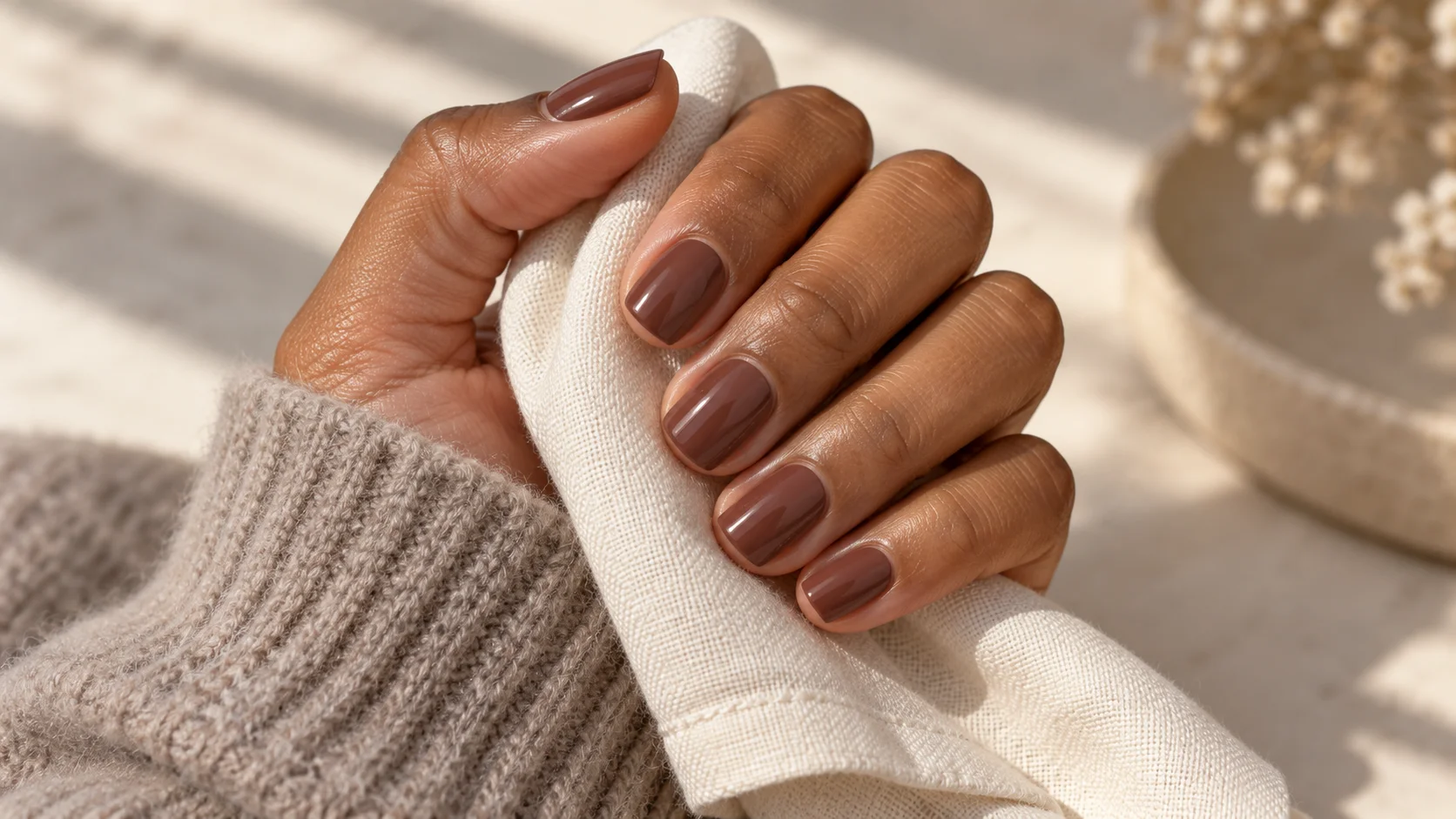
Mocha nails describe a brown colour direction rather than one fixed shade. One person may mean a soft milky coffee, another a richer chocolate brown, and another a muted taupe. The easiest way to choose is to separate three decisions: how light or dark you want the colour, which undertone you prefer, and what finish you want to see.
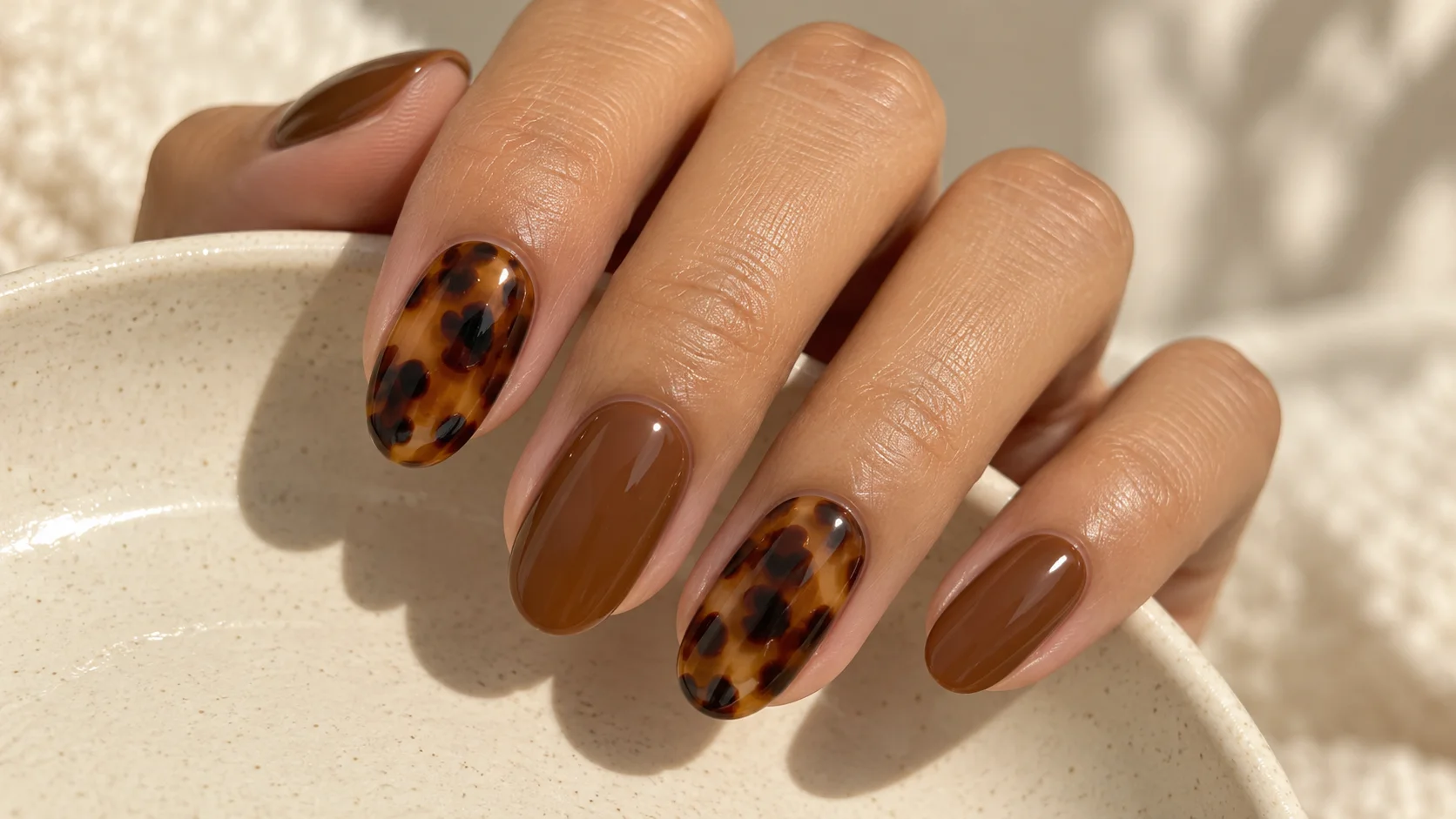
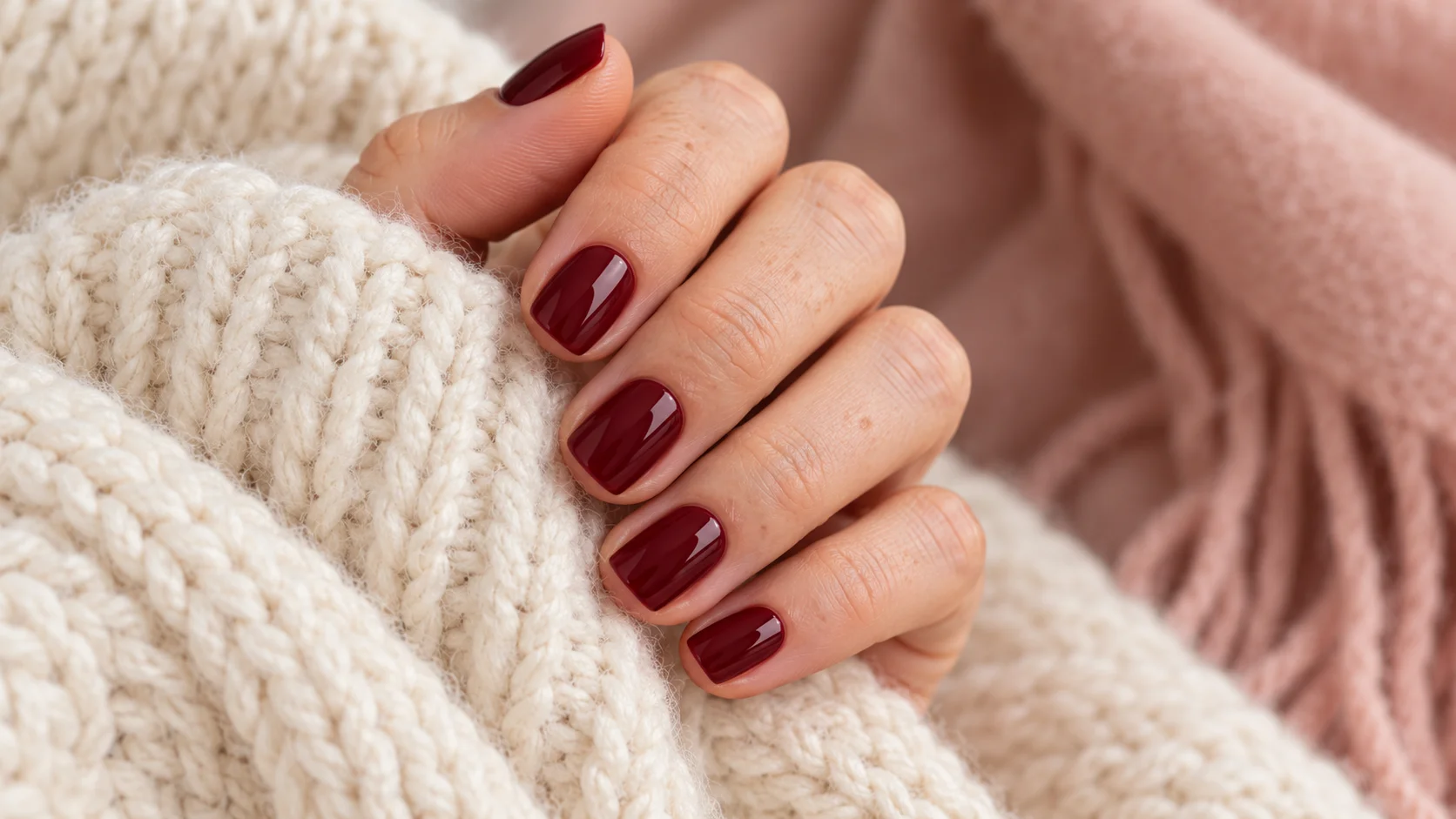
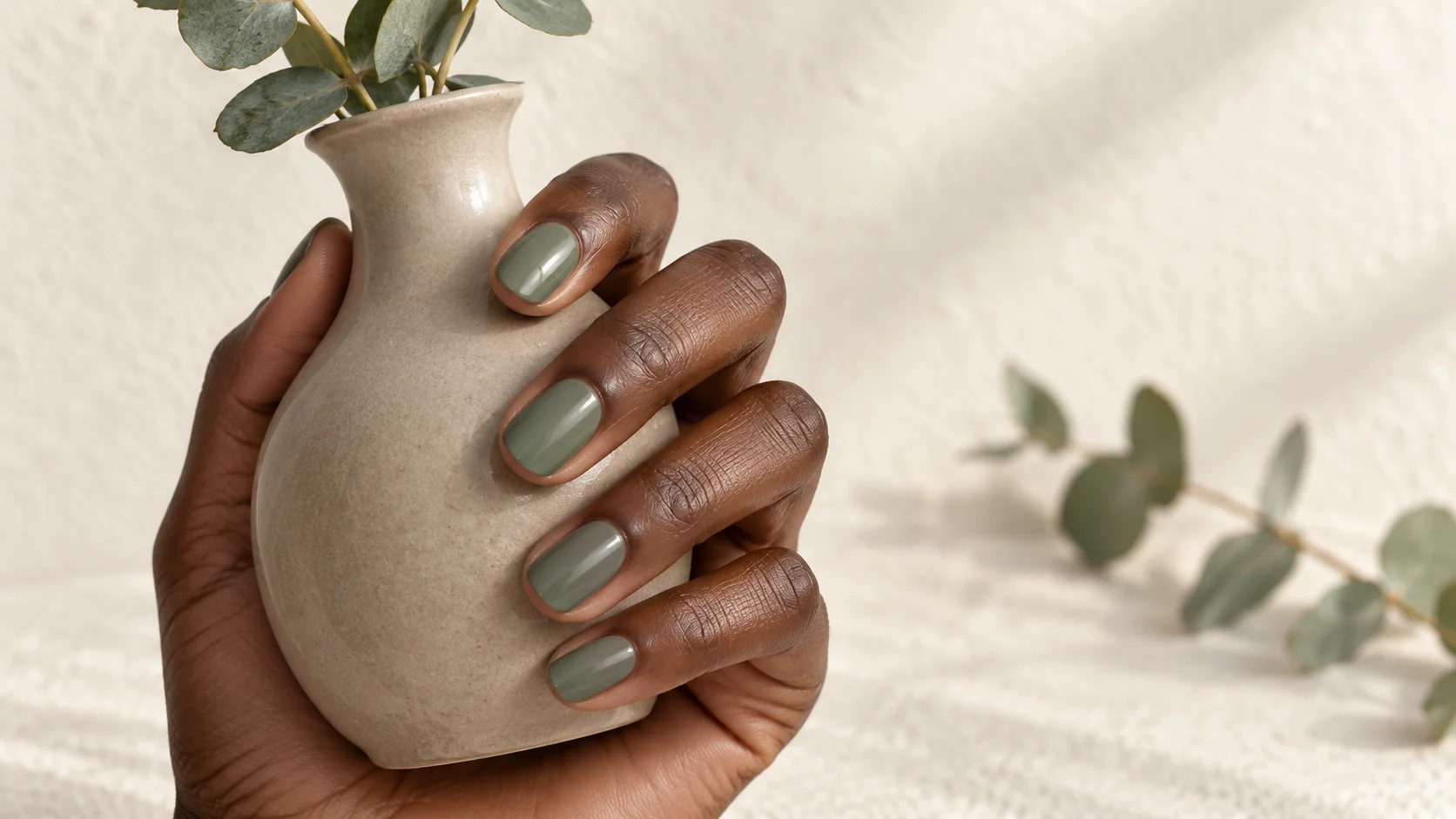
Start with a small shortlist rather than searching for a supposedly universal neutral. Compare actual samples beside your hand and the clothes you wear most often. The aim is a colour relationship you enjoy, not a rule assigning one brown to a particular skin tone. Our featured image is an illustration, not a verified product swatch.
Separate depth from undertone
Depth describes how light or dark the colour appears. A pale coffee colour leaves a different impression from an espresso-like brown, even if both lean in a similar warm direction. Choose a rough depth first. If every sample on your shortlist differs in both depth and undertone, deciding why you prefer one can become unnecessarily difficult.
Undertone describes the colour direction within that brown or neutral. You might notice a reddish quality, a golden cast or a greyer appearance. These observations are most useful in comparison. Place two samples beside one another, then describe the difference in your own words rather than trying to classify every polish into a strict seasonal palette.
For a real manufacturer example, Essie describes Fringes and Saddle as a dark chocolate brown cream with red and blue undertones. This gives more information than “brown” alone. It does not establish how the colour will look on you, and we have not independently tested the product or its wear claims.
Understand where taupe changes the conversation
Taupe usually enters this kind of shortlist when you want a more muted neutral direction rather than an obviously rich brown. The exact boundary is not standardised across shade names. Ask to see the colour instead of relying on whether a bottle is filed under brown, nude or grey.
The Essie UK Gourmet Grocery collection describes Shiitake Happens as a dusty grey-beige with subtle yellow and green undertones. That is a useful contrast to a chocolate description: two colours can both serve as quiet neutrals while containing quite different colour cues. Treat these descriptions as comparison language, not interchangeable swatches.
If one taupe looks too grey beside your hand, compare it with a slightly browner sample at a similar depth. If a coffee shade feels too orange to you, look for a more muted alternative before automatically going darker. Changing one characteristic at a time makes the decision easier to explain at a salon.
| Direction | What to compare | Useful request |
|---|---|---|
| Milky coffee | Lighter depth and the amount of warmth | Show me a light brown beside a similarly light beige |
| Medium mocha | Balanced depth with red, golden or muted colour cues | Compare two medium browns with different undertones |
| Chocolate | Richer depth and how dark it reads indoors | Show me the deep brown away from the display lamp |
| Taupe direction | Grey-beige qualities against a browner neutral | Keep the depth similar while changing the colour direction |
Choose the finish independently
A plain cream colour, shimmer and a more reflective finish can all start from a brown family, but they do not give the same result. If you want a continuous block of colour, say that explicitly. A photograph labelled “mocha” might show a magnetic effect or a reflective overlay that is doing as much visual work as the base colour.
Compare the final finish, including the top coat you intend to use. A glossy sample can show a strong light reflection that hides part of the colour in a photograph. Tilt it or view it from another position. If you are considering matte, ask to see that version rather than mentally removing the shine from a glossy reference.
Coverage matters too. A sheer brown and an opaque brown at a similar apparent depth can look different over the natural nail. Ask whether the sample represents the intended coverage and product system. Avoid choosing an application count from a picture; the appropriate directions depend on the product.
Check the product format before saving the shade
A shade name is only part of a repeatable record. For example, OPI’s On Point You Don’t Know Jacques! page describes a taupe cream colour in a press-on format. That page is not evidence of how a bottled lacquer performs, and the product type should remain attached to any note you make about it.
If you want a salon gel service, a bottle of air-drying polish or a set of press-ons, confirm that choice before comparing options. A similar name or photograph does not guarantee an identical appearance across formats. Ask the provider for a sample of the actual system they would use.
For a salon appointment, record the brand, range, shade and any extra finish. For press-ons, keep the exact product listing and your fit notes separately from the colour description. This helps distinguish a colour you liked from a shape or format you would change next time.
Compare the colour with your everyday surroundings
Hold a sample beside a frequently worn cuff, coat or bag. A taupe may echo a grey knit; a warmer coffee may make a different relationship with cream fabric. Neither needs to match exactly. Decide whether you want the nails to blend with the outfit or remain a visible brown accent.
Look in ordinary room light as well as clear indirect daylight when available. The purpose is to understand how the sample changes in settings you actually use. Avoid making the whole decision from a highly edited image or a phone screen with an unusually warm display setting.
If you are choosing for a particular event, bring a small fabric sample or an unfiltered photograph of the outfit. Explain whether the manicure should be quiet in photographs or clearly visible. This gives the technician a practical target without requiring a perfect match to a colour that may appear differently on screen.
Keep a first mocha manicure simple
A single colour across the set is a useful way to decide whether you like the brown itself. If you want an accent, choose one that answers a clear preference: a lighter neutral on one nail, a narrow brown French tip or a restrained pattern. Multiple new finishes can make it harder to identify what worked.
For a graduated brown set, compare all the samples together before choosing their order. Five individually appealing colours do not automatically form the sequence you imagined. Decide whether the sequence should move from light to dark or alternate between two related tones, then check that arrangement at normal hand distance.
Make a repeatable mocha choice
- Depth: shortlist light, medium or deep samples.
- Direction: compare warmer, redder or more muted options at similar depth.
- Finish: confirm cream, shimmer or another effect on a finished sample.
- Record: save the brand, range, shade, system and a clear photograph together.
Turn your preference into a concise brief
Try a description such as: “Short squoval nails, a medium coffee brown with a muted rather than orange appearance, opaque coverage and a plain glossy finish.” Let the technician show options that fit those priorities. The words provide direction; the sample provides the final decision.
After wearing the colour, note what you would repeat and what you would change. “A little lighter, with the same finish” is more actionable than “a different mocha.” Keep the successful details in your record so the next appointment starts from a useful reference instead of another broad search.
For the related design decisions, compare Tortoiseshell Nails: Colour, Placement and Salon Reference Ideas, Burgundy Nails: Finish and Shape Ideas for a Deep Red Manicure and Skittle Nails: Building a Five-Colour Palette That Feels Cohesive. For the practical details, use Choosing a Nude Nail Polish: Undertones, Coverage and Personal Preference.
Common questions
Is mocha a standard nail-polish colour?
No single shade is defined by the word mocha in this guide. Brands and clients may use it for different coffee-like browns. Specify the depth, colour direction and finish you mean, then choose from actual samples of the product system you intend to use.
How do mocha and taupe differ?
Mocha usually suggests a coffee-like brown direction, while taupe can indicate a more muted grey-brown or grey-beige neutral. The names are not precise enough to decide alone. Compare the actual colours at similar depth and describe the difference you see between them.
How can I tell whether a brown is too warm for my preference?
Place it beside a more muted sample at a similar depth and view both with your hand in ordinary light. If you dislike the golden or orange impression, describe that preference. It is a personal colour choice rather than a rule based on your skin tone.
Does going darker fix an undertone I dislike?
Not necessarily, because depth and undertone are separate choices. A deeper brown can still contain the colour quality you disliked in the lighter one. Try changing the colour direction while keeping the depth similar before deciding that every option needs to be darker.
Should I choose glossy or matte mocha nails?
Compare finished samples of both if possible. The surface finish changes how reflections and the colour appear, so a matte result should not be judged only from a glossy reference. Choose the appearance you prefer and confirm which finish the provider can create with their system.
Can the same shade name identify different product types?
A name may appear alongside different formats, so record the exact product range and service rather than the shade alone. The OPI example in this article is a press-on listing. It should not be treated as a tested bottled lacquer or a promise of identical results elsewhere.
How do I plan a five-tone brown manicure?
Place the full shortlist together and decide whether you want a light-to-dark sequence or a different repeated arrangement. Check the complete order at normal hand distance. Similar individual colours can look less evenly spaced in depth once they are viewed together as a set.
What is a useful mocha request at a salon?
Describe your preferred depth, the colour direction you want or want to avoid, the coverage and the finish. Add the nail shape and product system if already chosen. Then compare samples, allowing the actual colour to refine a broad phrase such as medium coffee brown.
Sources and further reading
- Essie — Fringes and Saddle — checked 2026-10-21
- Essie UK — Gourmet Grocery collection — checked 2026-10-21
- OPI — On Point You Don’t Know Jacques! — checked 2026-10-21