Butter Yellow Nail Ideas for Soft, Wearable Colour
Plan the shade, finish and amount of yellow, with restrained pairings and a simple sample-led approach.
Archive edition: 2026-05-20 · This is an editorial allocation, not the first-publication date.
Key takeaways
- Butter yellow is a useful colour description, not one standard shade.
- Choose the finish and the amount of yellow separately.
- A small accent lets you try the palette before committing to a full set.
- Compare a real sample beside your clothes; a screen cannot guarantee a colour match.
In this guide
- Key takeaways
- Decide what butter yellow means to you
- Keep colour, coverage and reflection separate
- Try three restrained colour pairings
- Use the nail shape you actually want to keep
- A three-step colour brief
- Make one useful sample before a full manicure
- Adjust the design when the result feels too strong
- Common questions
- Sources and further reading
Butter yellow offers a gentle way to bring colour into a manicure usually built around pink, beige or white. The name suggests something pale and creamy, but bottles carrying similar descriptions can look quite different. One may lean towards ivory, another towards lemon, and another may contain a reflective shimmer. Start by choosing the particular effect you want to see on your own hands, rather than treating the colour name as a complete design brief.
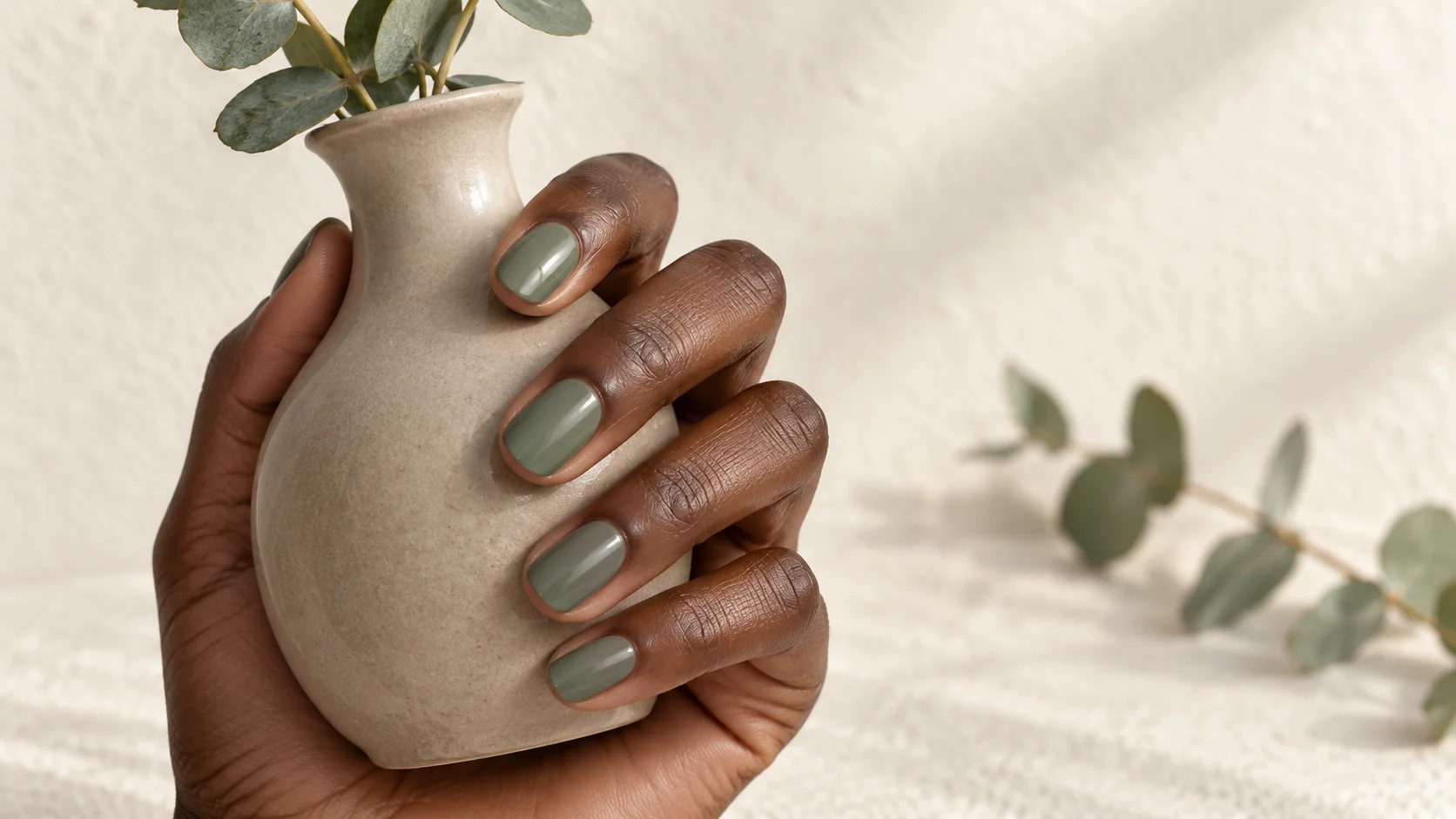
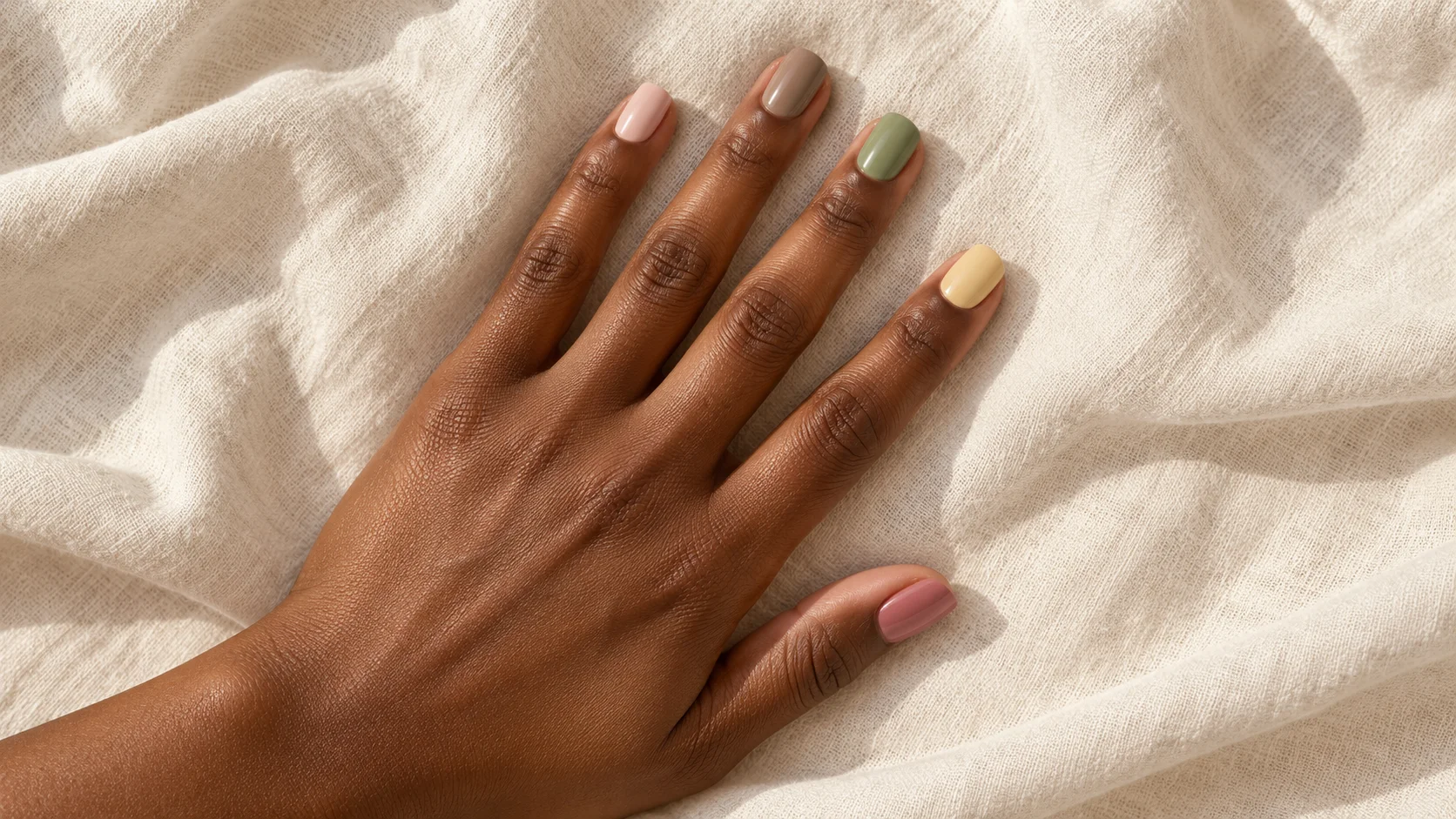
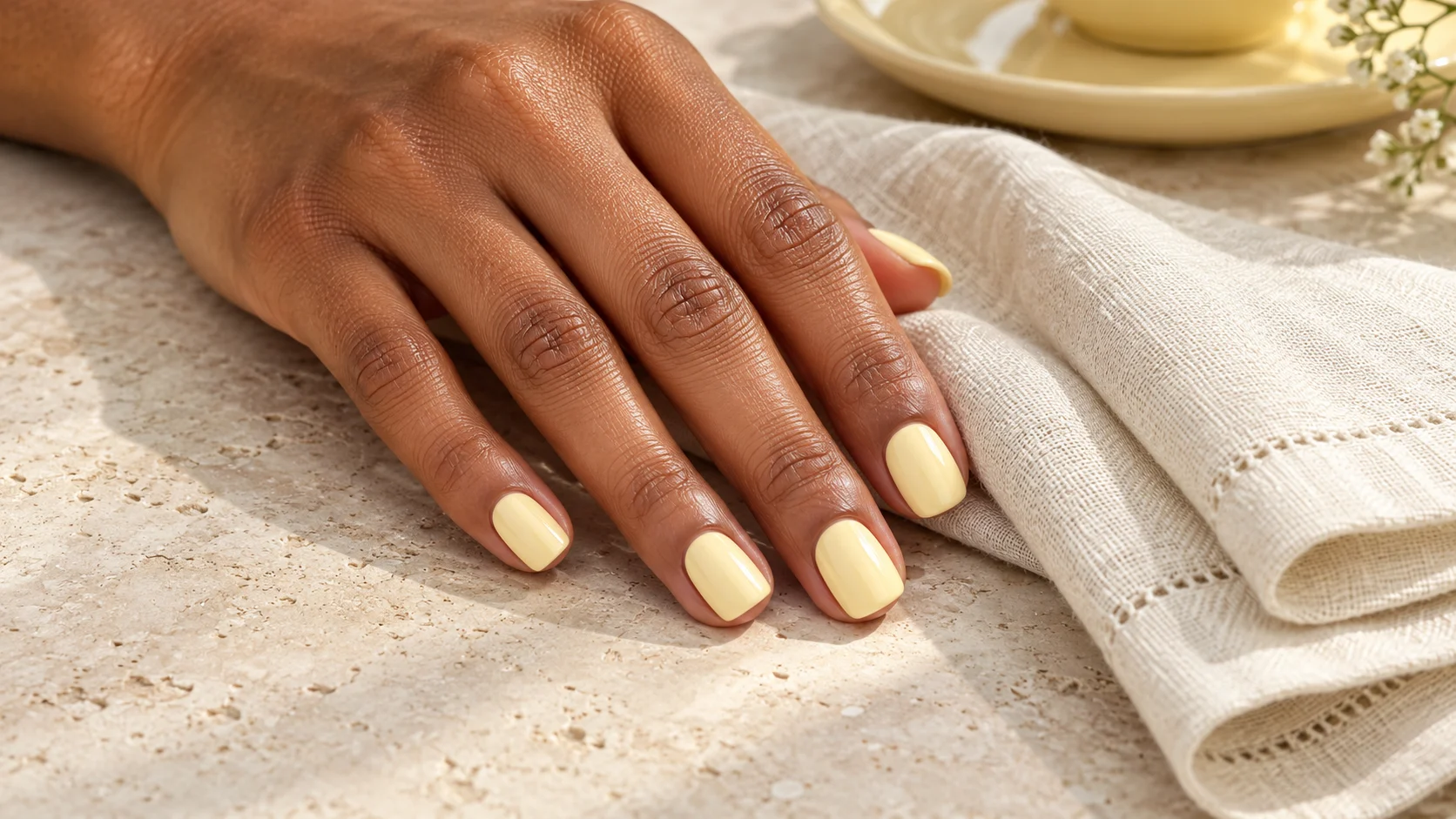
This edit explores full-colour nails, small accents and restrained combinations using ordinary nail polish. The design suggestions are editorial ideas, not results from a wear test. The featured image is an AI-generated illustration of a pale yellow manicure, so it should be used for composition and colour direction rather than as an exact product swatch. For more ways to adapt a reference, browse our nail art and trends edit.
Decide what butter yellow means to you
Write down three words before looking at bottles: for example, pale, creamy and opaque. That combination gives you a clearer starting point than simply asking for yellow. If you prefer a warmer result, add a reference with a little more golden colour. If you prefer something almost neutral, look for a yellow that sits closer to ivory. Neither is the correct interpretation; the useful question is which one matches the manicure you are imagining.
Manufacturer descriptions show why that distinction matters. Essie’s Gourmet Grocery collection describes Unsalted as a dusty pale yellow. OPI describes Buttafly as a soft yellow shimmer. These are examples of different colour and finish descriptions, not a ranking or a claim that the products look interchangeable. The OPI reference is a US product page; it does not establish UK stock or an identical regional formula.
Keep colour, coverage and reflection separate
A pale colour does not automatically mean a sheer polish. You might want the nail underneath to remain visible, or you might want an even block of creamy yellow. Say which result you prefer when discussing a salon sample. Similarly, a glossy surface and a shimmer effect are different choices: gloss gives a surface reflection, while a shimmer finish adds another visible element to the colour. Look at the sample as you turn it, not only from directly above.
For a quiet first experiment, choose one finish across the set. If you want an accent nail with more reflection, compare that accent beside the plain colour before painting everything. Two yellows that seem close in their bottles may separate visibly on the nail. A deliberate difference is often easier to explain and repeat than a near match that you hoped would disappear.
| Design | Where the colour sits | Decision to make first |
|---|---|---|
| Full creamy set | Across each nail | Whether you prefer an ivory-leaning or more obviously yellow sample |
| Fine yellow tips | Along the free edge | How much contrast you want against the base |
| One yellow accent | On a selected nail | Which neutral colour will sit beside it |
| Small yellow detail | A dot, curved corner or simple motif | Whether the detail is clear at ordinary viewing distance |
Try three restrained colour pairings
Yellow with ivory: choose this when you want a narrow palette and a soft overall impression. Make the difference between the two colours intentional. If the yellow is extremely pale, it may be more satisfying to use one colour across the whole set than alternate shades that are difficult to distinguish. Compare them next to one another before deciding how many nails should carry each colour.
Yellow with muted pink: use pink as the main colour and yellow as a small punctuation mark, or reverse the balance. A single yellow nail beside pink can be a simple starting point. You do not need to add flowers or another motif to make the combination feel complete. If you do want a painted detail, let the colour pairing do most of the work and keep the drawing uncomplicated.
Yellow with soft brown: a small brown line or dot can create a more graphic accent. Start with one mark on one sample rather than outlining every nail. This pairing is a design suggestion, not a rule about which skin tones can wear yellow. Your own preference, the contrast you enjoy and the clothes you want to wear are more useful guides than a universal flattering-colour promise.
Use the nail shape you actually want to keep
You do not need long almond nails to make this palette work. The shape is the frame around the colour, and a comfortable existing length gives you a useful place to start. A rounded tip produces a curved boundary; a squoval tip keeps a straighter front with softened corners. OPI’s shape guide describes squoval as a combination of square and oval. We use that terminology here without adopting claims that one shape flatters everyone.
When adapting a photograph of longer nails, reduce the number of decorative elements before changing your length. A yellow tip plus a flower plus a border may feel crowded on a smaller surface. Keeping just the tip or just the flower often preserves the part of the reference you liked. Ask yourself whether the attraction was the yellow itself, the pattern or the outline, then protect that one feature.
A three-step colour brief
- Choose the yellow. Compare pale ivory-yellow, creamy yellow and a warmer yellow direction.
- Choose its share. Decide between a full set, a few accents or a small painted detail.
- Choose the finish. Compare a plain colour with shimmer before adding any extra decoration.
Make one useful sample before a full manicure
For an ordinary-polish trial, use a practice tip and follow the directions for the products you have selected. Label it with the shade name and the number of colour coats so you can repeat the result. Use the intended base and finishing products where the manufacturer specifies them. A generic colour tutorial should not override the bottle’s application instructions, and this guide is not a gel-curing procedure.
Hold the finished sample beside a sleeve or accessory you often wear. Look near a window and in the indoor light where you spend most of your time. The purpose is not to find one perfect lighting condition; it is to see whether you enjoy the colour across your ordinary day. If you photograph the sample, keep the original image without a colour filter and remember that another person’s screen can still display it differently.
Adjust the design when the result feels too strong
If the yellow feels brighter than you expected, change the area it covers before buying a whole new palette. The same colour might be enjoyable as a small tip or one accent. If you like the amount of colour but dislike the reflection, compare a different finish rather than assuming the yellow itself is wrong. Keep a short note of what bothered you: too warm, too much coverage, too much sparkle or too much detail.
A useful salon brief could read: pale creamy yellow, short rounded-square shape, plain glossy colour, no extra art. Bring one reference for colour and another for shape if a single photograph does not show both clearly. Ask to see the proposed colour before the full set begins. That turns a broad trend name into a specific, repeatable choice while leaving room for the nail professional to explain what their available products can achieve.
For the related design decisions, compare Sage Green Nails: Colour Pairings for a Muted Manicure, Skittle Nails: Building a Five-Colour Palette That Feels Cohesive and Colour Block Nails: Simple Layouts for Two or Three Shades. For the practical details, use Building a Small Nail Polish Collection with Versatile Colours.
Common questions
Is butter yellow a specific nail polish shade?
No single standard shade is established by that name. Treat it as a starting description for a pale yellow direction, then compare actual samples. Ask whether you prefer an ivory-leaning colour, a warmer creamy yellow or a yellow with visible shimmer before choosing a bottle.
Can I wear butter yellow on short nails?
Yes, the colour does not require extra length. Start with the shape and length you want to maintain, then decide whether you prefer plain colour or a small accent. When adapting a long-nail reference, simplifying the pattern can preserve its main idea on a smaller surface.
What is a subtle way to try yellow polish?
Use the colour on one accent nail, a fine tip or a small painted detail before choosing a full set. Compare that small area beside your usual neutral. This lets you assess how much yellow you enjoy without needing several extra colours or a complicated pattern.
Does pale yellow polish always have a creamy finish?
No. A pale colour description does not settle the finish or the level of coverage. Some yellow products are described as shimmer, while others may give a plain colour effect. Check the specific product information and a finished sample instead of judging from the shade name alone.
Which colours can I pair with butter yellow?
Ivory, muted pink and soft brown are three possible starting points. Choose one partner and decide which colour should cover most of the manicure. These are design suggestions rather than skin-tone rules; the useful test is whether you enjoy the actual samples together in your usual lighting.
How many coats will I need for a yellow manicure?
Follow the directions for your selected polish rather than a fixed rule for yellow shades. Make a practice sample using the intended base and finishing products, and record the coat count. If the result differs from your aim, assess its coverage and finish before adding more layers.
Why does my yellow sample look different from a photograph?
Lighting, camera processing, the display and the products used can all make a reference an imperfect guide. Our illustration is not a product swatch either. Compare your physical sample near a window and under your normal indoor lighting, then choose the version you actually prefer in person.
What should I ask for at a salon?
Describe the yellow direction, nail shape, finish and placement separately. For example, ask for a pale creamy yellow on short rounded-square nails with a plain glossy finish. Bring a reference for the mood, then ask to see the proposed colour so the final choice does not depend on a photograph alone.
Sources and further reading
- Essie UK — Gourmet Grocery collection — checked 2026-10-21
- OPI — Buttafly Nail Lacquer — checked 2026-10-21
- OPI — How to find the best nail shape for your hands — checked 2026-10-21