BIAB on Short Nails: Shape, Finish and Realistic Expectations
Plan a short builder manicure around your existing length, the outline you prefer and upkeep you can realistically manage.
Archive edition: 2026-05-30 · This is an editorial allocation, not the first-publication date.
Key takeaways
- Length: decide whether to keep the natural free edge.
- Outline: choose a realistic shape for the available nail.
- Detail: adapt colour and spacing to a compact area.
- Upkeep: agree maintenance without growth guarantees.
In this guide
- Key takeaways
- Define what short means for your own hands
- Separate an overlay from added length
- Choose an outline that fits the available nail
- Use colour and spacing deliberately
- Keep expectations about growth realistic
- Ask about the profile as well as the length
- Length, outline, detail, upkeep
- Review the result by how it works for you
- Common questions
- Sources and further reading
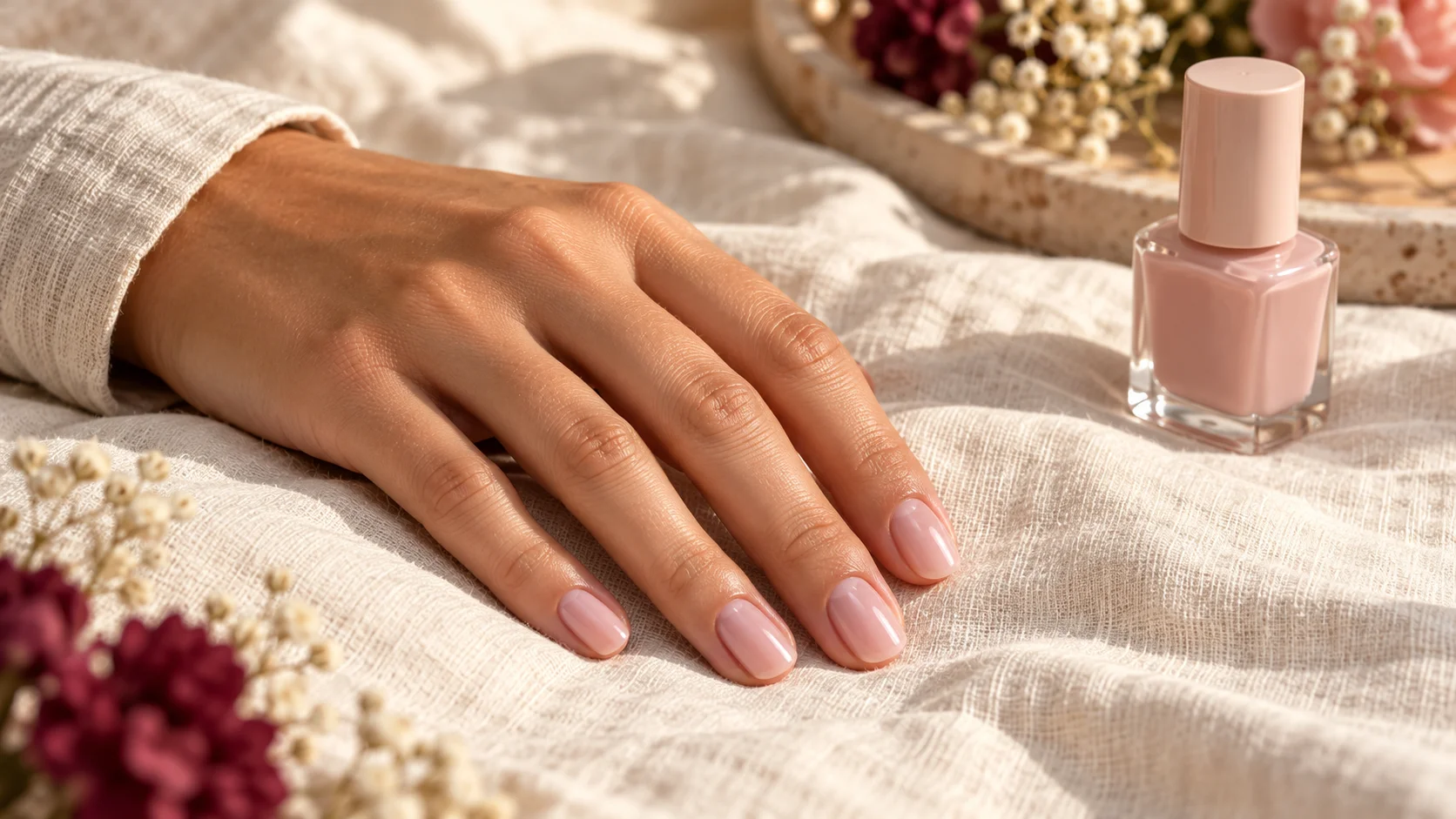
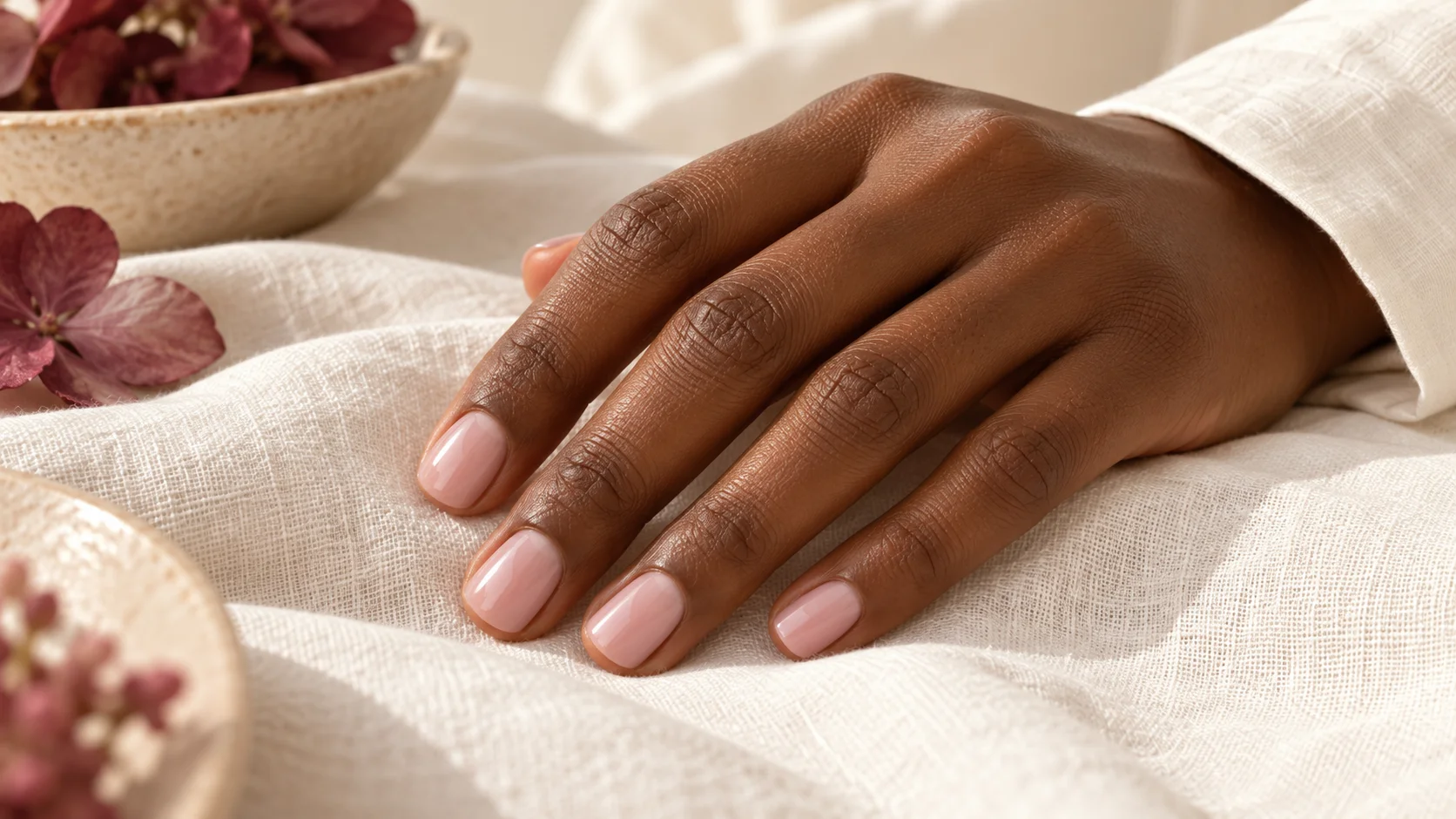
A short BIAB manicure can be a complete style choice rather than a waiting stage before longer nails. The useful starting point is your current length, the outline you prefer and the finish you want. A builder service may create cosmetic structure over that nail, but it does not make a particular growth outcome or a long extension automatic.
Bring a reference that resembles the length you intend to wear. Discuss the service with a provider who can assess the actual nails and explain the system. This guide helps organise that conversation without promising that every very short, bitten or damaged nail is suitable for the same treatment.
Define what short means for your own hands
Two people can use the word short for different free-edge lengths. Show the provider the endpoint you want and explain the tasks that matter to you. Typing, playing an instrument, managing buttons or wearing gloves can make a small difference in length feel significant.
Use an everyday reference as well as a photograph. You might say that you want the fingertips to feel easy to use during work, or that a particular corner currently catches on clothing. These observations help the provider discuss a manageable outline rather than guessing from a style label.
If your workplace or activity has explicit rules, confirm them before booking. A short appearance does not automatically satisfy a rule about coatings or enhancements. Bring the actual requirement so that the cosmetic choice fits the situation.
Separate an overlay from added length
The GelBottle describes overlay and extension uses for different BIAB products. An overlay works over your existing nail, while an extension adds length. Ask which service the salon is proposing instead of assuming the brand name answers that question.
If keeping your own length is the priority, say so. A provider may suggest adapting the design to the available space rather than adding length to copy a reference. Colour placement and small details can still create a deliberate finish on a compact nail.
If you do want a little added length, discuss that as a separate decision with its own product and maintenance implications. Do not let a request for a neat short manicure quietly turn into a different service without an explanation.
Choose an outline that fits the available nail
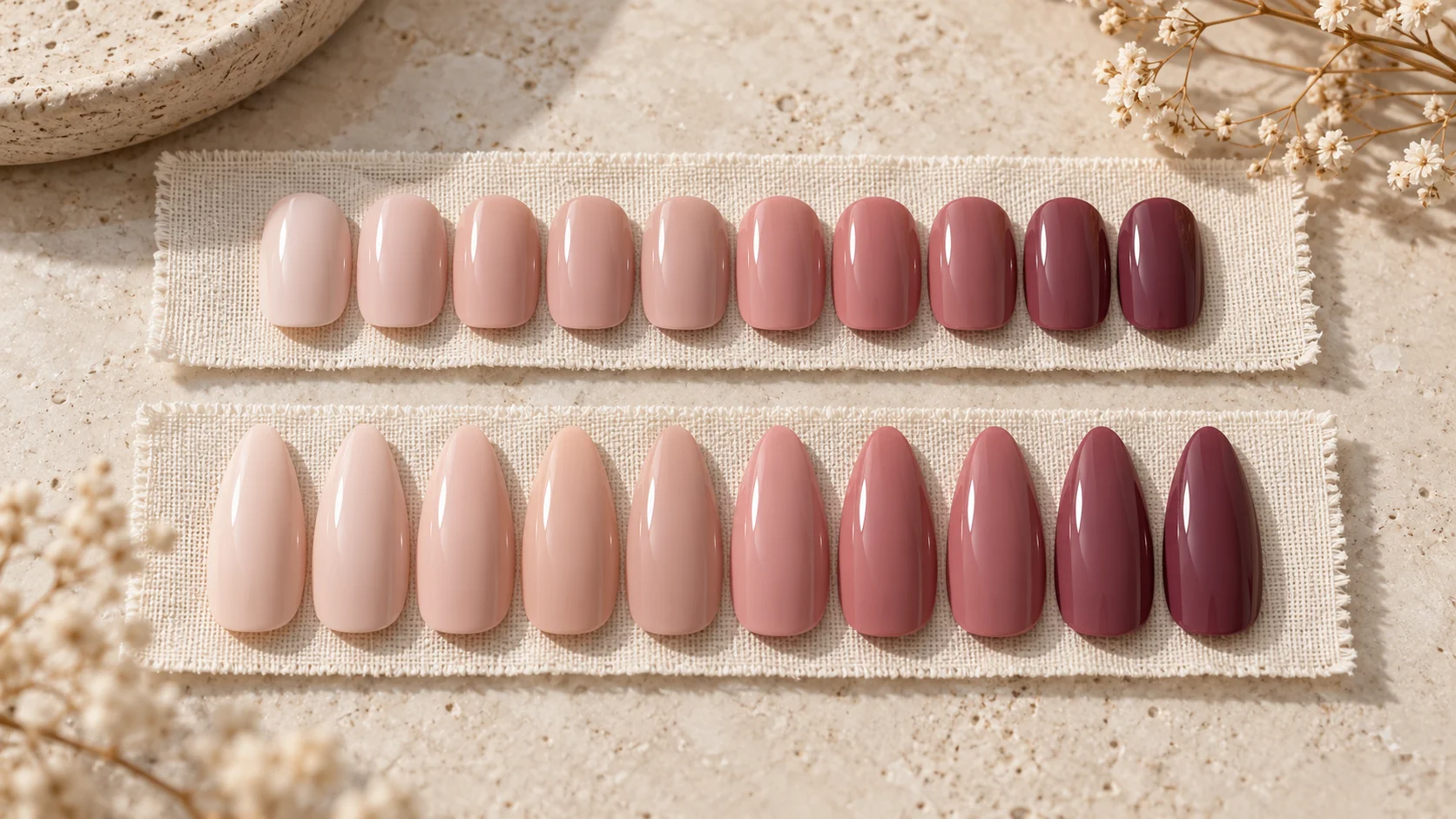
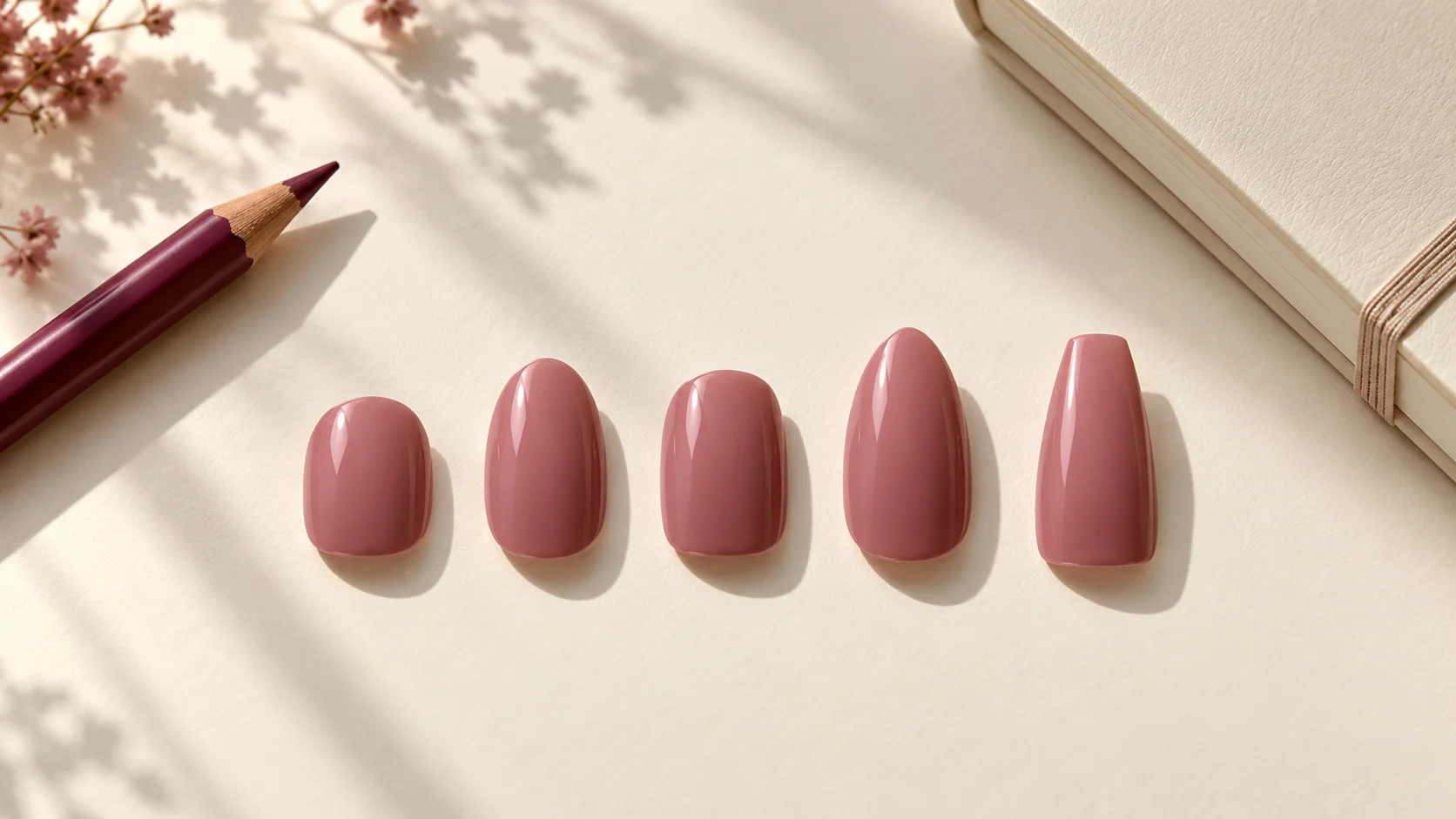
OPI’s nail-shape guide names common outlines such as round, square and squoval. Use the names as a shared vocabulary, then show the specific version you prefer. A name alone cannot describe every corner, width or amount of free edge.
At very short lengths, the outline available may be different from the shape shown on a long reference. Ask what can be achieved without forcing the sides or promising the same proportions. A softly squared or rounded look can be intentional even when there is little free edge.
Look at the proposed shape from normal viewing distance as well as close up. The manicure needs to feel comfortable in daily use, not simply appear symmetrical in a highly magnified image. Discuss an adjustment before a large amount of shortening begins.
| Choice | Describe | Ask the provider |
|---|---|---|
| Length | Current length or modest added length | Which service does that require? |
| Outline | Soft corners, round or another preferred shape | What is realistic on these nails? |
| Finish | Sheer, opaque or a small design detail | How will it fit the available space? |
| Daily use | Work, gloves, hobbies and ordinary tasks | Will the chosen profile fit those needs? |
| Upkeep | Time available for maintenance | What follow-up and removal plan applies? |
Use colour and spacing deliberately
A short nail offers a smaller area for a design, so choose which detail deserves attention. One tiny accent, a slim tip or a simple opaque colour may communicate the idea more clearly than several elements competing for space. Ask the provider to show how the spacing will change.
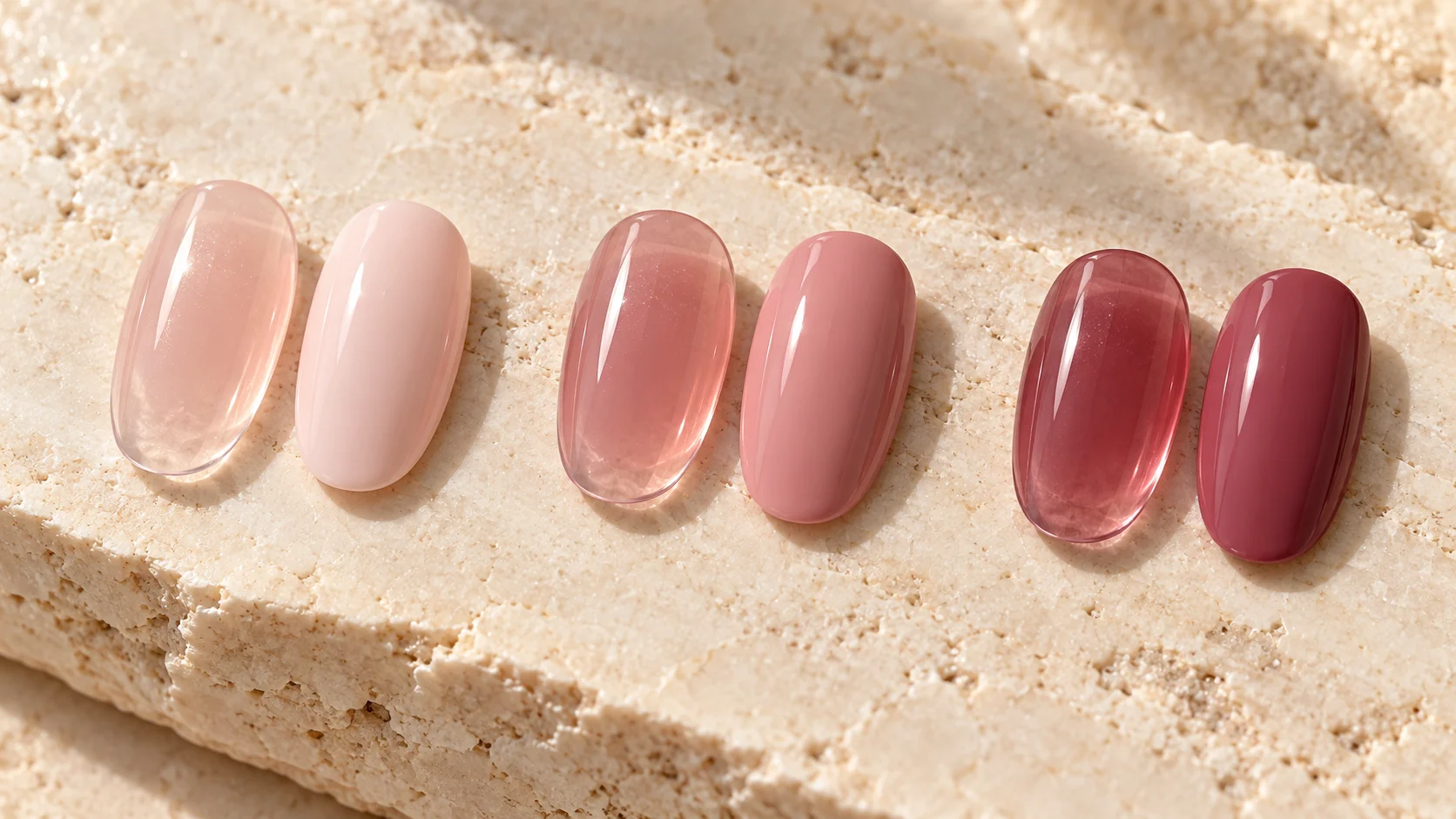
Sheer colour can let the natural nail remain visible, while an opaque finish creates a more uniform colour field. These are aesthetic differences, not health rankings. Neither choice proves that the product underneath is medically better for your nails.
If you choose a French-style detail, discuss the visual width of the tip rather than assuming a long reference can be copied exactly. A narrow design line can preserve more visible base colour on a small nail. This is a design preference to agree with the provider, not a universal rule.
Keep expectations about growth realistic
A cosmetic coating does not guarantee that every nail will reach a particular length by a chosen date. Ask what the service is intended to do and what upkeep it requires. Avoid converting the word strengthening into a promise that the underlying reason for a nail concern has been treated.
The AAD warns that covering damaged nails can worsen problems. If nails are sore, injured or changing unexpectedly, seek suitable advice before deciding on a covering. Very short does not tell a provider everything about their condition.
If nail biting or picking is part of the situation, explain that without embarrassment. A cosmetic appointment is not a guaranteed solution to a repeated habit or its underlying triggers. The provider needs an honest starting point, and additional support may be useful where the behaviour causes distress or damage.
Ask about the profile as well as the length
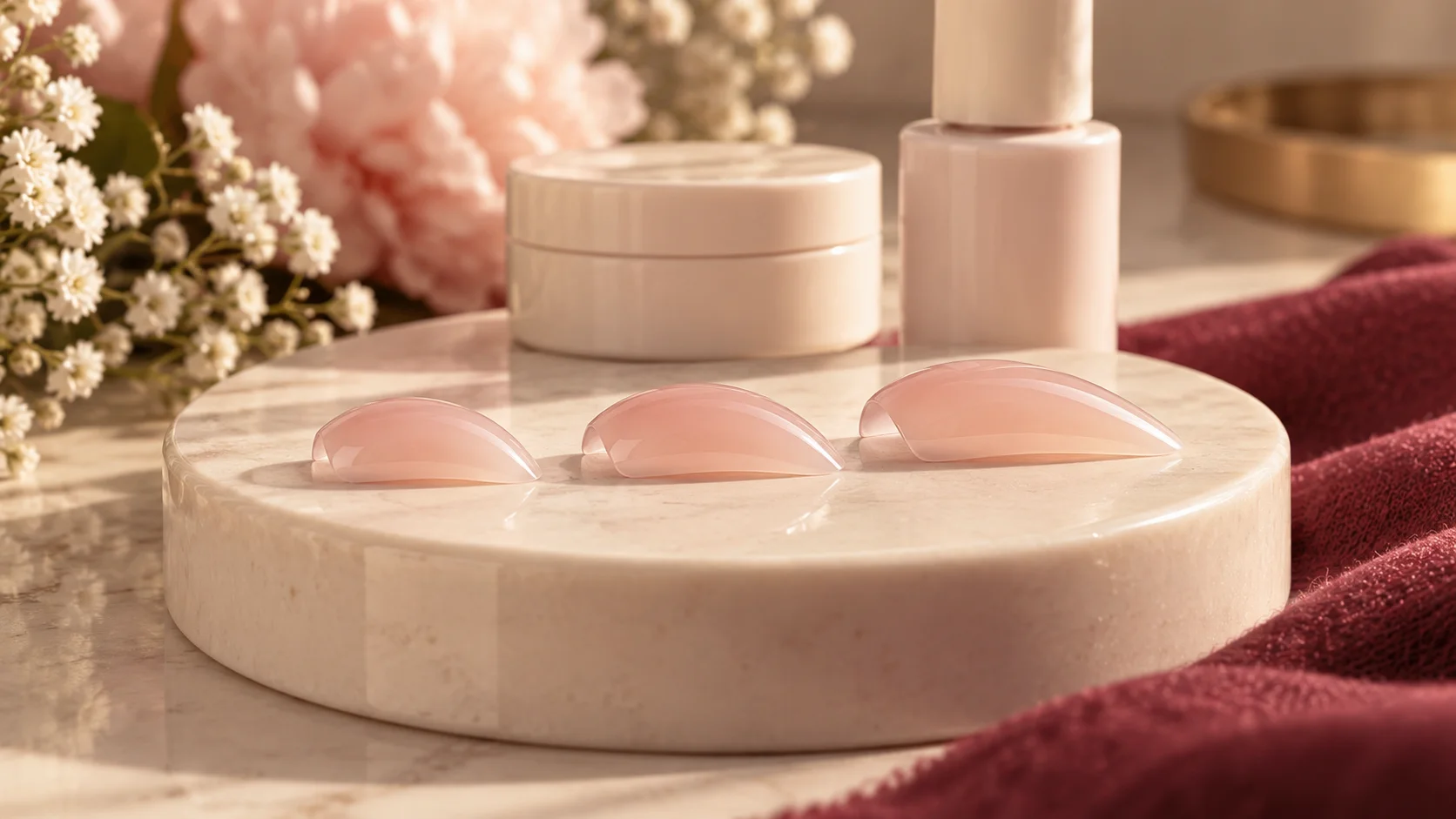
A short result can still have different visual profiles. Tell the provider if you prefer a subtle appearance and ask how the chosen system will achieve it. Do not request that a product be applied outside its intended method simply to make the nail look thinner.
The exact product matters because ranges and formulations differ. Save the name and follow the provider’s system-specific advice. A photograph of a similarly coloured short manicure cannot establish which layers were used or how yours should later be removed.
If you are unsure about a recommendation, ask for the reason in plain language. You can understand the practical choice without specifying technical quantities or curing settings yourself.
When saving a design reference, keep enough of the image to show the full nail outline. A tightly cropped detail may hide how much length was needed for the original design. Tell the provider if you like the colour but not the length, or the shape but not the decoration. Separating those preferences can produce a clearer short-nail brief than asking for the entire image to be copied unchanged.
Length, outline, detail, upkeep
- Length: decide whether to keep the natural free edge.
- Outline: choose a realistic shape for the available nail.
- Detail: adapt colour and spacing to a compact area.
- Upkeep: agree maintenance without growth guarantees.
Review the result by how it works for you
After the appointment, notice whether the outline feels manageable during ordinary tasks and whether the chosen design reads as you intended. Record one or two specific preferences for the next visit. You do not need to lengthen the manicure simply because more free edge becomes available later.
Ask what to do if product catches, lifts or becomes uncomfortable, and keep the contact route with the aftercare information. Browse our Gel & BIAB section for related service explanations. A successful short manicure fits your own hands and routine, with an appearance and maintenance plan you understand.
Before settling the service plan, compare What Is BIAB? Builder in a Bottle Explained for Salon Clients, Gel Overlay vs Extensions: Choosing Length and Support and How to Explain Your Preferred Gel Nail Shape at a Consultation. For the related everyday care or design question, see Short Nail Designs That Leave Room for Everyday Life.
Common questions
Can BIAB be considered for short natural nails?
A provider can discuss a suitable overlay at the length you already have, but shortness alone does not establish suitability. Explain the condition, practical requirements and intended finish. A product name should not replace an assessment of the actual nails and service.
Will it automatically make my nails grow longer?
Do not treat a cosmetic service as a guaranteed growth plan or promise of a particular length by a deadline. Ask what the product is intended to add and what maintenance is needed. A short finish can remain your preferred style indefinitely.
Do I need extensions to copy a short design?
Not necessarily. Colour and spacing can often be adapted to the nail area available, while added length is a separate service decision. Show the provider the detail you like and discuss whether your existing length can carry the intended look.
Which shape is best for very short nails?
There is no universal outline for every hand or task. Discuss the available free edge, preferred corners and practical needs. Shape names help communication, but the provider should explain what is realistic rather than forcing the proportions of a much longer reference.
Can I still choose detailed nail art?
Choose the main detail you want to preserve and discuss how it can be scaled to the available area. A smaller design may need different spacing or fewer elements. The goal is a clear intended look, not copying every feature of a long-nail photograph.
Are short bitten nails automatically suitable?
No single description such as bitten or short settles suitability. Explain soreness, injury, picking and other concerns honestly. A cosmetic covering is not a guaranteed solution to a repeated habit, and a health concern may need attention before any service proceeds.
Should I ask for the thinnest possible application?
Describe the subtle profile you prefer, but do not ask the provider to work outside the product’s intended method. The system and structure need to be appropriate. You can discuss the visual result without prescribing technical quantities or application settings.
How should I judge the result after the appointment?
Notice whether the length and outline work during ordinary tasks and whether the design reads as intended. Save specific preferences for next time. Report catching, lifting or discomfort through the appropriate route rather than judging the service solely by a close-up photograph.
Sources and further reading
- The GelBottle — BIAB variants — checked 2026-10-21
- OPI — Nail shapes — checked 2026-10-21
- AAD — Artificial nail damage — checked 2026-10-21