BIAB Shades for a Natural Finish: Sheer Pink, Nude and Milky Tones
Compare colour, transparency and shimmer before choosing a natural-looking BIAB finish, with a practical salon swatch checklist.
Archive edition: 2026-07-06 · This is an editorial allocation, not the first-publication date.
Key takeaways
- Family: choose the pink, beige, brown or white direction.
- Coverage: decide how much natural detail you want visible.
- Effect: compare plain gloss with deliberate shimmer.
- Record: save the actual shade and product version.
In this guide
- Key takeaways
- Start with three decisions, not a long shade list
- Sheer pink: choose the mood as well as the colour
- Nude is a range, not one pale beige
- Milky finishes: distinguish a veil from solid white
- Check whether the subtle effect is shimmer
- Confirm the exact product behind the colour
- Family, coverage, effect, record
- Make a choice you can explain
- Common questions
- Sources and further reading
A natural-looking BIAB manicure does not have to mean pale pink. It can be a translucent rose, a quiet beige, a deeper brown or a milky veil that deliberately contrasts with your skin. The useful question is what you want the colour to do: blend softly, brighten the overall look or make a restrained statement.
Separate colour from coverage before choosing a name on the display. Two pinks can look very different when one lets the natural nail show through and the other looks creamy and opaque. This guide gives you a vocabulary for that consultation, rather than promising a universally flattering shade or an exact match to a photograph.
Start with three decisions, not a long shade list
First choose a broad colour family: pink, beige, brown, taupe or white. Next decide how much of the natural nail you want to see. Finally choose whether the finish should have a straightforward glossy reflection or a visible shimmer. These decisions narrow a large display much faster than browsing every bottle.
Write a short sentence before the appointment, such as “a warm brown that still looks translucent” or “a soft white veil without sparkle”. The words are a starting point for discussion. They do not specify how many coats a professional should apply or replace the instructions for the product.
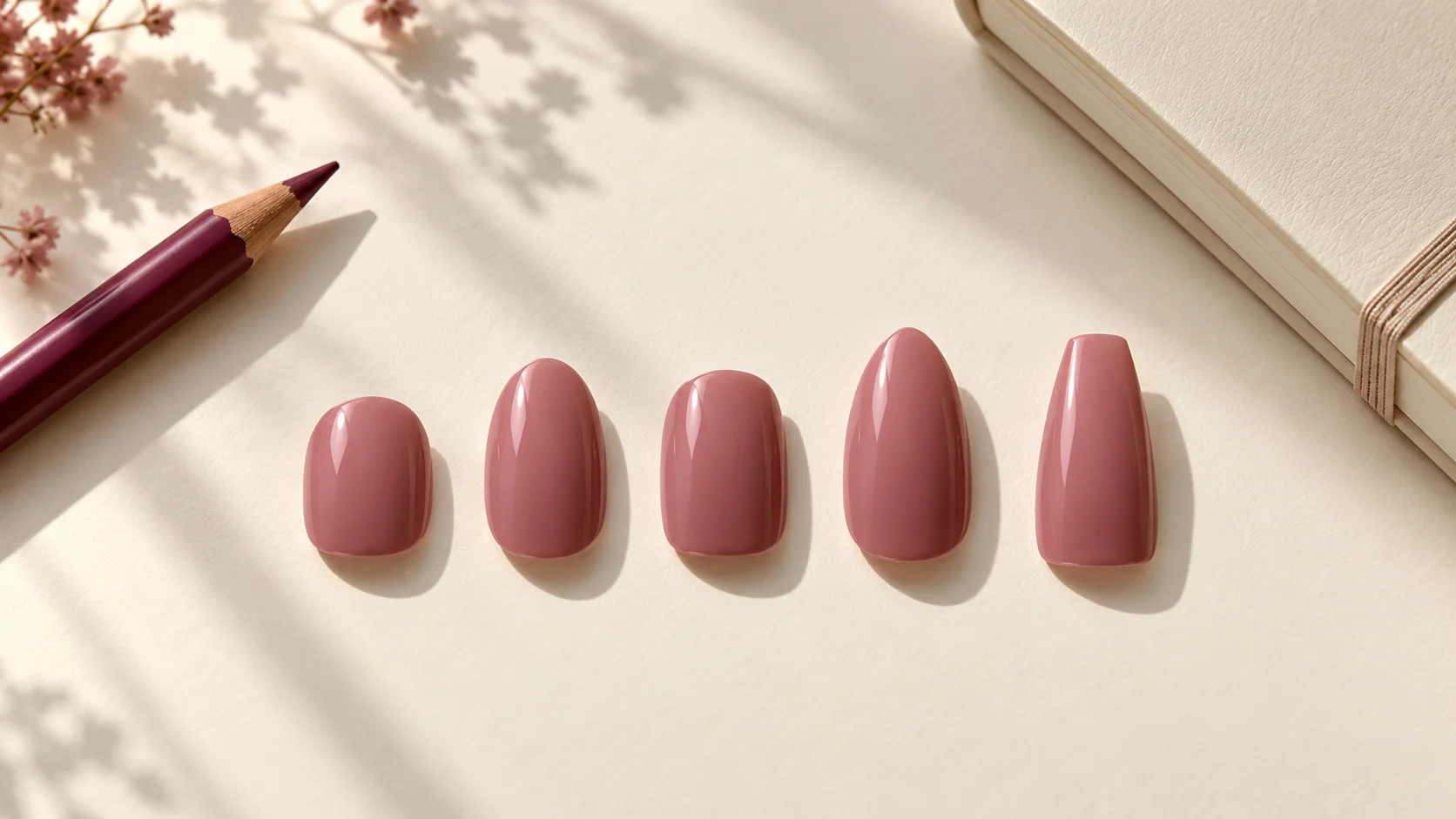
Bring one reference for the desired colour and another for the shape only if necessary. Explain which feature matters in each. Otherwise a photograph of long almond nails can distract from the quiet beige tone you actually wanted on a short square manicure.
Sheer pink: choose the mood as well as the colour
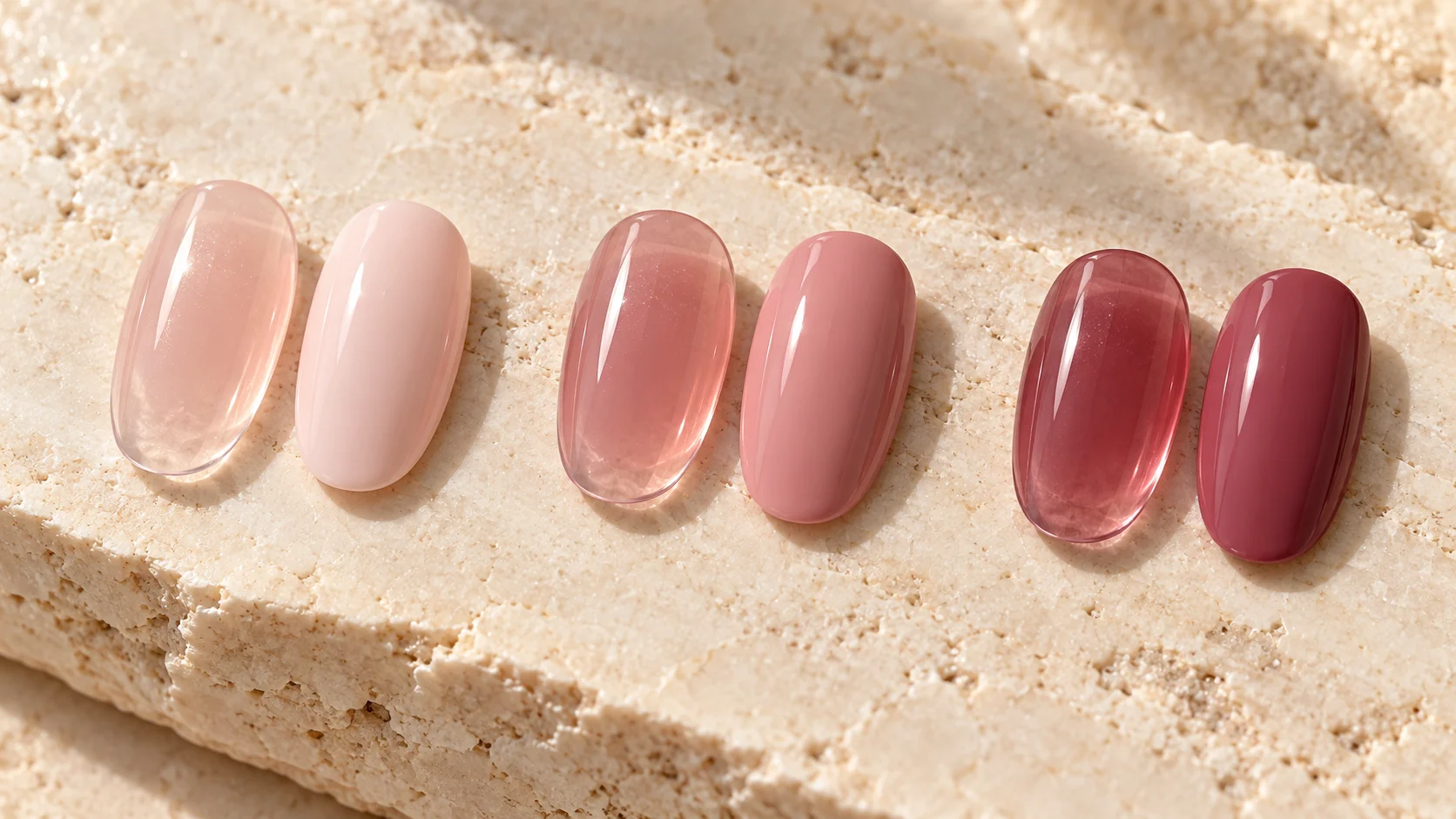
A soft pink can lean peachy, rosy, cool or almost colourless. At the consultation, compare samples side by side instead of trying to remember the first one after looking at twenty others. Ask whether the sample represents the service you are booking, including its base and finish.
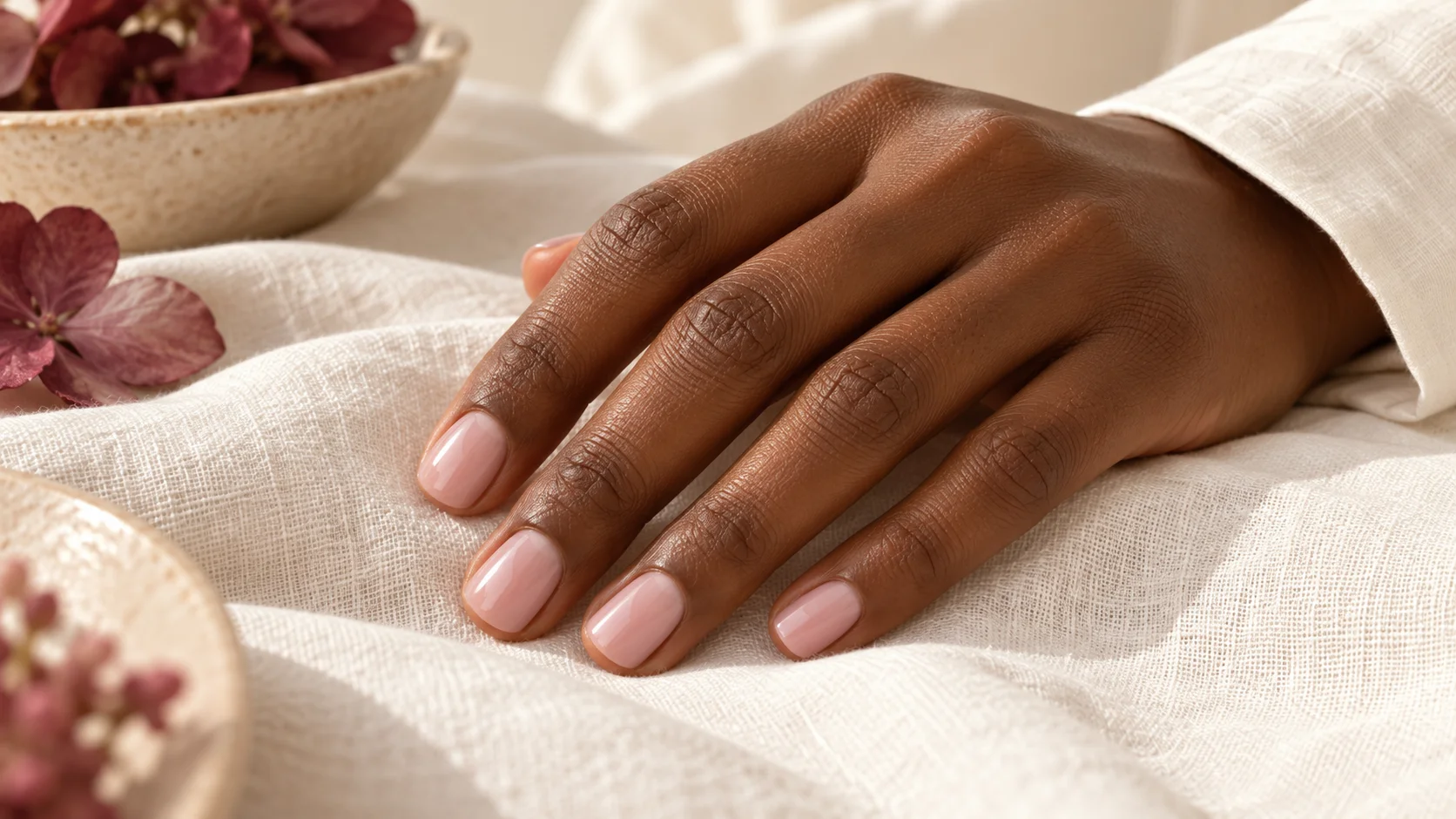
For a barely-there result, describe how much natural-nail detail you are comfortable seeing. The visible free edge may be part of the look you enjoy. If you would rather have more visual uniformity, say that directly; a sheer colour is not automatically the right way to achieve it.
The GelBottle’s Sheer BIAB collection description includes blush-pink and off-white options alongside other neutral tones. Those descriptions establish the intended colour families. They are not evidence that a particular shade will look identical on your nails, under your lighting or in an edited social-media picture.
Nude is a range, not one pale beige
Decide whether “nude” means close to your skin, close to your natural nail colour or simply understated. These are different briefs. A cocoa or caramel shade may feel quieter to one wearer than a pale beige, while another deliberately prefers contrast.
Hold the salon’s finished samples near your own hand, without applying uncured product to skin. Look at the overall impression rather than trying to obey a rule that warm skin must wear one colour family and cool skin another. Personal preference, clothing and the amount of contrast all matter.
If two options are close, compare them with the jewellery or clothing you actually wear. You may prefer a rose-beige beside silver and a deeper brown beside cream sleeves, but that is a styling choice, not a test you can pass or fail. Choose the combination you want to look at every day.
| Direction | Useful description | Check on the sample |
|---|---|---|
| Sheer pink | A tint with natural detail visible | How rosy or peachy does it appear? |
| Beige or brown nude | Blend with skin or create quiet contrast | Does the depth suit your preference? |
| Milky white | A soft veil rather than bright solid white | How much background shows through? |
| Taupe neutral | A muted grey-brown direction | Does it feel too grey in daylight? |
| Subtle shimmer | A neutral with a light-catching effect | Is sparkle visible when the sample moves? |
Milky finishes: distinguish a veil from solid white
“Milky” usually describes an appearance rather than a precise coverage measurement. One reference may show a translucent white wash and another a much denser cream. Point out which quality you like so the provider can explain what is achievable with the available system.
Look at the centre and edge of a finished sample. Ask whether its underlying tip changes the appearance and whether the result on your natural nail will differ. A white sample stick can make a sheer product look more opaque than you expect from the word alone.
Do not ask for extra thickness simply to copy the density of a photograph. Product application and curing need to follow the actual system. If the colour effect requires another suitable service or a separate colour layer, discuss that before work begins.
Check whether the subtle effect is shimmer
A glossy highlight and shimmer are not the same thing. A smooth shiny surface reflects a bright line, while a shimmer finish contains a deliberate light-catching effect. A still photograph can make that distinction difficult, especially when the image is strongly lit or compressed.
The manufacturer’s Sheer BIAB FAQ distinguishes its sheer shades from shimmer choices. Ask to see the sample move under ordinary lighting if you want the most restrained result. Describe whether you like a visible effect or simply a polished surface.
For an event, consider both the daylight setting and indoor evening lighting. You do not need a complex lighting test: a quick look away from a bright desk lamp can clarify the decision. Keep the final choice based on the real sample rather than your phone screen alone.
Confirm the exact product behind the colour
BIAB is a branded product family, and a shade name is not the whole service specification. The GelBottle’s formula update information describes different named versions. Ask the provider to record the actual product used so future maintenance or removal is based on that system.
Keep colour preference separate from suitability. A natural appearance does not prove that a product is appropriate for a previous reaction or a current nail concern. Mention relevant history before choosing the service, rather than assuming a pale shade is a gentler formulation.
If you want the same look again, save the product and shade names with an unfiltered photograph taken in ordinary light. Include any separate colour layer. That record is more useful than a general note saying “the nude one”, particularly if a salon later changes its range.
Family, coverage, effect, record
- Family: choose the pink, beige, brown or white direction.
- Coverage: decide how much natural detail you want visible.
- Effect: compare plain gloss with deliberate shimmer.
- Record: save the actual shade and product version.
Make a choice you can explain
Reduce the final comparison to two or three samples, then describe what separates them. Perhaps one is too cool, one too opaque and the third gives the soft contrast you wanted. That explanation helps the provider refine the result without guessing what “natural” means to you.
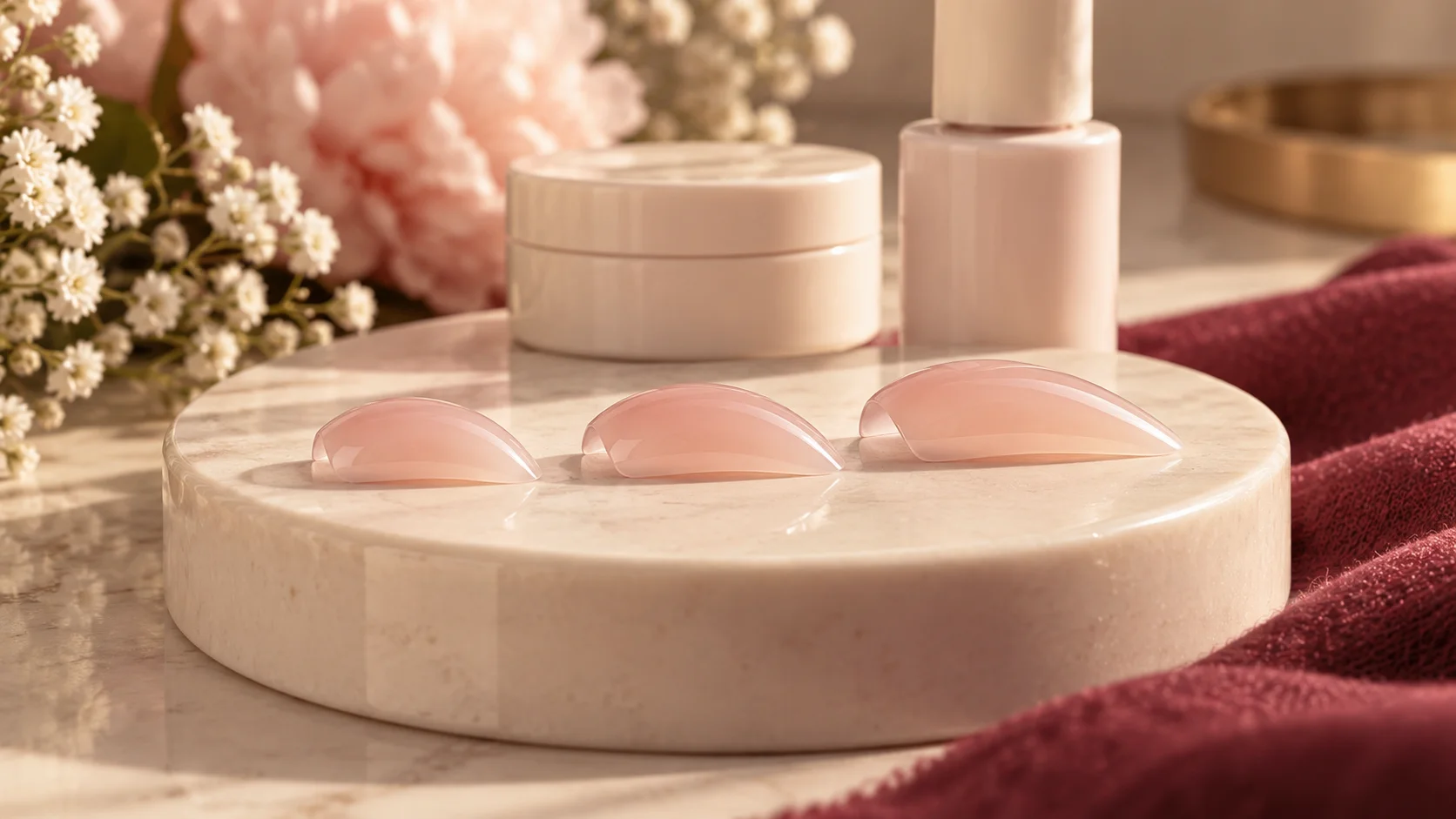
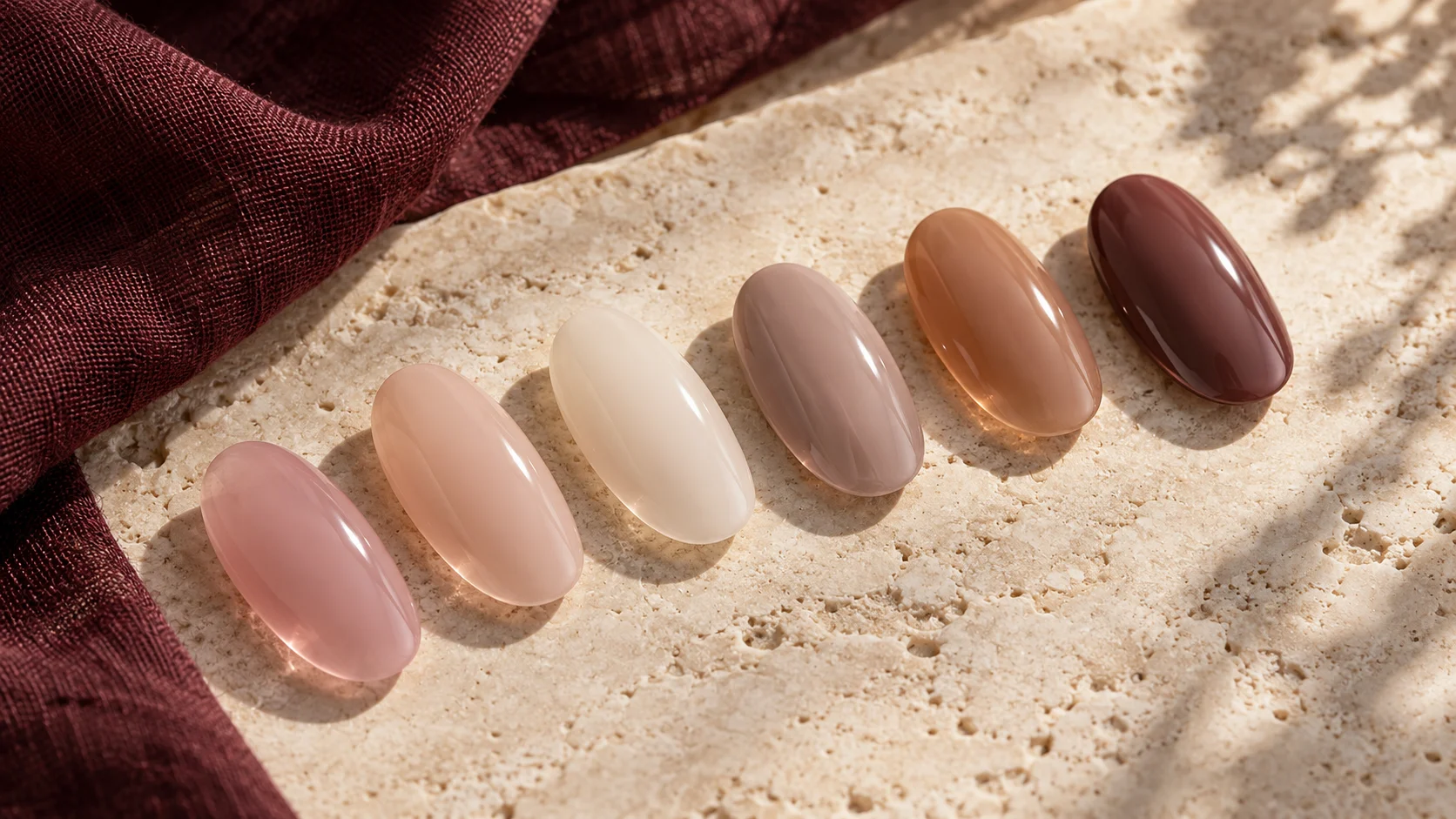
The illustration accompanying this guide is a conceptual palette, not a photograph of tested BIAB shades. Use it for broad colour direction, then verify the real options at the consultation. Explore the Gel & BIAB section for the service and maintenance questions that sit alongside colour selection.
Before settling the service plan, compare Sheer Gel vs Opaque Gel Colour: Coverage and Regrowth Compared, BIAB on Short Nails: Shape, Finish and Realistic Expectations and How to Explain Your Preferred Gel Nail Shape at a Consultation. For the related everyday care or design question, see Choosing a Nude Nail Polish: Undertones, Coverage and Personal Preference.
Common questions
Does a natural BIAB colour have to match my skin?
No. Decide whether you want a close blend, a soft contrast or simply an understated colour. Compare finished samples near your own hand and explain which effect you prefer. There is no single beige or pink that defines a natural finish for everyone.
What is the difference between sheer and milky?
Sheer describes how much you can see through the finish, while milky usually describes a soft whitish appearance. A milky shade can still vary in coverage. Ask to see the actual finished sample rather than relying on either word as a precise specification.
Can I choose my shade from an online photograph?
A photograph can communicate a direction, but it cannot guarantee an exact match. Lighting, editing, the underlying nail and your screen all affect the comparison. Bring the image as a reference and check the available salon samples before committing to the colour.
Is nude always a pale colour?
No. Nude may mean a colour close to your skin, your natural nail or your idea of an understated manicure. Beige, caramel, cocoa and muted rose can all fit that brief. Explain which meaning you intend instead of asking for an unspecified nude.
Will a sheer shade hide every difference in my nails?
Do not assume it will. Transparency deliberately allows some underlying detail to remain visible, and a sample tip may differ from your own nail. Explain how much coverage you want and let the provider discuss a suitable finish within the product instructions.
How can I avoid accidentally choosing shimmer?
Ask whether the finish contains a deliberate shimmer effect, then look at the sample as it moves in ordinary light. A shiny reflection in a photograph can resemble shimmer. Say that you want plain gloss if visible sparkle is not part of your brief.
Should I ask for more gel to make the colour opaque?
Discuss the colour effect rather than directing extra thickness or layers. The provider needs to follow the actual product system and curing instructions. A different shade or suitable colour layer may be a better option than trying to force one product into a different finish.
What should I save if I want the same shade again?
Record the exact shade, product version and any separate colour layer, along with the appointment date. An unfiltered photograph can help remind you of the overall look. The written product details are especially useful if the provider changes its range before your next visit.
Sources and further reading
- The GelBottle — Sheer BIAB collection — checked 2026-10-21
- The GelBottle — Sheer BIAB FAQs — checked 2026-10-21
- The GelBottle — Formula update FAQs — checked 2026-10-21