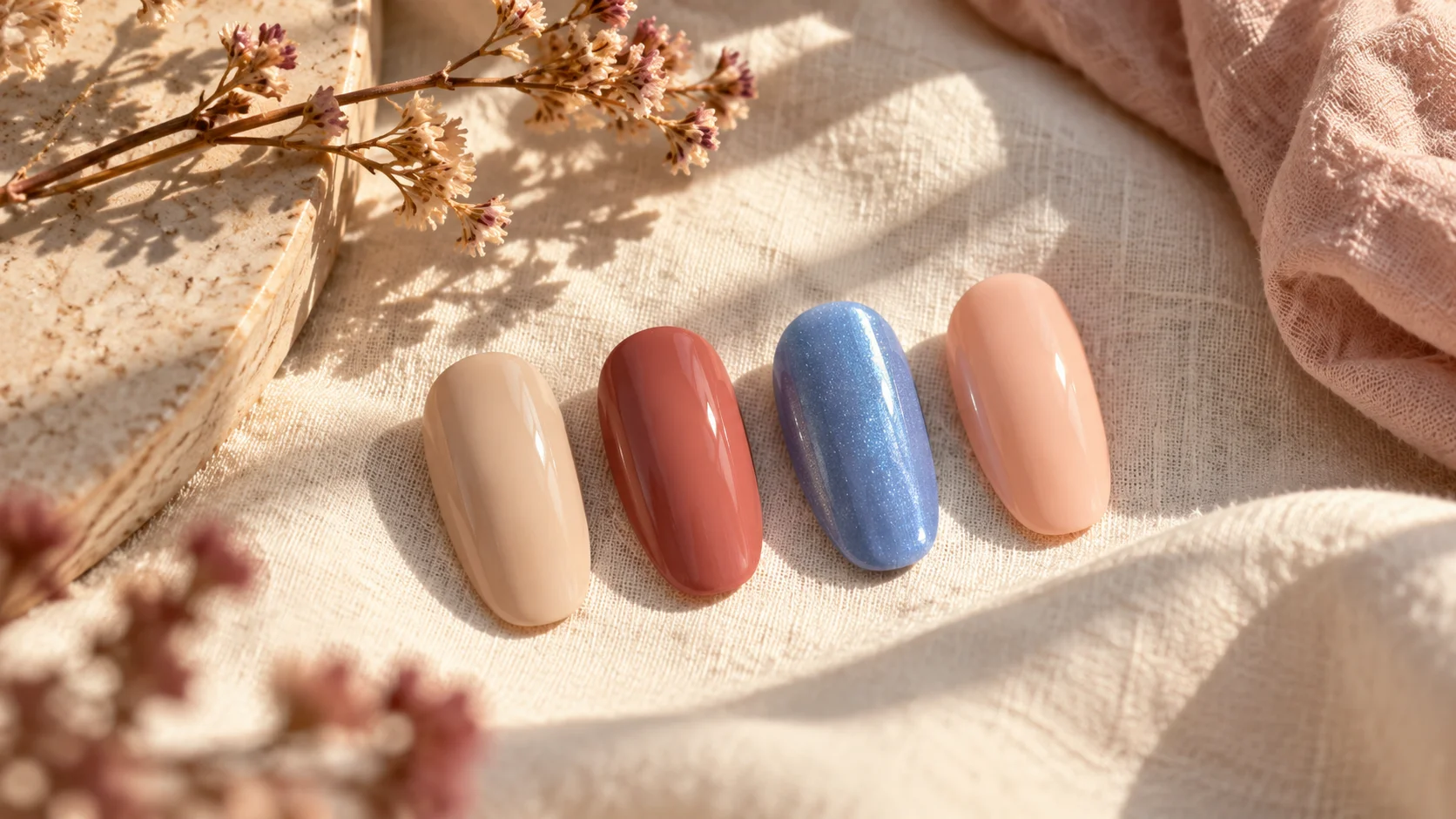
A Bridal Nail Trial Checklist for Colour, Shape and Comfort
Use a nail trial to compare colour, test everyday comfort and record a clear wedding-day plan with your technician.
Archive edition: 2026-04-28 · This is an editorial allocation, not the first-publication date.
Key takeaways
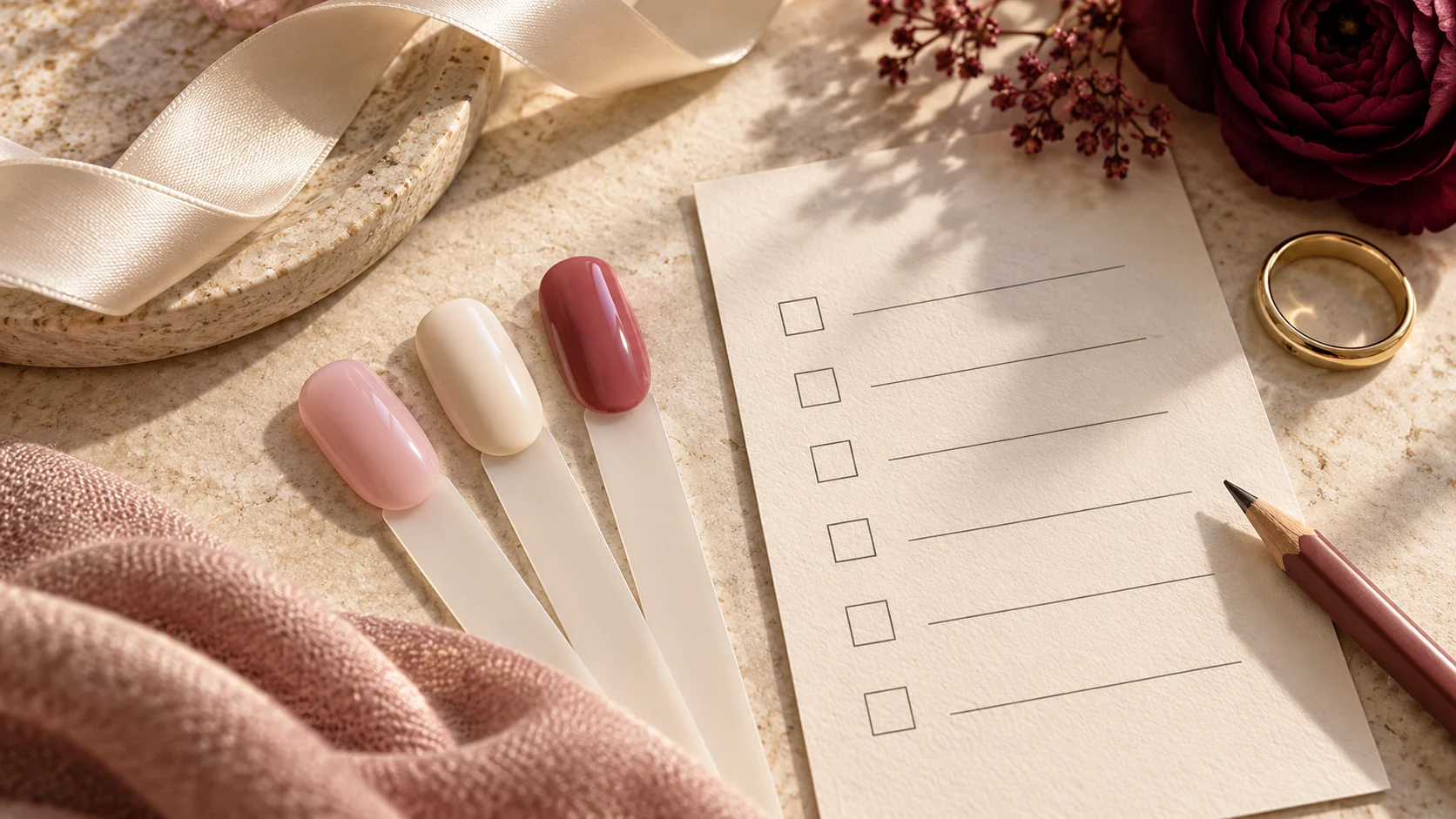
- A clear colour and coverage choice.
- A shape and length you can use comfortably.
- An agreed description of every decorative detail.
- A short record of changes requested after wearing the trial.
- Confirmed appointment, price and removal arrangements.
In this guide
- Key takeaways
- Before booking: define what you need to learn
- Bring references that answer a clear question
- During the trial: check shape before detail
- Separate a style adjustment from a service concern
- Afterwards: test comfort without stress-testing nails
- Five things to leave with
- Turn the trial into a final appointment brief
- Common questions
- Sources and further reading
A bridal nail trial should leave you with a decision you can repeat, not just a photograph of a pretty manicure. Use it to establish the colour, shape, length and detail you want, then check how that choice feels during ordinary activities. The trial is also a chance to understand the service, likely appointment requirements and removal plan before the wedding calendar becomes crowded.
You do not have to arrive with a finished design. Two or three focused references and a short description of what you usually wear are enough to begin a useful conversation. This checklist is an editorial planning aid for that conversation, not a medical assessment or a promise that a trial can rule out reactions, damage or problems on the wedding day.
Before booking: define what you need to learn
Write down your biggest uncertainty. It might be whether you prefer a translucent pink or an opaque ivory, whether a slightly longer shape feels practical, or whether a decorative accent is worth including. Keeping one main question makes the appointment easier to assess. If you change the colour, shape, length and finish simultaneously, it may be harder to identify what you liked or disliked afterwards.
The OPI education team recommends a consultation and wearing a trial manicure before committing. The useful principle is to allow space for a decision and any agreed adjustment. Set actual appointment dates with your technician around their availability and the chosen service, rather than following a universal number of days from an online checklist.
Tell the salon which products or enhancements are already on your nails and whether removal will be required. Explain previous problems with nail products and any current discomfort before booking a cosmetic service. A trial is not a do-it-yourself skin patch test. Do not experiment with applying uncured gel or adhesive to skin to see whether you react.
Bring references that answer a clear question
Choose one reference for colour and another for shape if a single image does not show both well. Label what you like in each: narrow white tips, a soft pink base, a rounded edge or a flat painted accent. Say which features you do not want, especially if the photograph includes long extensions or raised decorations that are not part of your plan.
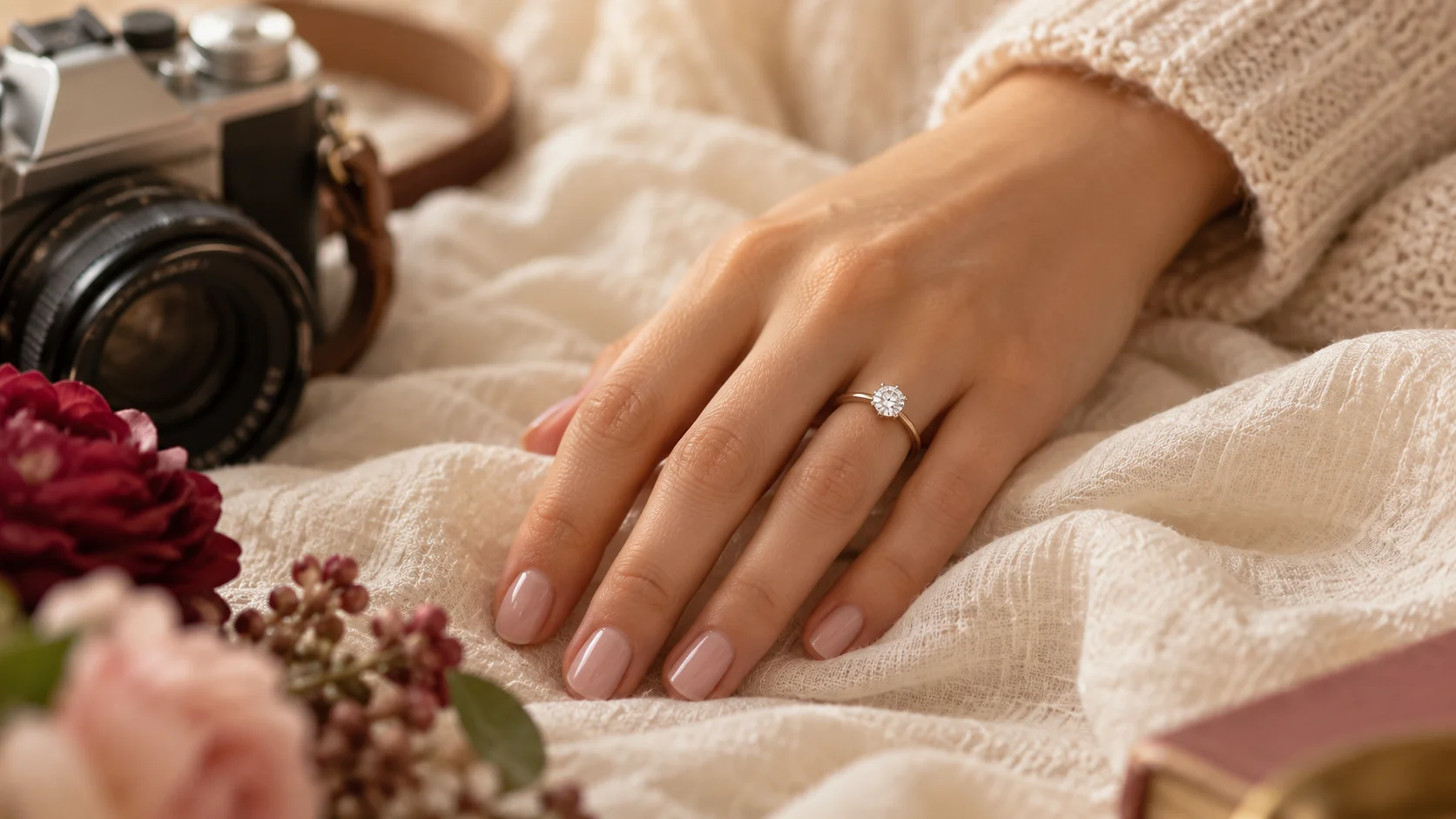
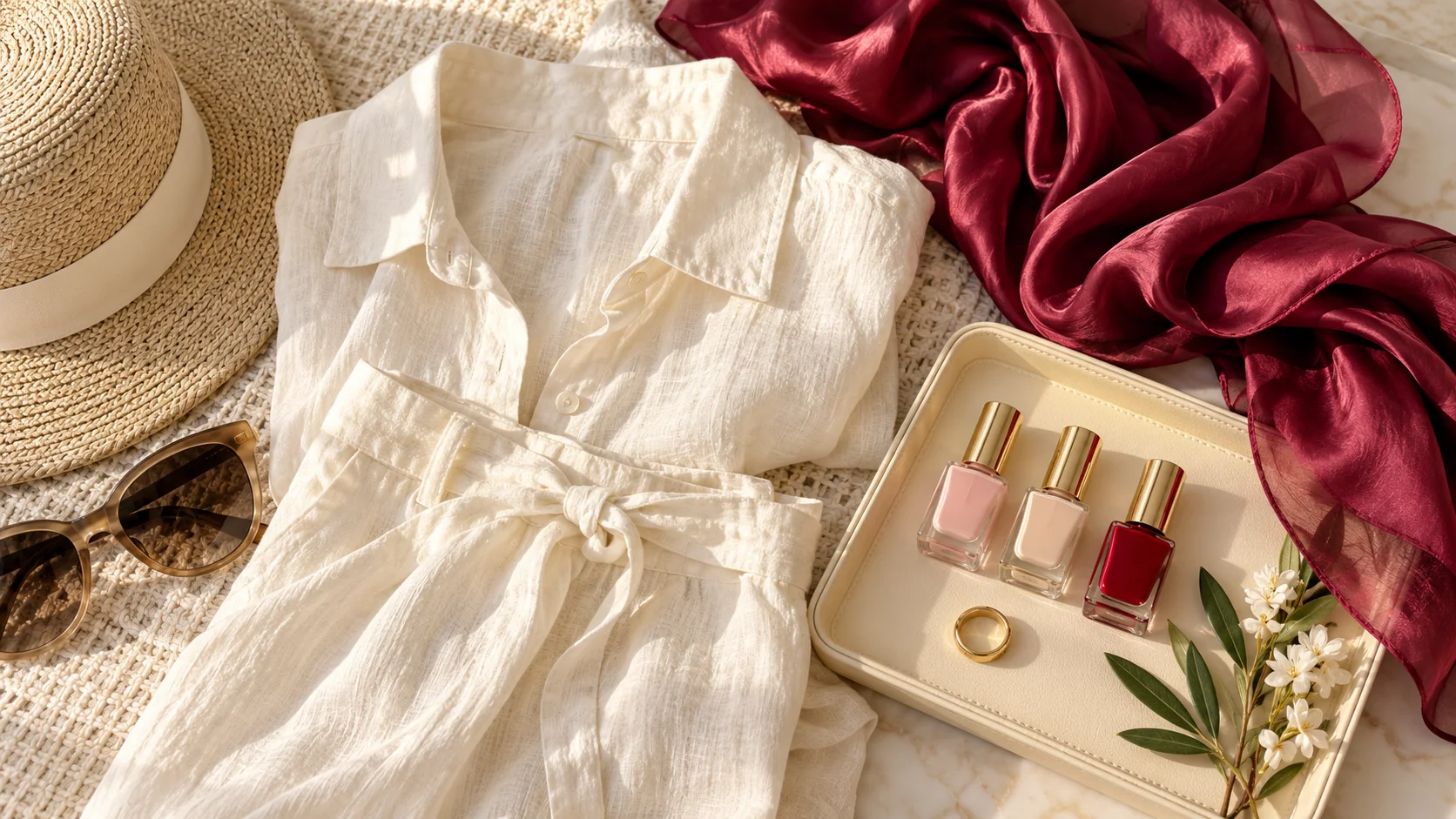
Include the outfit fabric or a representative image and the jewellery you intend to wear where practical. These help you compare the overall appearance; they do not impose a rule that every colour must match. Avoid relying on a heavily edited photograph as a precise shade specification. A technician may need to create a sample or propose an achievable interpretation.
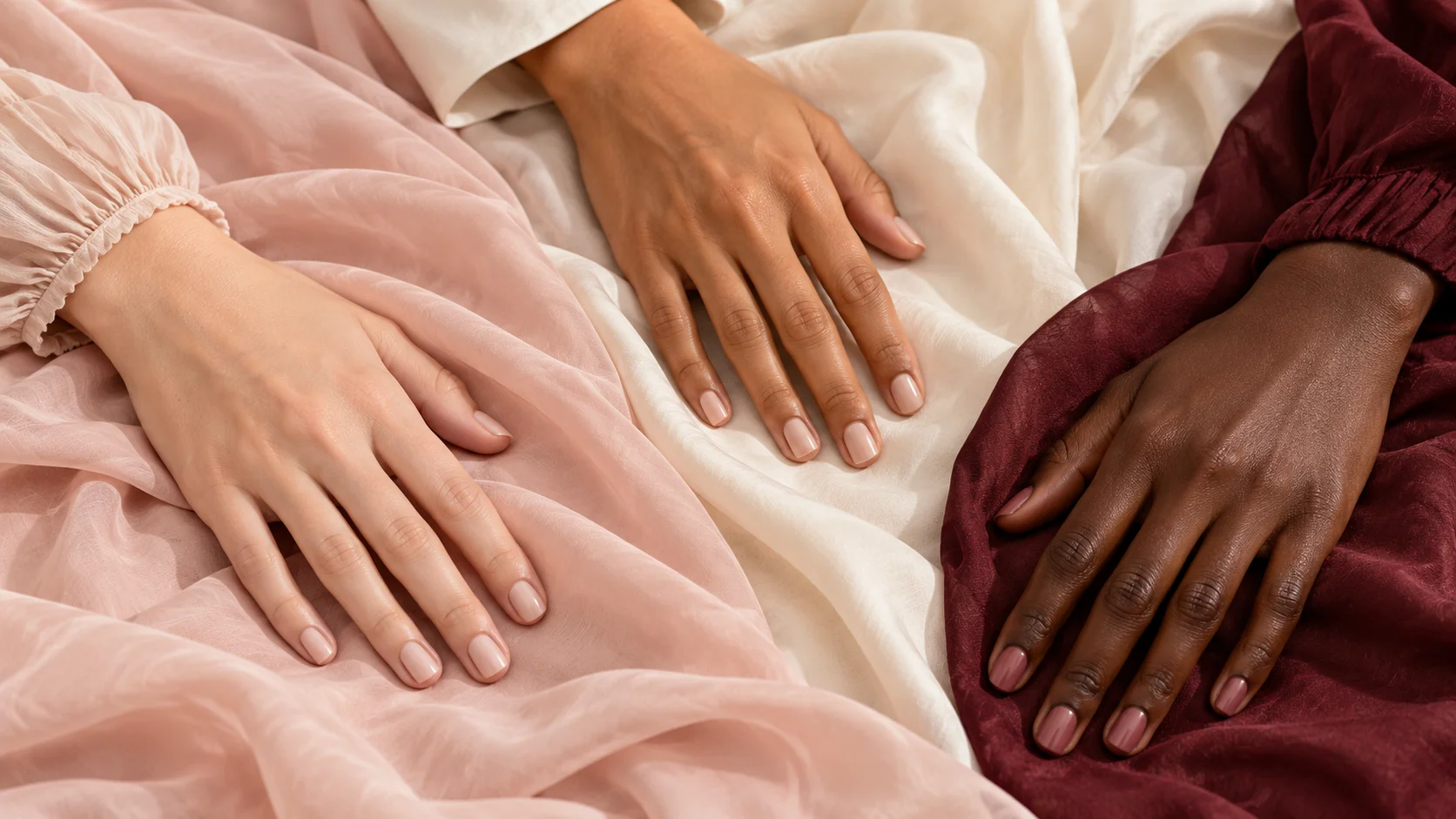
Specify coverage separately from colour. For example, OPI describes Bubble Bath Nail Lacquer as sheer light pink. Someone expecting a solid pale pink could still find that finish different from their brief. Product names are useful records, but viewing the intended effect on your own hand is a separate part of the decision.
During the trial: check shape before detail
Look at the length and outline before deciding on complicated art. Compare the hand relaxed as well as held in a posed photograph. If the shape seems unfamiliar, explain what feels wrong: too much length beyond the fingertip, corners you notice when handling clothing, or an outline different from your usual preference. Clear observations are easier to act on than saying the nails simply feel strange.
Ask what is being proposed when the service changes. A request for more length may mean a different product, additional maintenance or another removal method. Agree the scope and price before adding it. For basic care, the American Academy of Dermatology advises against cutting or pushing back cuticles; a highly finished bridal image does not justify uncomfortable preparation.
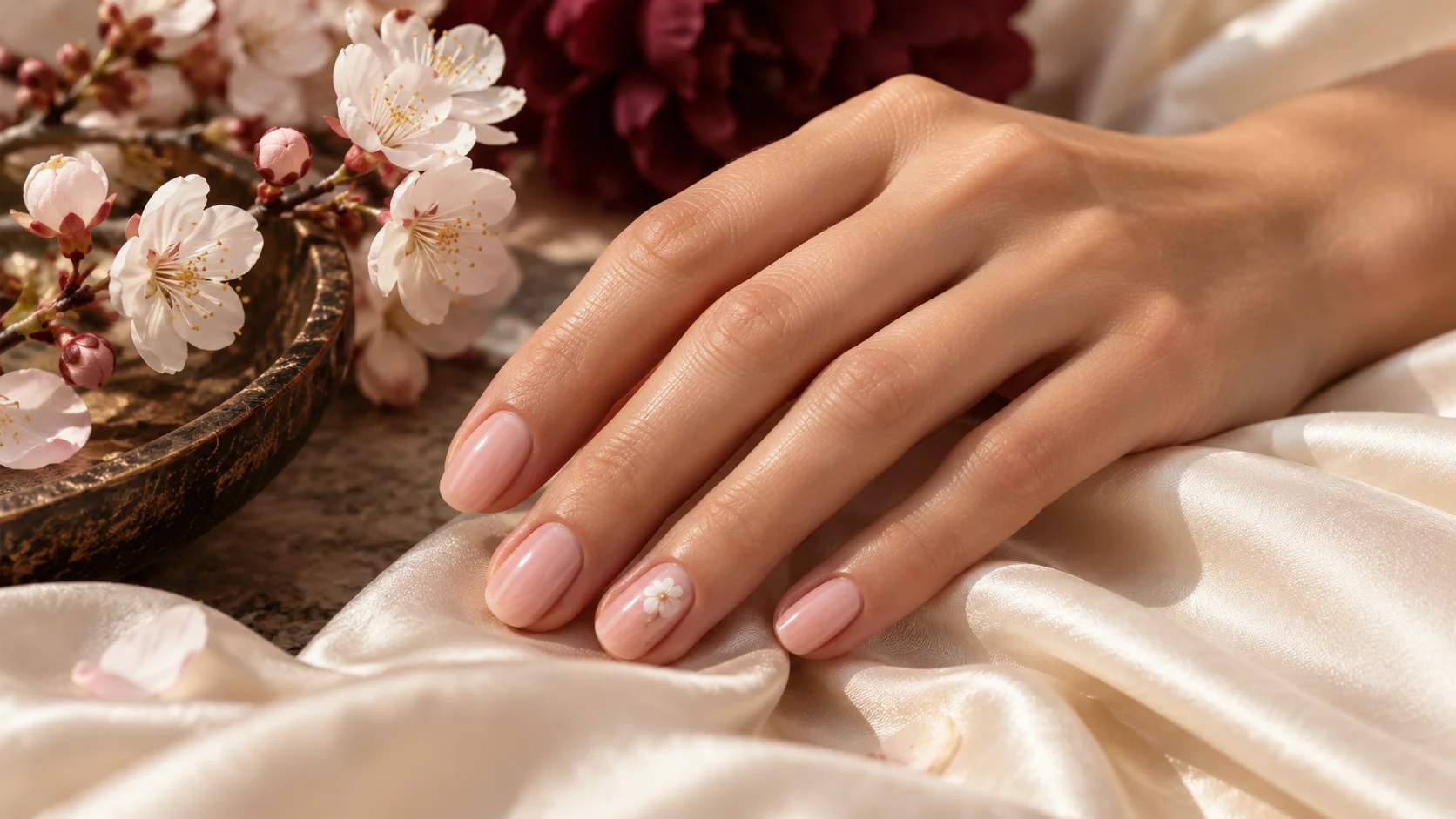
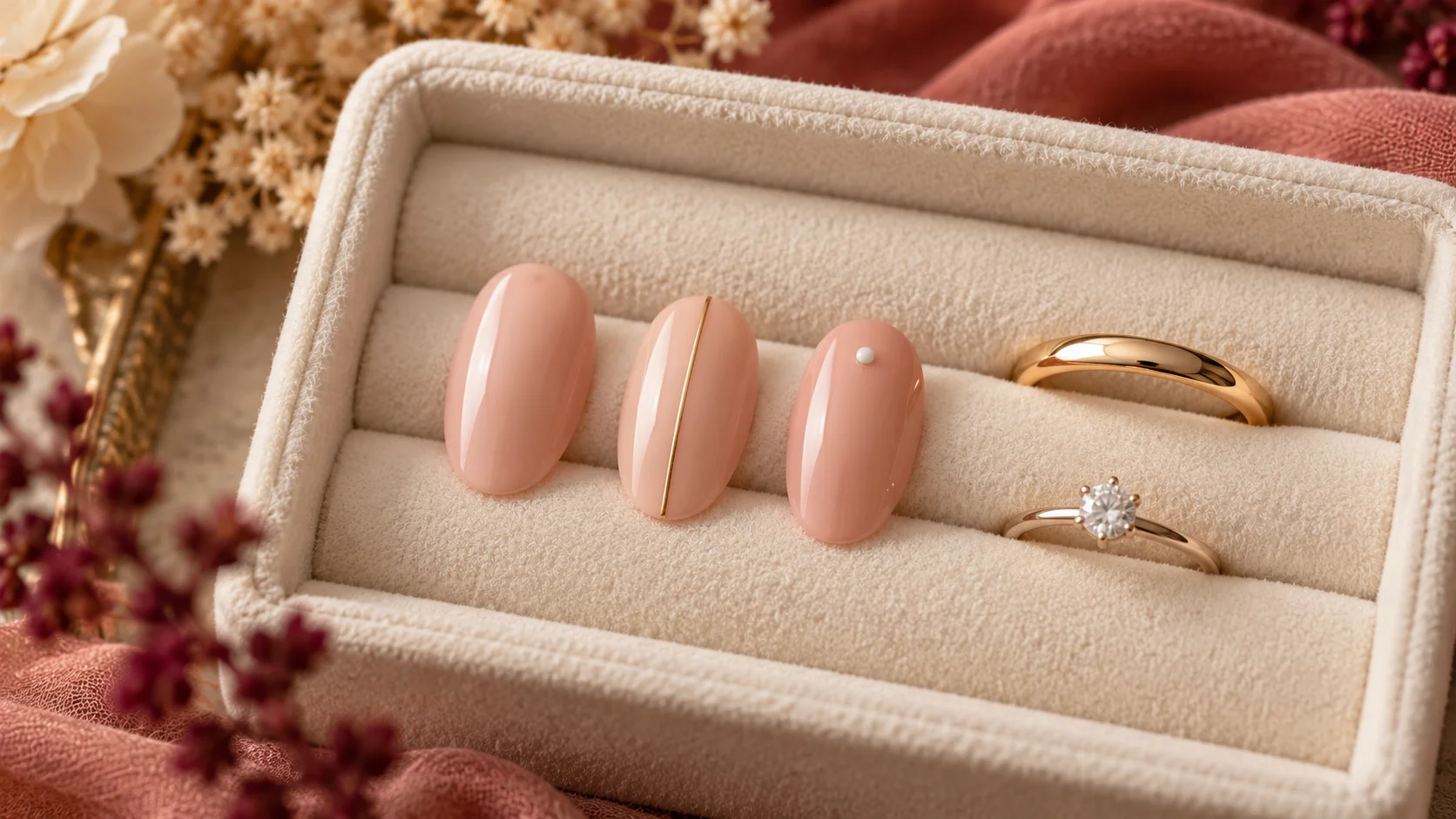
If you want artwork, confirm how many nails carry it and where it sits. One fine line and a full set of embellished nails are different briefs, even when both are described as subtle. Ask whether the detail will be painted flat or raised. Record any substitutions made because the original reference cannot be reproduced in the chosen system.
Separate a style adjustment from a service concern
A request for a warmer pink is different from reporting pain, lifting or irritation. Record these separately so the salon can understand what needs attention. Do not continue wearing an uncomfortable product just to complete a trial record or obtain more photographs. Discuss the issue promptly and seek appropriate medical advice when needed. For a purely visual adjustment, show one clear comparison and explain the desired change. This distinction keeps the final brief focused and avoids treating every concern as something that can be solved by covering it with another layer of colour.
| Check | Record | Decision afterwards |
|---|---|---|
| Colour and coverage | System, shade and intended transparency | Keep, lighten, deepen or change finish |
| Shape and length | Photographs and technician’s description | Keep or adjust a specific feature |
| Decoration | Placement, quantity and raised or flat | Retain, simplify or omit |
| Everyday use | Any task that felt difficult | Discuss an achievable adjustment |
| Service plan | Cost, appointment and removal arrangements | Confirm what is included |
Afterwards: test comfort without stress-testing nails
Go about normal activities and notice the small tasks that matter for your wedding. Fasten a similar clasp, use your phone, handle a zip and pick up a small object. You are checking whether the choice works for you, not deliberately bending extensions, scraping polish or trying to prove a wear claim. Stop and seek appropriate advice if a product causes a problem.
Look at the colour in daylight and indoor lighting, then take unfiltered photographs as a reminder. Write down your first impression before collecting opinions from several people. Advice can help, but the person wearing the manicure should remain central to the decision. If everyone prefers a different shade, return to the original question you wanted the trial to answer.
Record any visible change accurately. A note such as an edge chip after a particular ordinary activity is more useful than declaring that a whole system never lasts. One personal trial cannot establish average durability or guarantee wedding-day performance. Share the observation with the technician and discuss whether a different finish, shape or simpler plan would better suit your routine.
Turn the trial into a final appointment brief
Send or bring the agreed notes using the salon’s preferred process. Include the useful photographs and remove superseded inspiration pictures from the final set. A concise statement such as keep the pink and shape, shorten slightly, omit the raised accents communicates more clearly than a new collection of unrelated designs. Confirm that the intended products and appointment time are still available.
Plan a simple fallback if a particular decorative element cannot be supplied. It might be the same base colour without artwork, rather than a completely new system at the last moment. Find complementary style ideas in Seasonal & Bridal and general product explanations in Gel & BIAB. Keep the trial record somewhere accessible so the final choice remains straightforward.
To adapt the plan to related occasions and outfits, compare Spring Wedding Nails: Soft Colour and Small Detail Ideas, Engagement Photo Nails: Colour and Finish for Close-Up Pictures and Bridal Nail Jewellery: Keeping Rings and Manicure Details in Balance. For the underlying care, colour or service choice, see A Nail Care Checklist to Take to Your Next Salon Appointment.
Common questions
What should I take to a bridal nail trial?
Bring a small set of references with notes about the features you like, plus outfit or jewellery context where useful. Tell the salon about existing products that may need removal and any relevant previous problems. A focused question helps the appointment produce a clear decision.
How far ahead should I arrange a trial?
Arrange it early enough to discuss the result and make any agreed changes, using your technician’s availability and your wedding itinerary to set actual dates. There is no universal interval that suits every service. Confirm the final appointment separately instead of assuming the trial reserves it.
Do I need extensions to try a bridal shape?
Not necessarily. Start by discussing what can be achieved with your current length and what you feel comfortable wearing. If extensions are proposed, ask about the service, upkeep, price and removal before deciding. A bridal occasion does not automatically require additional length or a different system.
Can a trial prove that I will not have a reaction?
No. A cosmetic trial is not a medical safety assessment or a guarantee against a later reaction. Explain any previous product problems and current concerns before the service. Do not perform homemade skin patch tests with uncured gel or adhesive as part of wedding preparation.
What should I photograph after the trial?
Photograph the shape, colour and any artwork in ordinary daylight and indoor light without filters. Include outfit fabric or jewellery if that helps your decision. Record the exact system and shade separately, because a phone photograph can change colour and may not be enough to reproduce the result.
What if I like the colour but dislike the length?
Record those as separate decisions: keep the colour and request a specific length adjustment. Explain which activities felt awkward or which part of the outline you disliked. This gives the technician a clearer brief than discarding the whole look and replacing it with unrelated inspiration.
Should I deliberately test how strong the manicure is?
No. Notice how it feels during normal activities rather than bending, scraping or pulling at it. A personal trial can inform comfort and preference, but it cannot establish universal strength or wear performance. Report discomfort or other problems promptly instead of continuing for the sake of a test.
What belongs in the final appointment notes?
Record the chosen system, shade, coverage, shape, length and any artwork, together with the adjustments agreed after the trial. Add the confirmed price, appointment and removal arrangements. Keep only the relevant photographs so superseded design ideas do not confuse the final brief.
Sources and further reading
- Wella / OPI Education Team — Wedding-ready nails — checked 2026-10-23
- OPI UK — Bubble Bath Nail Lacquer — checked 2026-10-23
- American Academy of Dermatology — How to trim your nails — checked 2026-10-23