Quick-Dry Polish: How to Compare Application and Wear Instructions
Compare the complete routine behind a quick-dry claim, including coat count, optional layers and the separate wear promise.
Archive edition: 2026-05-25 · This is an editorial allocation, not the first-publication date.
Key takeaways
- Identify the exact range and shade.
- List required and optional layers separately.
- Keep drying and wear claims with their conditions.
- Follow the brush and coat instructions.
- Allow time for preparation and practical tasks afterwards.
In this guide
- Key takeaways
- Separate application time from drying time
- Compare the required layers
- Keep a one-coat instruction separate from a two-coat claim
- Understand built-in base and top-coat language
- Look at the brush as part of the routine
- Do not treat thick coats as a shortcut
- Avoid adding unverified drying tricks
- Compare wear without confusing it with speed
- Common questions
- Sources and further reading
A quick-dry label is only one part of a manicure routine. To compare products usefully, read how many colour coats are specified, whether separate layers are required and what the brand means by its drying and wear claims.
This guide compares instructions, not stopwatch results. We have not tested which polish dries fastest or lasts longest. The aim is to help you decide whether a product’s complete routine fits the time and finish you want.
Separate application time from drying time
A drying claim does not necessarily include removing old colour, preparing the workspace, shaping the nails or painting both hands. If you are planning a manicure before leaving home, those steps still belong in the time available.
Read where the product’s stated drying period starts. Is it described after a colour coat, after the full routine or simply in a headline? If the wording is unclear, do not turn it into a precise promise about the whole process.
Keep your own practical needs in view. You may want to fasten clothing, handle keys or work at a keyboard afterwards. This article does not establish one universal waiting time at which every fresh manicure is ready for every task.
Compare the required layers
Essie’s expressie range FAQ describes a two-colour-coat routine without a required separate base or top coat. It also names an optional finishing product. Those details are more informative than assuming every quick-dry polish uses a standard three-bottle routine.
If a system omits a layer, do not add one automatically from habit. If it permits a named optional product, check the instructions for that combination. An optional extra can change the practical sequence, even when the colour itself is marketed for speed.
Make a short list for each candidate: preparation, required colour coats, other required layers and optional additions. That lets you compare the actual work involved rather than only the largest time claim on the front of the bottle.
Keep a one-coat instruction separate from a two-coat claim
The checked OPI RapiDry page gives a one-thin-coat application step while associating a separate wear claim with two coats. Those statements address different parts of the product’s positioning.
Do not combine them into a new promise that one coat must deliver the stated two-coat wear period. Record the conditions with each claim. Where the directions leave a practical question unresolved, ask the brand about the exact product and shade.
The same page names Clearly Fast as an optional base and top coat. That is a product-specific option, not permission to introduce any clear polish you already own. Read the current bottle directions before building the final routine.
Understand built-in base and top-coat language
Sally Hansen’s Insta-Dri page positions the product as a three-in-one formula with base and top-coat functions and gives a one-coat, one-minute routine. Those are the manufacturer’s instructions and claims for the listed range.
The source is a US manufacturer page, so check the exact product supplied in your market. Do not assume a regional listing, limited collection or similarly named bottle has identical details without checking its label.
We have not verified a comparative durability advantage or tested the one-minute result. A manufacturer’s convenient routine can be useful information without becoming an independent recommendation that it is the fastest choice for everyone.
| Compare | Write down | Keep separate |
|---|---|---|
| Application | The required colour coats and named layers | Optional additions and unsupported combinations |
| Drying claim | The brand’s wording and any stated conditions | A promise about the total manicure time |
| Wear claim | Coat count and the routine linked to the claim | Drying speed and independent test results |
| Brush | Shape and the brand’s handling instructions | A guarantee of easy application on every nail width |
| Removal | The exact product’s method and supplies | Assumptions based on the word quick |
Look at the brush as part of the routine
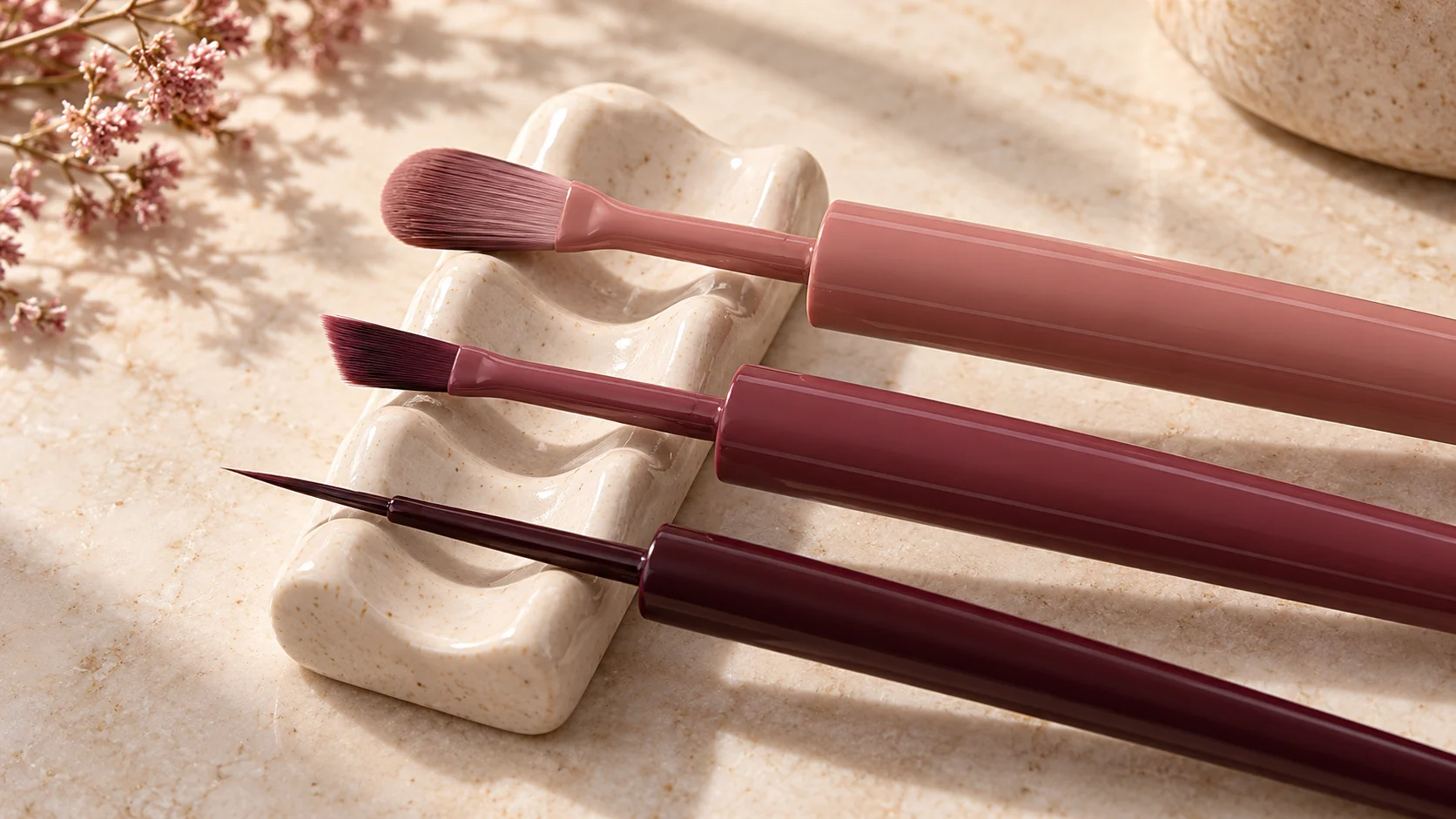
A product’s brush may be shaped to support its intended application. Expressie, for example, describes an angled brush and how to turn it for the other hand. Read that guidance rather than assuming every cap should be held in the same orientation.
Consider whether the brush shape is something you are comfortable using. A wide-looking brush is not automatically easier for every nail, and a product photograph does not tell you how it will feel in your grip.
If you are new to the range, allow time to understand the application before relying on it for a rushed event. A quick-dry formula does not remove the need to place the product carefully and follow the actual instructions.
Do not treat thick coats as a shortcut
Use the amount and coat sequence described by the manufacturer. If the directions call for a thin coat, combining several intended layers into one heavy application does not establish the same result or drying conditions.
Similarly, do not borrow a coat count from a review that used a different shade or finish. A sheer effect, shimmer and solid colour may create different visual expectations even within a range. Choose the intended appearance as well as the speed claim.
If you want more coverage than the product is designed to give, reconsider the shade or coverage category. This guide does not provide a universal extra-coat recipe that preserves every advertised quick-dry time.
Avoid adding unverified drying tricks
Do not assume cold water, a freezer, heat or a lamp belongs in the routine because someone uses it with another polish. The product’s directions are the relevant starting point, and this comparison has not tested household drying methods.
A drying drop or spray is also a separate product with its own instructions. Check whether it is appropriate for the selected colour system and when it should be used. It should not be confused with a top coat merely because it is applied near the end.
If a claim is unclear, ask the manufacturer what the stated time refers to. That is more useful than stacking several unverified shortcuts and then trying to determine which one affected the manicure.
Compare wear without confusing it with speed
Drying quickly and remaining intact over several days are different outcomes. A product can be marketed for both, but one claim does not prove the other. Keep any advertised wear period and its conditions in a separate part of your comparison.
Do not turn a maximum wear claim into a personal forecast. Your decision can instead focus on the required routine, preferred shade and removal process. We have not performed wear trials or established an average across users.
For your own future reference, note the exact product and routine used rather than only writing “quick-dry red”. That makes a later purchase or question more specific without presenting one experience as a universal result.
Read the whole time-saving routine
- Identify the exact range and shade.
- List required and optional layers separately.
- Keep drying and wear claims with their conditions.
- Follow the brush and coat instructions.
- Allow time for preparation and practical tasks afterwards.
Explore the Polish & Tools guides for more help choosing a manageable routine. A clear sequence is more useful than treating a quick-dry headline as a guarantee about every stage of the manicure.
To compare the connected product and routine choices, read Regular Nail Polish vs Gel-Like Polish: What the Labels Mean, Nail Polish Brush Shapes: Wide, Rounded and Fine Brushes Compared and Base Coat vs Top Coat: Why the Jobs Are Different. For the related care or design question, see Choosing a Comfortable Nail Length for Work, Sport and Hobbies.
Common questions
Does a sixty-second claim cover the whole manicure?
Do not assume it includes preparation, painting both hands or every task afterwards. Read what the manufacturer says about the point at which drying is measured. If the claim’s conditions are unclear, ask about the exact product rather than turning a headline into a complete appointment length.
Which quick-dry polish is fastest?
This guide has not carried out stopwatch or comparative drying tests, so it does not name a winner. It compares the stated routines and claims. Required coats, optional layers and application instructions are useful buying information without being independent evidence of the fastest result.
Should I add my usual base and top coat?
Check the selected range first. Some quick-dry systems do not require separate layers, while others name optional compatible products. Do not add bottles automatically from another routine or assume that doing so preserves the original drying claim under the same conditions.
Can I use one thick coat instead of two thin coats?
Follow the product’s actual coat instructions rather than combining layers to save time. A heavier application does not establish the same drying conditions or finish. If the chosen coverage does not suit your design, reconsider the product instead of inventing a universal shortcut.
Does fast drying mean longer wear?
Drying speed and wear over subsequent days are different outcomes. A manufacturer may advertise both, but one claim does not prove the other. Keep any wear period with its coat-count and routine conditions, and avoid treating it as a forecast for every wearer.
Are drying drops the same as a top coat?
They are separate product types with their own intended use. Read when and how a drying aid should be applied, and whether it is appropriate for the chosen polish system. Do not substitute it for a required finishing layer simply because both are used near the end.
Should I use cold water or a lamp to speed things up?
Do not introduce an unverified shortcut into the routine. This guide has not tested household drying methods, and a lamp is not automatically appropriate for an air-drying product. Follow the manufacturer’s instructions and resolve an unclear drying claim with the brand.
What makes a quick-dry comparison useful?
Record the exact product, required coats, optional layers, brush instructions, drying wording and separate wear claim. Include removal requirements as well. That shows whether the complete routine fits your needs more clearly than comparing only the shortest number printed in the marketing headline.
Sources and further reading
- Essie — Expressie quick-dry range — checked 2026-10-22
- OPI UK — RapiDry Proceed with (No) Caution — checked 2026-10-22
- Sally Hansen — Insta-Dri — checked 2026-10-22