Choosing a Comfortable Nail Length for Work, Sport and Hobbies
Choose a practical nail length around daily tasks, equipment, shape and upkeep, with no universal measurement.
Archive edition: 2026-08-03 · This is an editorial allocation, not the first-publication date.
Key takeaways
- Requirements: confirm workplace or activity rules.
- Tasks: identify what your fingertips need to do.
- Shape: agree the outline and length together.
- Upkeep: choose a service you can maintain comfortably.
In this guide
- Key takeaways
- Start with requirements before styling preferences
- List the tasks that involve your fingertips
- Discuss shape and length together
- Make conservative changes to natural nails
- Include maintenance in the choice
- Separate discomfort from ordinary preference
- Requirements, tasks, shape, upkeep
- Write a brief that a provider can use
- Common questions
- Sources and further reading
A comfortable nail length is one that fits the tasks you actually perform and the upkeep you want. There is no single measurement that works for every hand, job, sport or hobby. Begin with your requirements and normal activities, then choose a length and outline that you can manage without repeatedly changing how you use your hands.
This guide is a practical planning tool rather than a rulebook for an occupation or sport. Check current requirements with your workplace, coach or activity provider where relevant. Individual clinical advice also takes priority if a nail is painful, damaged or otherwise changed.
Start with requirements before styling preferences
Some activities have explicit rules about nails, enhancements or protective equipment. Find out what applies to your actual role rather than relying on a general internet statement about an entire industry. A requirement for one workplace or competition should not be assumed to govern every other setting.
If the policy is unclear, ask a practical question: what length or type is permitted, and does the rule cover natural nails, polish and enhancements differently? Keep the answer with your booking notes if it affects a planned manicure. Do not ask a salon to guess the requirements of your workplace.
Where gloves or equipment are required, the manicure must work with the approved setup. Do not alter protective equipment or ignore a rule to preserve a chosen length. Discuss the limitation before the service so it can inform the design.
List the tasks that involve your fingertips
Think beyond typing. You might fasten small buttons, handle contact-lens supplies, play an instrument, sew, work with tools or assist someone with personal care. Write the few activities that matter most to you rather than trying to list everything a hand can do.
Notice what happens at your current length. Does a tip contact a key before the finger pad, catch on a fastener or make a familiar grip awkward? Describe the task and the observation without assuming that another person’s preferred length will solve it.
Choose one ordinary low-risk activity as a practical comparison after a routine length adjustment. Do not use hazardous equipment, contact sport or an awkward lifting task as a trial. Safety requirements should already be settled before the manicure becomes part of the activity.
Discuss shape and length together
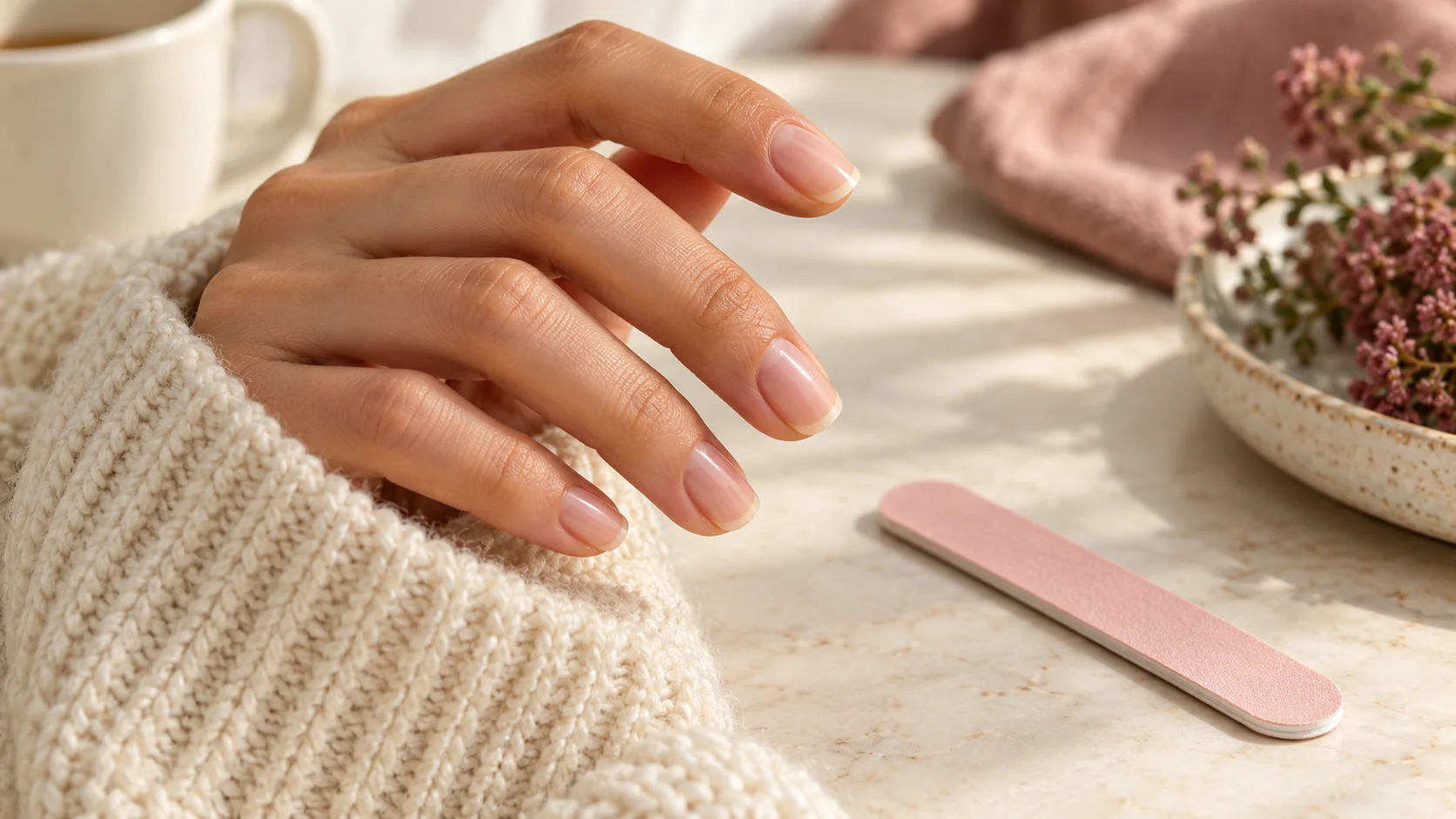
A short square outline and a short rounded outline can feel different at the corners even when the tips end at a similar point. A longer tapered shape changes the available free edge and the visual proportions. Treat outline and length as separate choices that need to work together.
OPI’s nail-shape guide provides examples of common outlines such as round, oval, square and squoval. Use those names to communicate an appearance, not as proof that a particular outline is medically best or guaranteed to suit every activity.
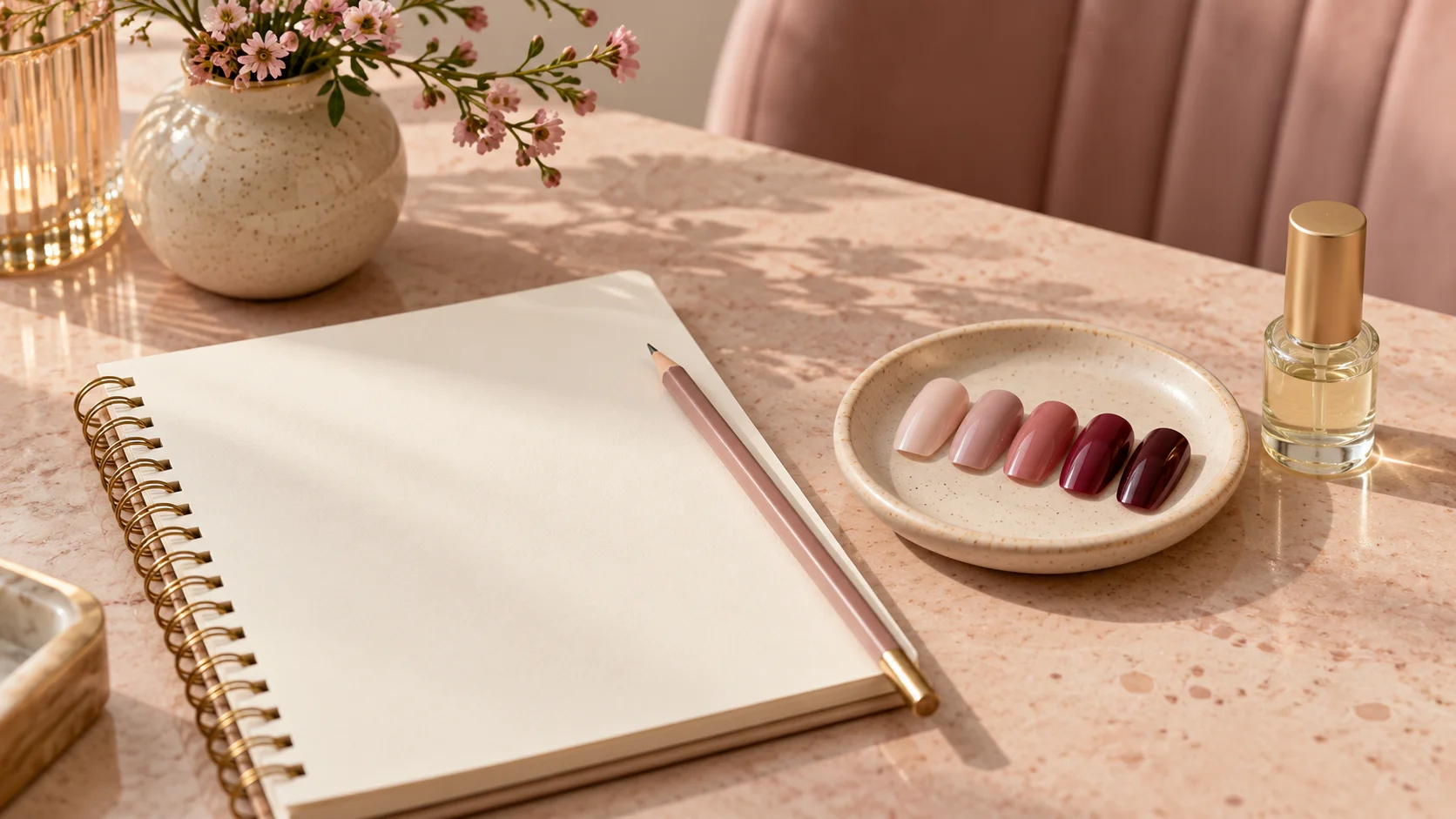
Bring a reference close to the intended length. A design photographed on very long nails may need different spacing when shortened. Explain which part matters most: the colour, the outline, the decoration or the overall length. That helps the provider adapt the idea without copying every proportion literally.
| Priority | What to consider | Useful next step |
|---|---|---|
| Work requirements | Actual policy and equipment | Confirm rules before booking |
| Fine tasks | Comfort with buttons, keys or familiar tools | Describe the specific difficulty |
| Sport or hobbies | Current activity requirements and grip | Ask the relevant provider rather than guessing |
| Aesthetic preference | Shape, colour and design proportions | Use a reference near the intended length |
| Maintenance | Time, budget and product system | Choose an upkeep plan you can follow |
Make conservative changes to natural nails
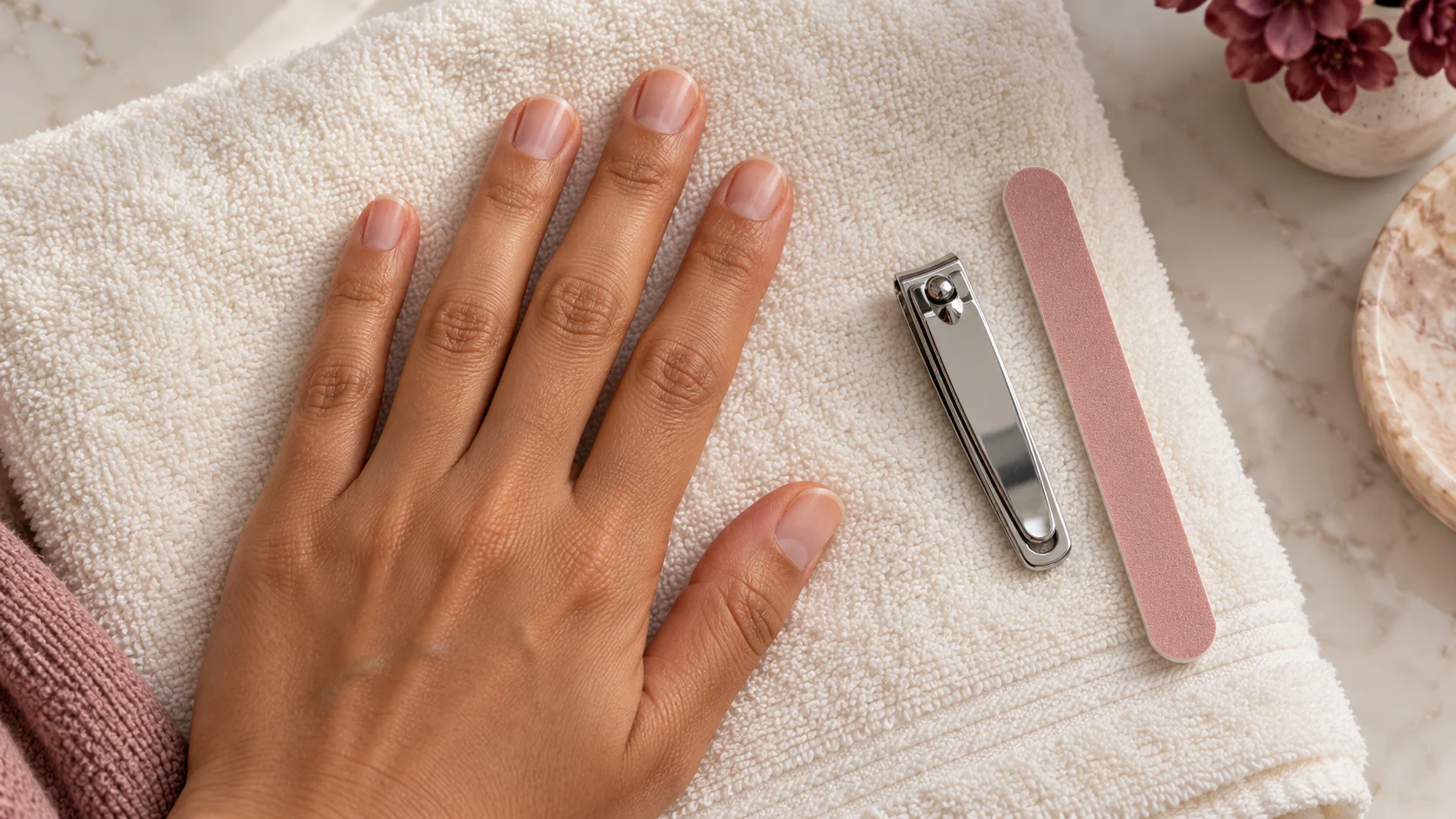
The AAD’s trimming guidance describes cutting fingernails almost straight across and gently finishing the corners. Its routine approach is different from repeatedly filing the sides to force a dramatic shape. Keep ordinary adjustments controlled and comfortable.
You do not have to make a large change in one session. Explain the minimum practical change you want, then look at the result before deciding whether more is needed. If a professional is doing the shaping, ask to agree the intended endpoint before shortening begins.
This natural-nail grooming advice is not a removal method for an enhancement. If a product is present, confirm the appropriate process with the provider. Do not use ordinary clippers or a file on an unfamiliar system simply because you want a shorter result immediately.
Include maintenance in the choice
A length may look appealing on appointment day but require upkeep you do not want to organise. Ask how the service will be maintained, what to do if the appointment is delayed and how removal works. Save the product details so those questions remain answerable later.
Consider your budget and available time honestly. A simpler, shorter look can be a deliberate choice rather than a temporary compromise. You can still use colour, gloss or small details to create a finished manicure within the practical outline you prefer.
If your routine changes seasonally, review the choice then. A new role, instrument lesson or sport may change what feels manageable. You do not need to preserve the same length indefinitely because it suited a previous period of life.
Separate discomfort from ordinary preference
There is a difference between finding a manicure inconvenient and having a painful or changing nail. Mayo Clinic advises seeking professional input for persistent nail problems or changes associated with other symptoms. Do not assume discomfort must be solved only by choosing another shape.
Tell the provider or clinician where the problem occurs, when it began and whether it is related to a particular task. Include lifting, colour change or surrounding skin symptoms if present. Avoid repeatedly pressing or bending the nail to demonstrate the issue.
A practical manicure consultation can discuss outline and length, while a health concern may need assessment elsewhere. Keep those roles clear and do not let an upcoming event become a reason to ignore a new problem.
Requirements, tasks, shape, upkeep
- Requirements: confirm workplace or activity rules.
- Tasks: identify what your fingertips need to do.
- Shape: agree the outline and length together.
- Upkeep: choose a service you can maintain comfortably.
Write a brief that a provider can use
Try: “I want short softly squared nails, enough room for this small design, and a length that works with my everyday tasks. My workplace has these requirements.” Add the actual policy where relevant rather than a guessed measurement. Show one main reference and identify the feature you care about most.
After living with the result, note what felt comfortable and what you would change. Specific observations help refine the next appointment without chasing a universal ideal. Browse our Nail Care section for related grooming and maintenance guidance, and keep the final choice grounded in your own hands and daily life.
For the related parts of your care routine, read How to Trim and File Natural Nails Without Overdoing It, Why Nails Split at the Edges and How to Reduce Snagging and A Nail Care Checklist to Take to Your Next Salon Appointment. For the relevant product or service decision, see Almond, Oval or Squoval: A Visual Guide to Nail Shapes.
Common questions
Is there one best nail length for everyone?
No single measurement covers every hand, task and activity. Start with any actual requirements, then consider comfort, shape and upkeep. A reference photograph can communicate a preference, but it cannot establish what will work with your equipment or daily routine.
Should I ask the salon about my workplace nail policy?
Confirm the policy with your workplace first and share the relevant requirements with the provider. The salon should not have to guess rules for your role. Ask whether the policy distinguishes natural nails, polish and enhancements if that affects the planned service.
Can nail shape matter even at the same length?
Yes, the outline and corners can change how a manicure looks and feels during tasks. Discuss length and shape together, using a reference close to your intended result. A shape name describes an appearance rather than guaranteeing suitability for every activity.
How can I compare a length safely?
Notice its effect during familiar low-risk tasks rather than testing it with hazardous equipment or contact activity. Safety rules and equipment requirements should already be settled. Record a specific inconvenience, such as contact with a key, so the next adjustment can address it.
Can I clip an enhancement as if it were a natural nail?
Do not assume ordinary natural-nail grooming instructions apply to an unfamiliar product system. Ask the provider how to achieve the shorter result appropriately. Keep the service details available, especially if another salon will perform the adjustment or removal.
Does a shorter length have to look unfinished?
No. A shorter outline can be an intentional style with colour, gloss or small decoration. Choose design proportions that fit the available space rather than copying a very long-nail reference exactly. Practicality and an appealing finished look can be considered together.
What if my nails hurt during a task?
Pain is different from finding a length inconvenient. Describe where it occurs, when it began and any accompanying change, and seek appropriate advice. Do not assume a shape adjustment alone will answer the concern or repeatedly press the nail to demonstrate it.
What should I tell the provider at the next appointment?
Give a few concrete observations about tasks, comfort and upkeep, alongside any requirements or clinical advice. Explain which feature of the reference matters most. This makes the brief more useful than asking for a universally ideal length or an exact copy of a photograph.
Sources and further reading
- OPI — Finding the best nail shape for your hands — checked 2026-10-21
- AAD — How to trim your nails — checked 2026-10-21
- Mayo Clinic — Healthy fingernails — checked 2026-10-21