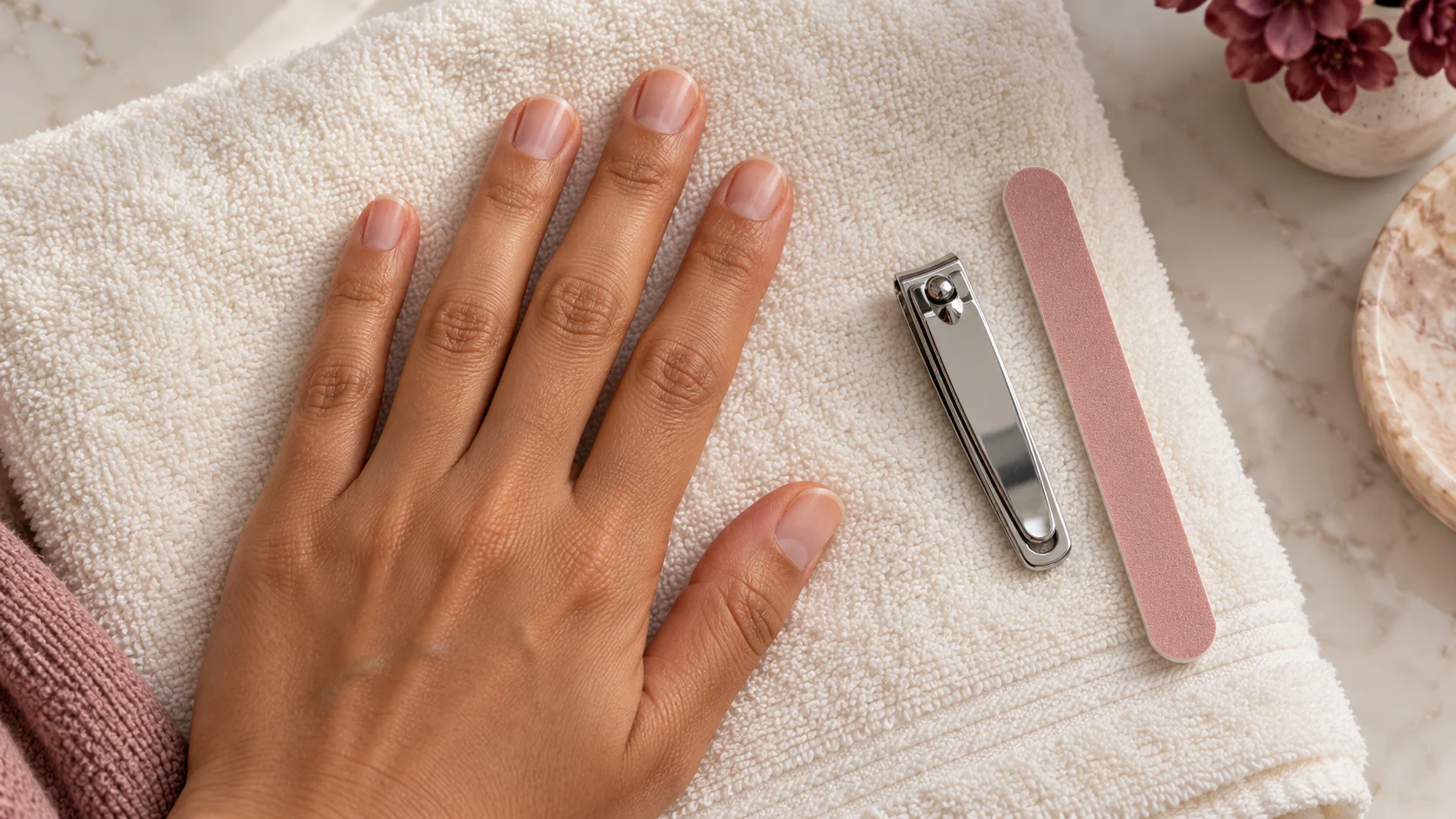
Nail Care for Gardening: Gloves, Cleaning and Simple Protection
Organise gloves, tools and handwashing around gardening jobs, then make nail care a simple part of tidying up.
Archive edition: 2026-08-25 · This is an editorial allocation, not the first-publication date.
Key takeaways
- Prepare: match equipment to the gardening job.
- Protect: use suitable gloves and follow product instructions.
- Wash: finish with handwashing before food.
- Put away: care for equipment and review any problem.
In this guide
- Key takeaways
- Set up for the job you are actually doing
- Choose gloves by function and fit
- Let tools do the scraping and opening
- Build handwashing into the finish
- Keep nail cleaning gentle
- Make storage part of the next session
- Prepare, protect, wash, put away
- Make a compact allotment checklist
- Review the routine when the season changes
- Common questions
- Sources and further reading
Gardening-friendly nail care begins before you open the compost bag. Put the right gloves and tools within reach, decide where you will wash your hands, and make tidying up part of the job. That small amount of preparation is usually more useful than trying to remove every trace of soil with a manicure tool afterwards.
The aim is to enjoy the garden while keeping nail care straightforward. A weekend potting session, pruning thorny stems and handling a garden chemical are different tasks. Treat the activity as the starting point for protection rather than choosing one attractive pair of gloves and assuming it covers everything.
Set up for the job you are actually doing
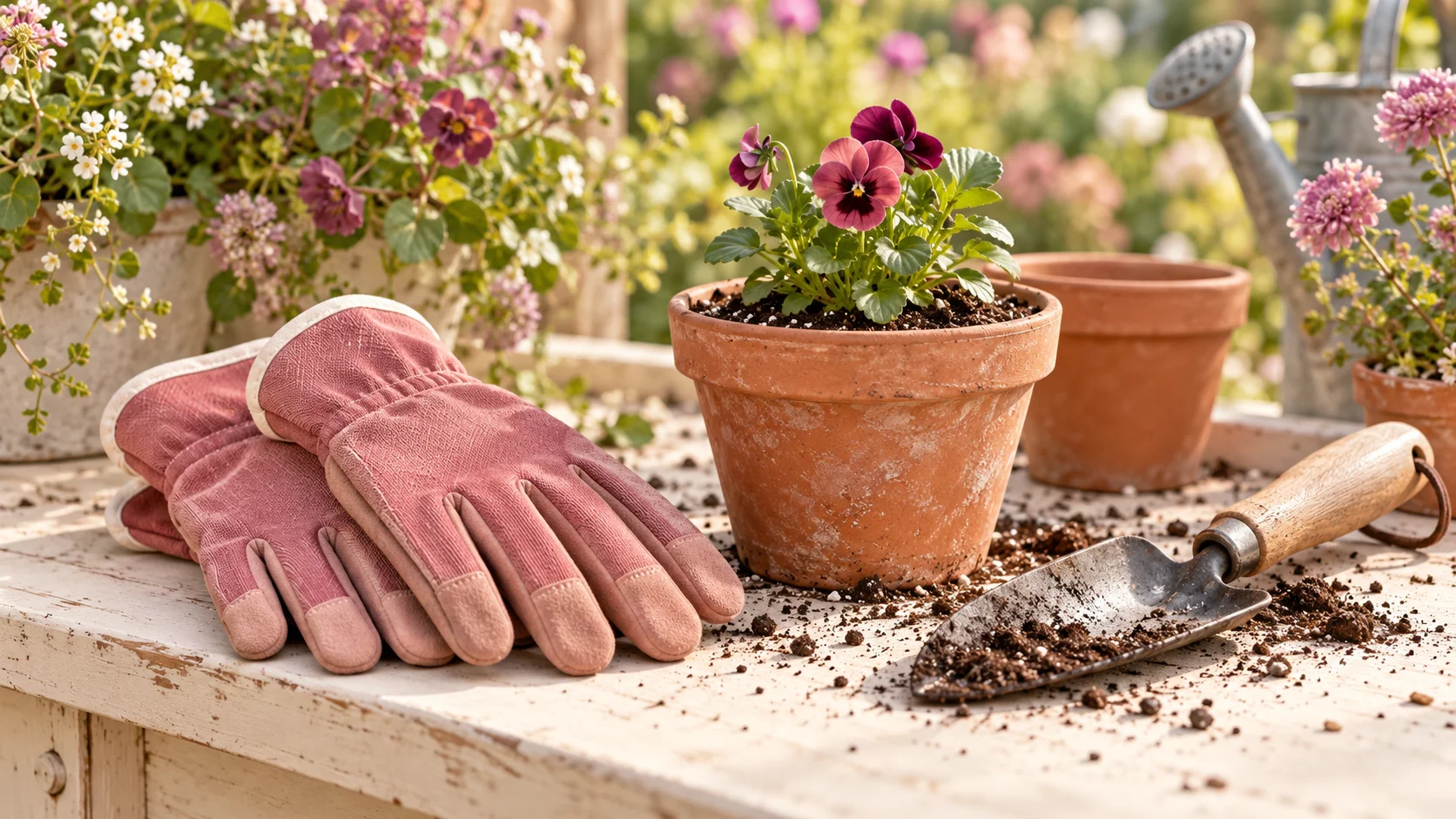
List the main activity before collecting supplies. For repotting, you might need pots, compost, a scoop and a surface that is easy to clear. For pruning, the plant and cutting equipment change the preparation. For a product application, the label and safety directions determine what belongs in the setup.
The RHS recommends gloves when handling soil and compost and describes additional protection for particular gardening activities. Its guidance is broader than manicure care: nail appearance should never determine which precautions you take for the task.
Arrange a practical stopping point as well. Know where you will put dirty equipment, remove gloves and wash before touching food or returning to indoor jobs. If you are at an allotment, plan around the washing facilities that are actually available rather than discovering the limitation at lunchtime.
Choose gloves by function and fit
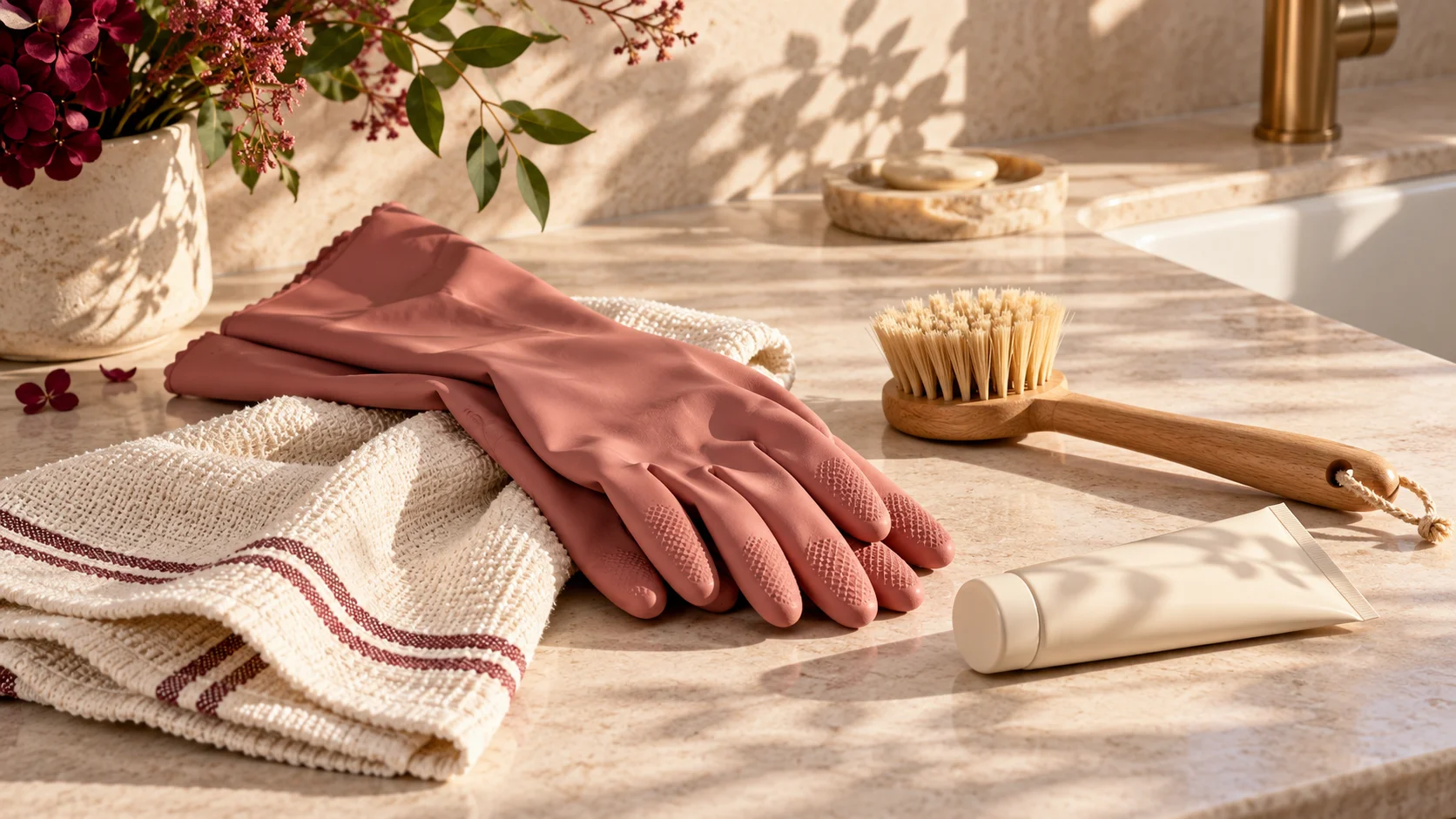
A glove must suit both the task and your hands. Check its condition, instructions and fit before beginning. A loose fingertip can make delicate work awkward, while a cramped fit may be uncomfortable. If the gloves do not work with a tool’s safe operation, resolve that problem before using the tool.
For chemicals, consult the product’s directions and specified protection. HSE guidance on preventing skin problems emphasises choosing protection for the exposure involved. A fabric gardening glove is not evidence of chemical resistance, and a photograph in a beauty article cannot establish suitability.
Keep different gloves recognisable if you use more than one type. Store their instructions with the relevant equipment, and follow the maker’s care or replacement guidance. Do not transfer a glove used for an unsuitable task into the general gardening pile simply because it looks clean.
| Activity | Prepare first | Useful habit |
|---|---|---|
| Potting and compost | Suitable gloves and a scoop | Use the tool instead of fingertips to dig |
| Pruning | Plant-specific precautions and equipment | Keep attention on the cutting task |
| Garden products | Label directions and required protection | Do not assume any glove will do |
| Finishing work | A place for equipment and handwashing | Clean up before food or indoor tasks |
Let tools do the scraping and opening
A fingernail can seem convenient for lifting a pot label, teasing apart a tightly folded packet or scraping dried compost from a container. Put a suitable tool in the work area instead. Choosing it before your hands are occupied makes the alternative easier to remember.
For small tasks, think about the exact action. A scoop handles compost; a suitable opener deals with packaging; a plant label can make a seed-row marker. Do not improvise with sharp objects near your fingertips merely to protect the manicure. The equipment still needs to be appropriate for its purpose.
If a decorative length regularly interferes with gardening, discuss the practical limitation at your next nail appointment. You can choose a shorter outline or adjust the service around a busy gardening period. There is no universal nail measurement that makes every gardening activity manageable.
Build handwashing into the finish
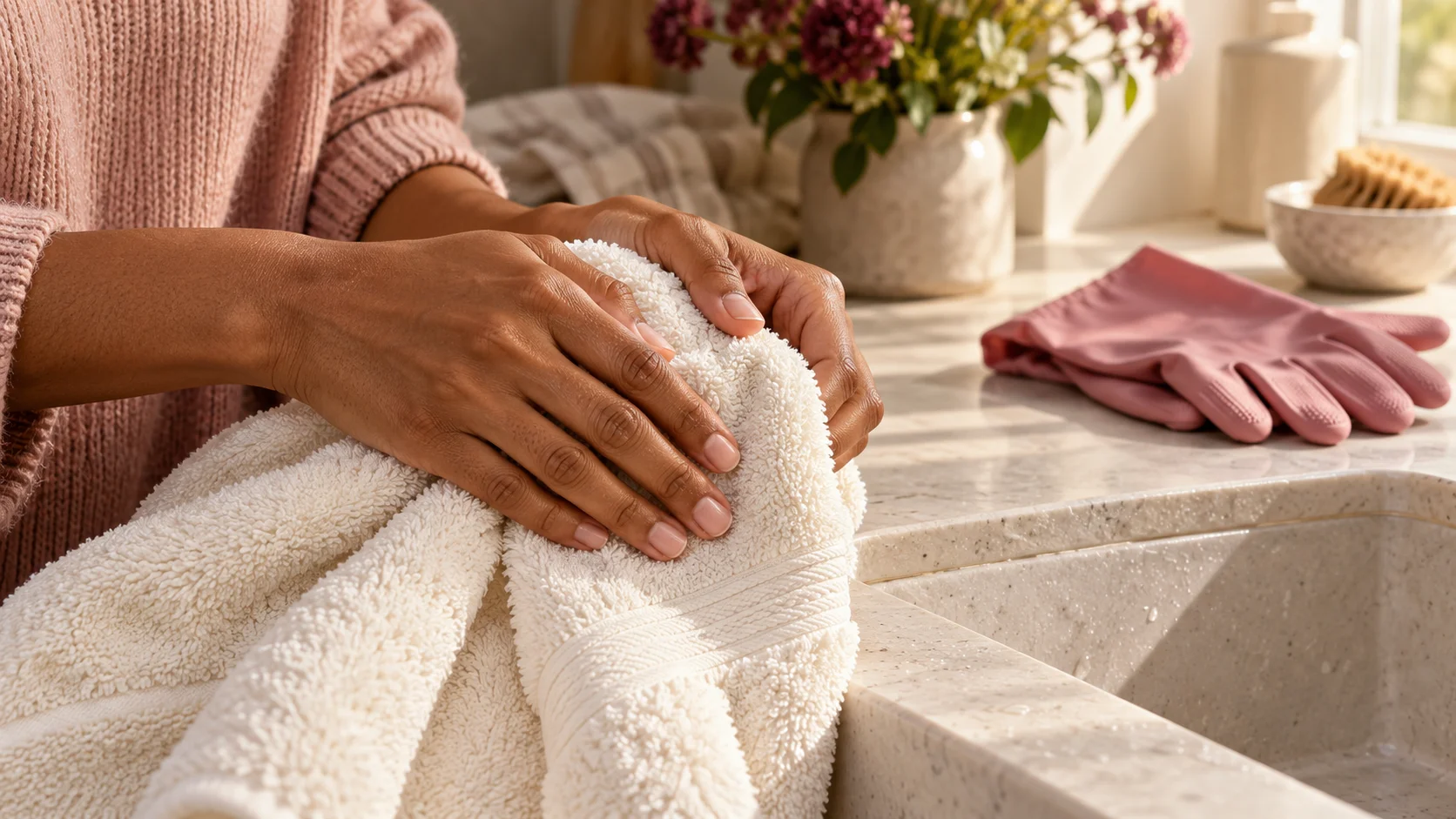
The RHS advises washing hands after gardening, especially before eating. Make that transition deliberate: finish the dirty task, set equipment down and use the available handwashing facilities. Gloves are part of the work setup, not a reason to omit the washing step afterwards.
Allow enough time for the whole tidy-up. Rushing from potting straight into preparing lunch creates an avoidable conflict between the two jobs. A towel, a clear sink area and a planned place for the gloves can help the routine happen without turning it into an elaborate ritual.
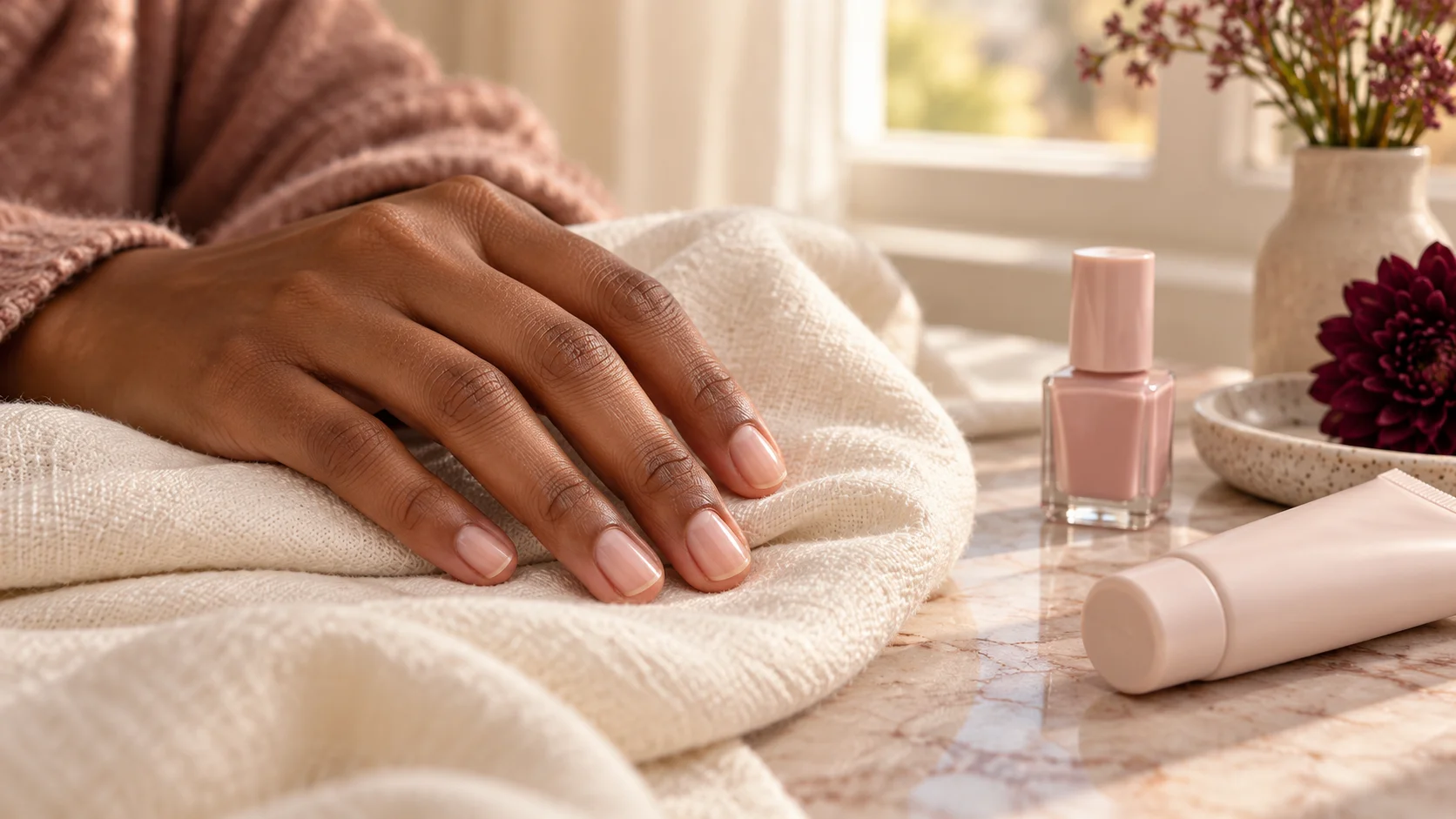
After washing, look at the nails in normal light. The goal is ordinary cleanliness and comfort, not a photographically perfect underside. Avoid repeatedly checking under magnification and escalating to sharper tools because a small shadow still looks like dirt.
Keep nail cleaning gentle
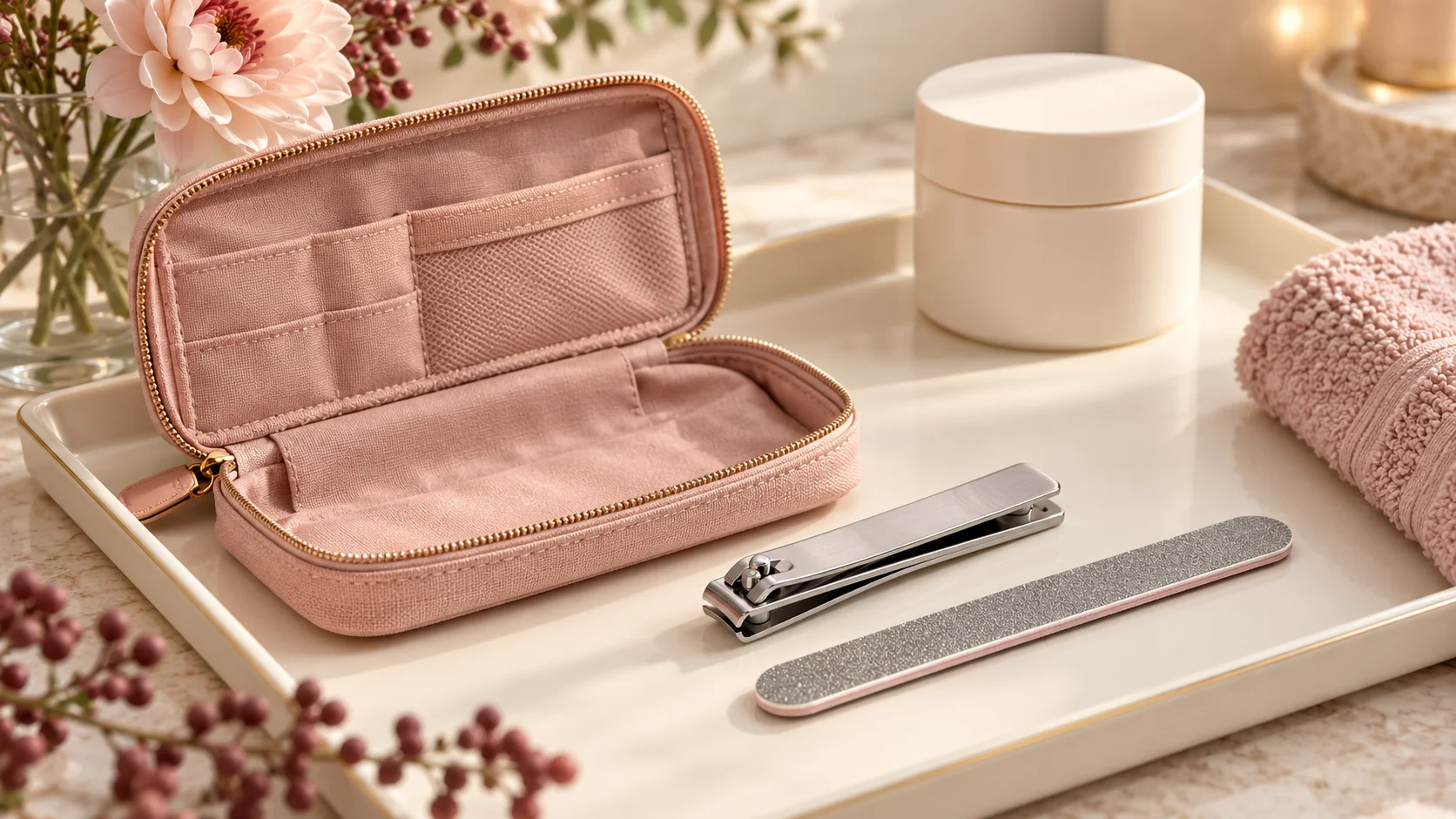
The NHS advises against using sharp objects to clean beneath nails. A pointed manicure implement is not a good substitute for a sensible washing routine. Do not dig deeply under the tip or cut away surrounding skin to create a cleaner-looking border.
If something appears embedded or a spot is painful, treat that as a separate concern rather than an invitation to keep scraping. Explain the gardening task and what happened when seeking suitable advice. This guide does not provide a splinter-removal or wound-treatment procedure.
Use your usual tolerated hand-care product after the clean-up if it fits your routine. Keep garden chemicals and cosmetics clearly separate. A bottle that belongs in the shed should never be repurposed as a nail cleaner because its label mentions removing stains.
Make storage part of the next session
Follow care instructions for gloves and tools, and put them away in the intended condition. A dedicated place makes it easier to notice when something is missing, damaged or still needs attention. Avoid burying a used glove beneath clean towels where it will be forgotten until the next weekend.
Keep a small replacement list rather than buying a large new kit at once. If one glove type does not fit well, note the task and the problem. If opening packets is the repeated difficulty, solve that particular step with suitable equipment rather than blaming your nails for the entire routine.
Prepare, protect, wash, put away
- Prepare: match equipment to the gardening job.
- Protect: use suitable gloves and follow product instructions.
- Wash: finish with handwashing before food.
- Put away: care for equipment and review any problem.
Make a compact allotment checklist
For a trip away from home, add hand-care logistics to the normal gardening list. Check where water and handwashing facilities are available, take the equipment needed for the planned tasks and keep food away from the active potting area. Decide how used gloves and tools will travel home without being mixed into clean personal belongings.
Do this before leaving rather than relying on whatever happens to be in the shed. A missing scoop, unsuitable glove or unavailable washing area may mean changing the day’s task. That is a practical planning decision, especially when you are sharing facilities with others. Keep a short note after the visit about what was missing. The next trip then starts with a concrete improvement instead of a longer list of products that may not address the actual difficulty.
Review the routine when the season changes
Spring sowing, summer watering and autumn clearing do not involve identical work. Revisit the setup when the tasks change, particularly if you introduce a new product or tool. The most useful routine is one that follows the real activity rather than a fixed beauty timetable.
Note any persistent discomfort or nail change and seek advice instead of hiding it under a new finish. For everyday grooming between sessions, browse our Nail Care section. Keep the garden plan practical: suitable equipment first, gentle cleaning afterwards and a manicure that works with the way you use your hands.
For the related parts of your care routine, read How to Protect Your Nails During Cleaning and Washing Up, A Simple Nail Care Routine for Hands That Are Often in Water and How to Keep a Personal Manicure Kit Clean and Organised. For the relevant product or service decision, see An At-Home Manicure Toolkit: What to Buy and What You Can Skip.
Common questions
Are any gardening gloves suitable for every job?
No single appearance or material description establishes suitability for all gardening tasks. Check the activity, product directions and glove instructions. Protection for compost handling, thorny plants and chemicals can involve different requirements, so choose for the actual job before beginning.
Can gloves replace handwashing after gardening?
Include handwashing in the finishing routine even when gloves were used. Plan access to facilities before the session, especially when working away from home. Keep the transition to food preparation or eating separate from the dirty equipment and potting area.
How short should gardening nails be?
There is no universal measurement in this guide. Choose a manageable length around your equipment, gloves and normal tasks, and discuss practical difficulties at a manicure appointment. Nail appearance should not determine whether you use the protection required for the work.
Should I scrape soil from under my nails?
Avoid digging beneath nails with sharp implements. Use a gentle washing routine and do not chase a photographically perfect underside. If something seems embedded or is painful, seek suitable advice rather than continuing to scrape with a manicure tool.
What belongs in an allotment hand-care plan?
Establish access to handwashing, suitable gloves for the planned task and a way to keep used equipment separate from clean belongings. Plan food breaks around that setup. A small checklist based on the real facilities is more useful than a generic kit.
Can hand cream act as protective gloves?
Do not treat a cosmetic as a substitute for task-appropriate protection. Follow the activity and product instructions when choosing equipment. Your usual tolerated hand-care product can belong in the aftercare routine, but it does not decide which precautions the gardening task requires.
What if my manicure makes gloves awkward?
Resolve the fit or manicure issue before doing the task. Do not alter required protection simply to preserve a chosen length. A provider can discuss a more manageable outline, while the glove maker or relevant safety guidance addresses equipment suitability.
How can I make the routine easier next time?
Note one concrete problem after each session, such as a missing scoop or unclear washing arrangements. Fix that step before buying extra products. Keep gloves and tools in an organised place and update the setup when the seasonal gardening tasks change.
Sources and further reading
- RHS — Reducing health risks in the garden — checked 2026-10-21
- HSE — Preventing skin disease — checked 2026-10-21
- NHS — Nail problems — checked 2026-10-21