Regular Nail Polish vs Gel-Like Polish: What the Labels Mean
Read the product system and instructions to distinguish air-drying lacquer, gel-like finishes and lamp-cured gel.
Archive edition: 2026-04-26 · This is an editorial allocation, not the first-publication date.
Key takeaways
- Identify the full product range.
- Check whether it dries or requires a specified curing system.
- Confirm the supported base and top layers.
- Read removal instructions before purchase.
- Resolve conflicting directions with the manufacturer.
In this guide
- Key takeaways
- Start with three practical categories
- What regular lacquer instructions look like
- What “gel-like” can mean on a lacquer
- Keep gel couture separate from lamp-cured gel
- Do not mix systems by matching their appearance
- Match the purchase to the routine you want
- Read removal before choosing the colour
- Check the current bottle when pages disagree
- Common questions
- Sources and further reading
A bottle can promise a gel-like finish without being a lamp-cured gel polish. The useful distinction is the product system and its instructions: how it is applied, whether it needs a specified lamp and how it is removed.
Read those details before buying accessories or combining bottles. Words such as “gel”, “longwear” and “shine” can appear in different product names, so the front label alone may not tell you how the manicure works.
Start with three practical categories
Traditional nail lacquer is a polish system that dries without the lamp-curing step required by a light-cured gel. A gel-like lacquer can also dry without that step while being marketed for a particular finish or wear profile. A lamp-cured gel requires the compatible equipment and procedure specified for that system.
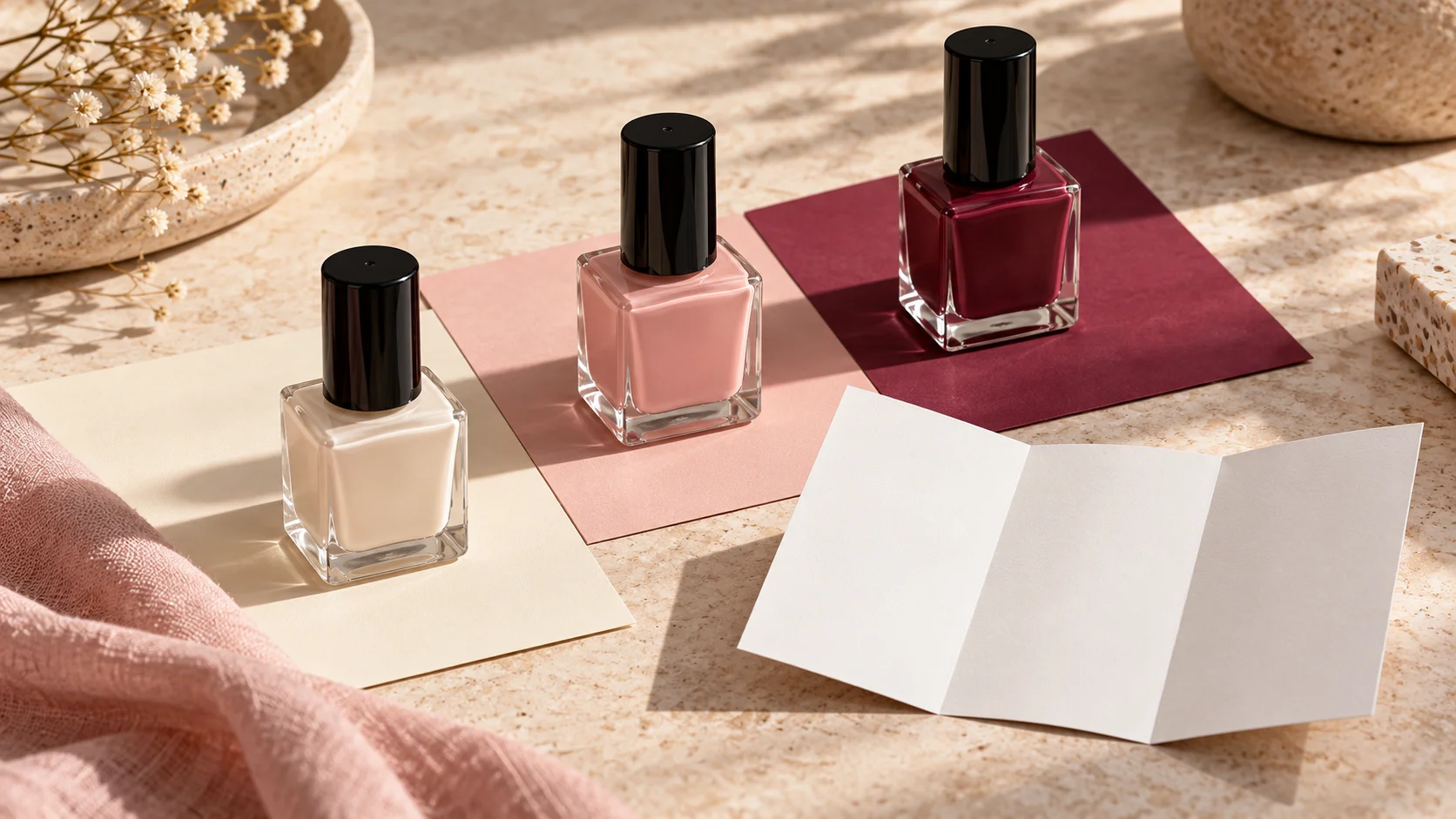
Those categories help you ask the right questions, but they are not a substitute for reading a particular bottle. Do not identify a formula solely by the colour of its packaging, the shape of its cap or whether the polish is visible through the glass.
Keep the range name with the shade name. A familiar colour may be sold in more than one formula, and a search result for the colour can lead to a different system from the one you intended to buy.
What regular lacquer instructions look like
OPI’s Bubble Bath Nail Lacquer page identifies the product as a lacquer and gives a routine with its named base coat, colour and top coat. That is a useful example of checking the whole system rather than just recognising the shade.
Read the directions on the actual product for preparation, application and drying. Avoid importing a cure time from a gel tutorial or assuming a lamp will make ordinary lacquer follow a gel process. Equipment is not a shortcut around the formula’s instructions.
Also distinguish a drying claim from a promise that the surface cannot be marked. This guide does not assign a universal time at which every lacquer manicure is ready for every activity. Allow the product’s stated drying process and plan practical tasks accordingly.
What “gel-like” can mean on a lacquer
OPI Infinite Shine It’s a Girl is described as a gel-like lacquer that does not need a lamp. Its directions name an Infinite Shine base and top coat. The finish language does not convert it into the separately instructed GelColor system.
The exact product wording matters more than a general rule about the word “gel”. If the brand says no lamp is required and gives a drying routine, follow that routine. Do not add a curing step because the result is intended to resemble a gel manicure.
A claimed maximum wear period remains a manufacturer claim under stated conditions. It is not an independent comparison showing that every gel-like lacquer will outlast every traditional lacquer on every wearer. We have not performed that kind of test.
Keep gel couture separate from lamp-cured gel
Essie’s UK gel guide distinguishes its lamp-cured gel service from the gel-like gel couture range. The latter has its own colour-and-top-coat process. A shared word in the names does not make the products interchangeable.
This also shows why a universal instruction such as “all polish needs the same base coat” is unhelpful. Different systems can specify different layers. Follow the current directions for the range instead of adding steps simply because they appear in another manicure routine.
When asking a salon or seller a question, use the full range name. “Is this Essie gel?” can leave ambiguity. “Is this gel couture lacquer or the lamp-cured system?” gives the other person a clearer question to answer.
| Product description | What to verify | What not to infer |
|---|---|---|
| Traditional nail lacquer | Its named layers, drying and removal directions | That a lamp will turn it into a gel manicure |
| Gel-like lacquer | Whether the brand says no lamp and specifies a drying routine | That gel-like means lamp-cured or universally longer-lasting |
| Lamp-cured gel | The exact compatible system, equipment and removal process | That any lamp or top coat is suitable |
| A shade sold in several ranges | The formula name on the actual bottle | That identical shade names mean identical instructions |
Do not mix systems by matching their appearance
A glossy top coat and a glossy gel top coat may have different instructions despite producing a similar visual effect. Check the product name and compatibility guidance before putting one over another kind of colour.
Do not assume a lamp-cured layer can be added to ordinary lacquer to obtain the advertised wear of a complete gel system. Nor should an air-drying top coat be treated as a replacement for a required gel layer. This guide does not establish such combinations as supported.
If a manufacturer describes a particular compatible combination, follow the full instructions for that combination. Keep that permission specific rather than turning it into a general rule about all products with similar marketing language.
Match the purchase to the routine you want
If you want a colour you can change using a lacquer routine, begin by checking products explicitly sold in that format. Compare their supported layers and removal instructions alongside the colour. The bottle’s shade is only part of the decision.
If you are considering a lamp-cured service, ask the professional which system is used and how removal will be handled. Do not buy an arbitrary lamp based only on power, price or a claim that it works with all brands.
Think about how much time you want to spend on application and removal, where the manicure will happen and which supplies are already appropriate. A product that requires a different routine may be a less convenient choice even when you prefer its advertised finish.
Read removal before choosing the colour
The appropriate remover and method follow from the exact product system. Do not assume that every item described as gel-like needs a soak-off gel process, or that every product with a familiar colour name removes like your last lacquer.
Keep the removal directions accessible after purchase. If you are having a service, ask what to do when you want it removed or when a problem appears. A clear answer at the beginning is more useful than searching for a generic removal recipe later.
A wear claim is not an instruction to retain a product despite discomfort. This label guide does not establish personal suitability for someone with an allergy history or a nail problem. Seek appropriate advice about those concerns before choosing a new system.
Check the current bottle when pages disagree
Online listings can contain generic instructions, outdated packaging or material from a different range. If the product title and application steps do not match, pause and ask the brand which directions apply. Do not combine the parts that seem most convenient.
For a reorder, check the range and label again rather than relying only on the old shade name. Changes in a listing do not automatically prove a formula change, but they are a reason to confirm which product you are buying.
Read beyond the finish claim
- Identify the full product range.
- Check whether it dries or requires a specified curing system.
- Confirm the supported base and top layers.
- Read removal instructions before purchase.
- Resolve conflicting directions with the manufacturer.
Explore the Polish & Tools guides for more help comparing colour descriptions and building a routine around the actual products you choose.
To compare the connected product and routine choices, read Base Coat vs Top Coat: Why the Jobs Are Different, OPI Nail Lacquer vs Infinite Shine: Comparing the Two Systems and Essie Gel Couture: How the System Differs from a Salon Gel Manicure. For the related care or design question, see BIAB vs Gel Polish: Structure, Finish and Maintenance Compared.
Common questions
Does gel-like nail polish need a lamp?
Not necessarily. Some products use gel-like wording for a lacquer that dries without lamp curing. Read the exact range’s directions rather than deciding from the word gel alone. Confirm the supported layers and removal method before buying a lamp or adding another product.
Is Essie gel couture the same as lamp-cured gel?
Essie distinguishes gel couture from its lamp-cured gel system. Keep the full range name when shopping or asking a salon a question, because the similar wording can hide different routines. Follow the current instructions for the actual product rather than exchanging steps between the two.
Can a lamp make ordinary lacquer behave like gel?
Do not add a curing step to an air-drying lacquer unless the manufacturer specifically instructs it for that product. A lamp is not a general shortcut around the formula’s drying process. Identify the exact system and use the equipment and layers it requires.
Can I identify gel polish by an opaque bottle?
Do not use packaging colour as your only identification method. Read the range name and application instructions, including whether a specified curing system is required. A clear or opaque container is not a reliable substitute for the actual product information supplied by the manufacturer.
Does gel-like polish always last longer than regular polish?
This guide has not performed comparative wear testing and cannot establish that universal ranking. Manufacturer maximums are conditional claims about particular products. Compare the complete routine, fit with your activities and removal process rather than treating gel-like wording as a guaranteed performance advantage.
Can I use a gel top coat over ordinary colour?
Do not assume that combination is supported. Check the exact products and manufacturer compatibility guidance before mixing systems. A similar glossy appearance does not mean the layers share the same application process, and this guide does not provide a hybrid curing routine.
Do all polish systems need a separate base coat?
Follow the actual range’s directions. Different systems can specify different layers, so adding a base automatically is not a universal rule. Keep the product names together when buying a colour and top coat, and ask the manufacturer if the intended combination remains unclear.
What should I do when a listing gives conflicting instructions?
Pause and confirm the directions with the manufacturer for the exact bottle and range. Online pages can contain generic or mismatched text. Do not assemble a routine from whichever steps seem convenient, and keep the confirmed application and removal information with the product.
Sources and further reading
- OPI UK — Bubble Bath Nail Lacquer — checked 2026-10-22
- OPI — Infinite Shine It’s a Girl — checked 2026-10-22
- Essie UK — Gel manicure guide — checked 2026-10-22