Gel Nail Thickness: What a Balanced Finished Set Should Feel Like
Discuss profile, length and comfort without relying on a universal thickness measurement or trying to reshape a finished enhancement yourself.
Archive edition: 2026-09-10 · This is an editorial allocation, not the first-publication date.
Key takeaways
- Identify: establish the service and products.
- Observe: use normal viewing angles without force.
- Describe: separate style preference from symptoms.
- Review: ask the appropriate professional before altering the set.
In this guide
- Key takeaways
- Identify the service before judging its profile
- Describe what you see in specific terms
- Keep comfort separate from cosmetic preference
- Do not use strength tests at home
- Appearance does not prove correct curing
- Discuss an adjustment before making one
- Know when the concern needs clinical advice
- Identify, observe, describe, review
- Use the experience to refine the next brief
- Common questions
- Sources and further reading
A finished gel manicure should be discussed as a complete structure, not judged against one universal thickness measurement. A short colour coating, a builder overlay and a long extension have different purposes. The same side profile will not necessarily suit all three.
As a client, you can describe appearance, comfort and everyday function without trying to measure or redesign the product yourself. Ask what service has been created, explain anything that feels wrong and let the provider assess it. A photograph alone cannot establish correct structure, curing or the condition of the natural nail underneath.
Identify the service before judging its profile
Ask whether you are looking at gel colour over a natural nail, a structured overlay or an extension. If several layers or products are involved, find out their roles. A thicker-looking area may be part of the proposed structure, but the provider should be able to explain the actual service.
CND’s PLEXIGEL guidance distinguishes products and uses within its enhancement system. It illustrates why material choice and intended length belong in the conversation. It does not provide one ideal measurement for every gel manicure.
Avoid comparing a short overlay with a highly magnified photograph of a long extension and assuming one must be wrong. First compare like with like: similar service, length and viewing angle. Even then, a reference is a discussion aid rather than a technical assessment.
Describe what you see in specific terms
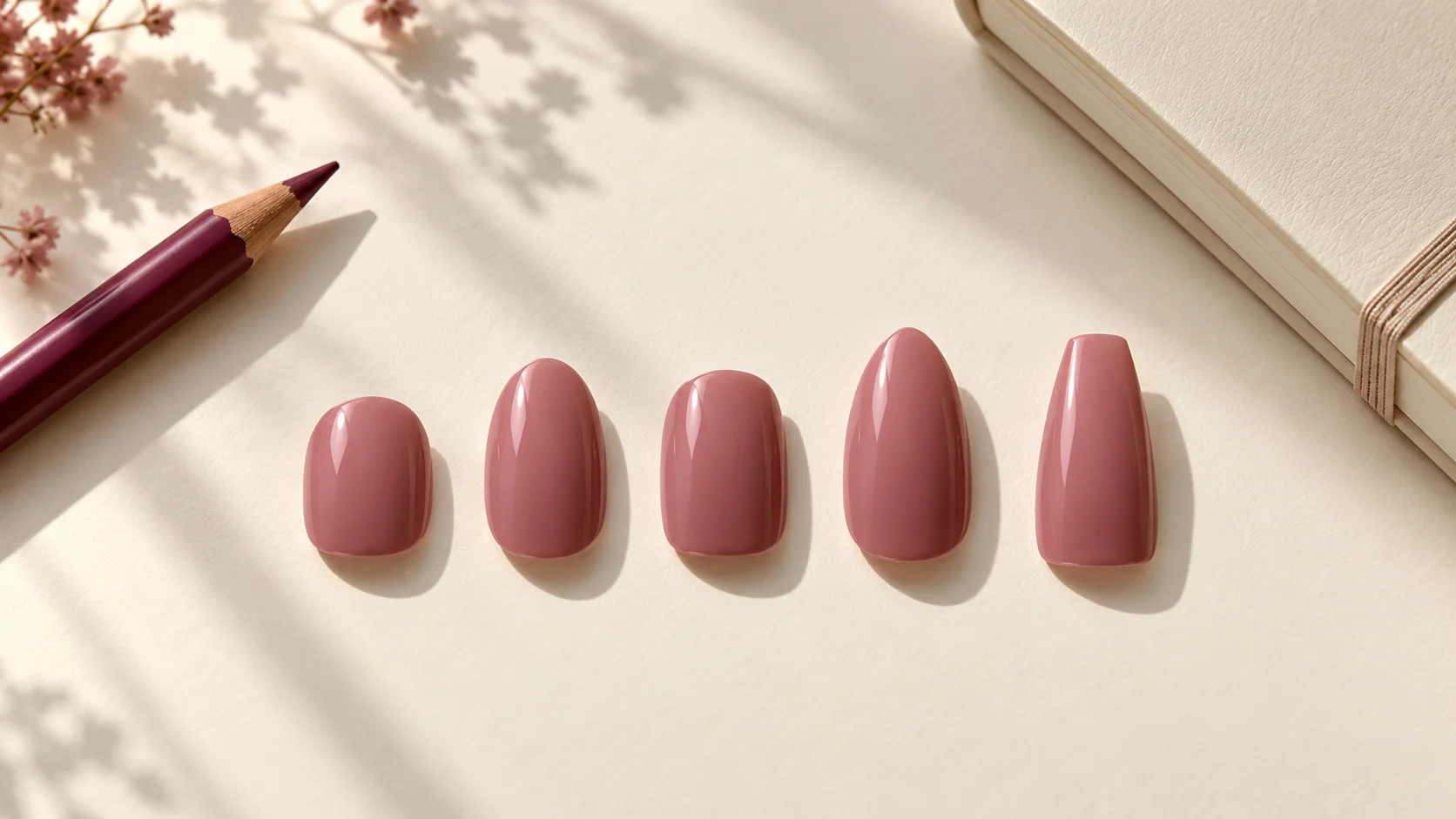
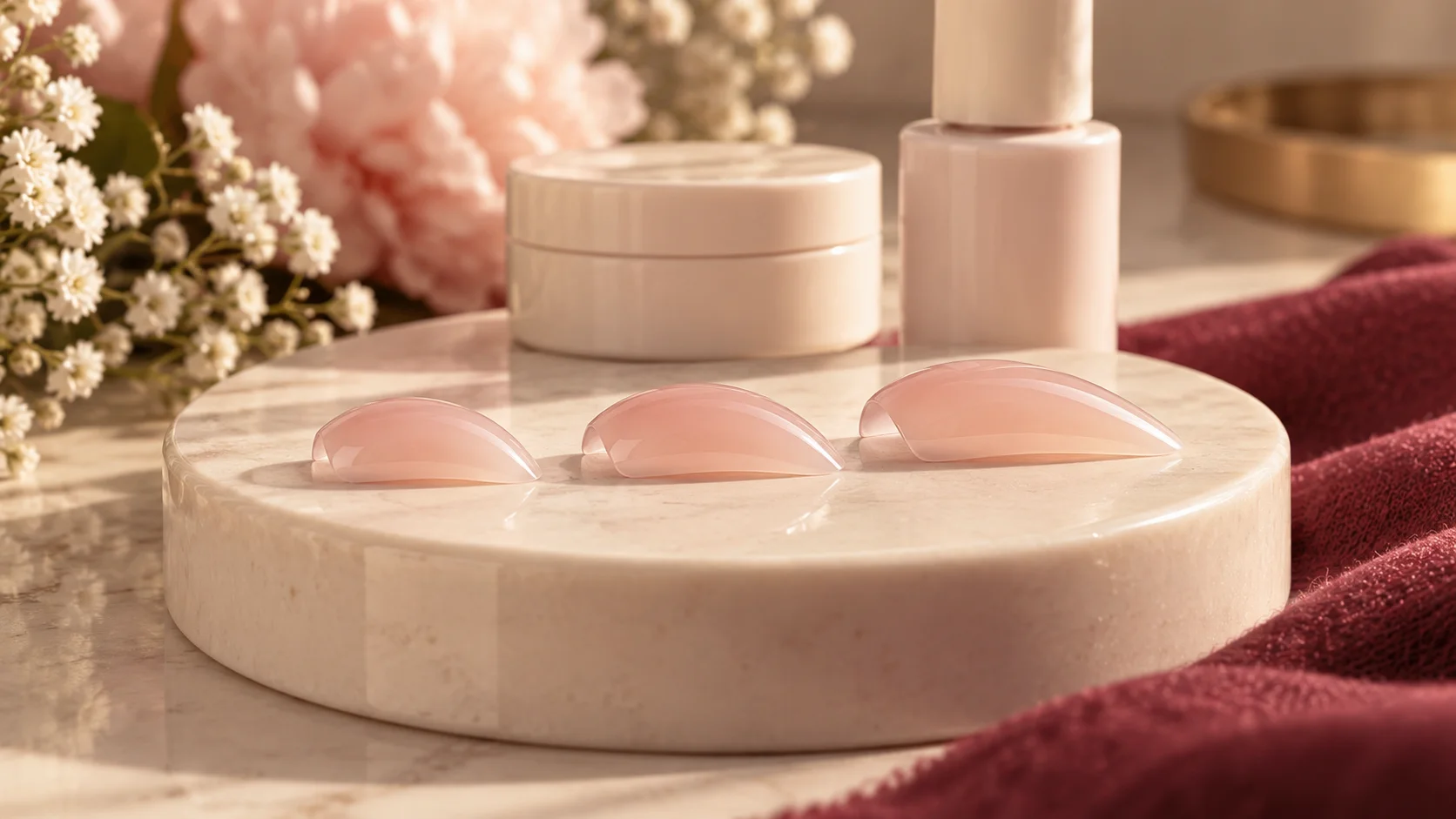
If the profile looks different from what you expected, say where: near the base, through the middle or at the free edge. Explain whether your concern is the overall height, an abrupt-looking edge or a difference between nails. This gives the provider something concrete to review.
Look at the hand in an ordinary relaxed position and from the side without bending or pressing the nails. A phone held extremely close can exaggerate proportions. Ask the provider to show you the intended shape under normal viewing conditions.
Do not use a generic online diagram as a template for filing your own set. The product and nail structure need to be considered together. You can ask for an explanation of the design without deciding where material should be removed.
Keep comfort separate from cosmetic preference
A result can look different from your preferred style without being painful, and a neat-looking result can still feel uncomfortable. Tell the provider which issue you mean. “I prefer a less prominent profile” and “this finger feels sore” call for different conversations.
Report pressure, pain or a persistent catching sensation rather than trying to accept it as the price of a stronger set. The cause cannot be diagnosed from the word “thick”. Describe when the sensation occurs and whether it began during the appointment or later.
If discomfort is happening during the service, speak up immediately. Do not wait until the finish is complete because you worry about interrupting. The provider needs current information to decide what should happen next.
| Concern | Useful description | Avoid |
|---|---|---|
| Appearance | Where the profile looks different from the brief | Declaring a universal millimetre limit |
| Comfort | Location, timing and type of sensation | Enduring pain to preserve the finish |
| Catching | The edge and task involved | Picking or levering the product |
| Function | A specific everyday task that is difficult | Testing strength by bending the nail |
| Change over time | When the appearance or sensation changed | Filing the set down without assessment |
Do not use strength tests at home
Pressing, bending or prising at an enhancement does not give you a reliable consumer test of balance. It may also turn a cosmetic concern into a new problem. Leave the set untested and explain your observations to the provider.
Likewise, do not use the nail to open packaging or scrape a surface to see whether it is strong enough. Those tasks should use suitable tools. A manicure is not equipment for proving the strength of a product.
If the set repeatedly catches during normal activities, record the specific activity and affected area. The provider can then discuss whether the current length, outline or condition needs review. That is more useful than applying extra force to recreate a failure.
Appearance does not prove correct curing
A smooth glossy surface is a visual finish, not a measurement of how the product was processed. The British Association of Dermatologists highlights inadequate curing and uncured product contact as allergy concerns. The actual product and recommended lamp instructions matter.
If the provider proposes changing the amount or type of material, ask how the application remains within the system guidance. Do not request thicker layers simply because you want a more durable result. Extra material is not a general substitute for the correct service and technique.
Equally, do not assume a thin appearance proves that a product is harmless or appropriate for a previous reaction. Share that history before application and seek suitable clinical advice when needed. Cosmetic proportions do not answer a personal allergy question.
Discuss an adjustment before making one
If the shape or profile differs from the agreed brief, contact the provider and ask for a review. Share the appointment date, service name and a clear description. A photograph may help if requested, but avoid manipulating the nail to display the concern.
Ask whether the issue can be assessed within the existing service or whether another appointment is needed. Do not assume the answer is always to file material away. The correct approach depends on the actual product, structure and condition.
If you seek a second provider’s opinion, bring the product history. Explain what has already been altered or attempted. An accurate account helps the new professional assess the set without guessing which layers or changes are present.
Know when the concern needs clinical advice
The NHS advises assessment for unexplained nail changes and sore, warm, swollen skin around a nail. Do not describe those signs merely as an aesthetic thickness issue. A salon can discuss the service but cannot replace appropriate healthcare assessment.
Tell the clinician when the symptoms started and what products or procedures were involved, as far as you know. Keep the actual names available. You do not need to decide whether the cause was pressure, irritation or something else before seeking advice.
Avoid covering a concern with another cosmetic layer simply to make the profile look smoother. Deal with the underlying question first. The next design choice can wait until the relevant assessment has been made.
Identify, observe, describe, review
- Identify: establish the service and products.
- Observe: use normal viewing angles without force.
- Describe: separate style preference from symptoms.
- Review: ask the appropriate professional before altering the set.
Use the experience to refine the next brief
If you want a quieter profile or shorter length next time, say so before booking. Ask what service can reasonably create that appearance. A reference image and a note about everyday comfort can help the provider explain the available options.
Keep the focus on a result you understand and can use comfortably, rather than an arbitrary measurement. Our Gel & BIAB section covers related shape, extension and maintenance decisions so the next consultation starts with a clear brief.
Before settling the service plan, compare Gel Overlay vs Extensions: Choosing Length and Support, Soft Gel Tips vs Sculpted Extensions: A Client’s Comparison and How to Explain Your Preferred Gel Nail Shape at a Consultation. For the related everyday care or design question, see Choosing a Comfortable Nail Length for Work, Sport and Hobbies.
Common questions
Is there one correct thickness for every gel manicure?
No universal measurement is established here. A colour coating, overlay and extension have different purposes, and the actual product system matters. Ask the provider to explain the profile for your service rather than comparing every set against a single number from an online diagram.
Does a thicker set automatically mean a stronger result?
Do not assume that more material is always better. The service needs an appropriate structure and application within the actual system instructions. Explain your length and daily activities to the provider, then ask what is suitable rather than requesting extra thickness as a general durability solution.
How should I describe a profile I dislike?
Say where it looks different from your preference: near the base, through the centre or at the free edge. Explain whether the concern is height, outline or a difference between nails. A specific description helps the provider assess the issue without guessing what thick means to you.
Should a gel set feel painful or pressurised?
Tell the provider about pain or pressure instead of accepting it as a necessary part of the finished style. Describe the location and timing, and seek appropriate clinical advice for a health concern. Appearance alone cannot identify the cause or show whether the service needs adjustment.
Can I test the strength by bending the nail?
Do not use bending, prising or scraping as a home strength test. It does not provide a reliable assessment of the structure and may create another problem. Record concerns from ordinary activities and ask the provider to review the actual set and product history.
Does a glossy surface show that the gel cured properly?
No. Gloss is a visual finish, not a measurement of the processing conditions. The correct product, application and recommended lamp instructions matter. Ask about the system if you are uncertain rather than treating a smooth surface or a finished photograph as proof of correct curing.
Can I file the profile thinner myself?
Discuss the concern with the provider before altering the structure. Filing material away is not automatically the right adjustment, especially when the system or layers are unclear. Explain the appearance or sensation you want reviewed and arrange an appropriate assessment of the current condition.
When is a thickness concern also a health question?
Pain, unexplained changes or sore, warm, swollen skin around the nail should not be treated only as a styling issue. Seek appropriate advice and provide the product and timing details. A salon can review the cosmetic service but does not replace clinical assessment when symptoms require it.
Sources and further reading
- CND — PLEXIGEL questions and answers — checked 2026-10-21
- BAD — Artificial nails warning — checked 2026-10-21
- NHS — Nail problems — checked 2026-10-21