Cuticle Care at Home: What to Leave Alone and What to Moisturise
How can I care for the skin around nails without cutting, pushing or treating a problem myself?
Archive edition: 2026-05-29 · This is an editorial allocation, not the first-publication date.
Key takeaways
- Leave: keep cutting and pushing out of the home routine.
- Read: distinguish moisturisers from removal products.
- Use: follow suitable product directions and individual advice.
- Review: seek help for symptoms rather than intensifying grooming.
In this guide
- Key takeaways
- Understand why leaving the area alone matters
- Separate moisturising from removing
- Put the tools away before starting the routine
- Make a salon preference explicit
- Recognise when care becomes an assessment question
- Leave, read, moisturise, review
- Keep a useful record if a problem returns
- Common questions
- Sources and further reading
Cuticle care at home can be a small part of looking after your hands, without becoming a project to remove every visible piece of skin around the nails. Begin with a simple distinction: caring for an area is not the same as cutting or reshaping it. A neat photograph is not a reliable guide to which tissue should be removed.
This guide concerns everyday care and the decisions to make before using manicure tools. It does not diagnose sore nail folds or explain how to drain, cut or treat an infection. If the area is painful, swollen, unusually discoloured or persistently uncomfortable, seek advice rather than trying to make it look tidier.
Understand why leaving the area alone matters
Mayo Clinic’s fingernail guidance explains that cuticles help seal the skin to the nail plate and advises against their removal. That protective role is a more useful starting point than an image showing an extremely clean-looking outline after intensive preparation.
You do not need to identify every anatomical boundary before choosing a conservative home routine. If you cannot confidently tell what a tool would remove, do not use it to find out. Uncertainty is a reason to stop, not a reason to make a smaller experimental cut.
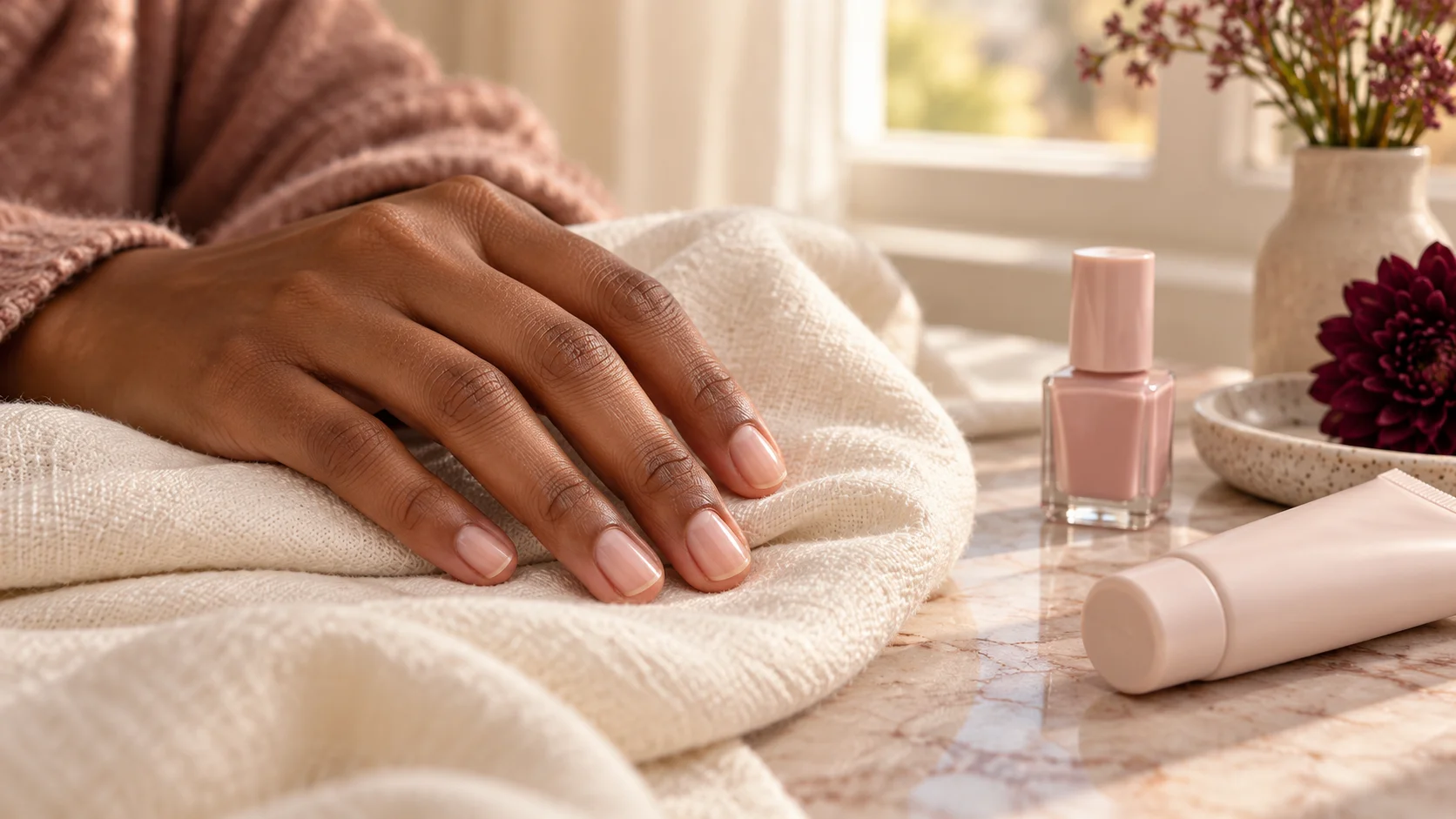
Describe your goal as comfort and ordinary care. “I want the skin around my nails to feel comfortable” leads to a different decision from “I want no visible skin at the base”. The first allows you to leave a normal feature alone; the second can turn a natural boundary into a supposed imperfection.
Separate moisturising from removing
Products labelled oil, cream, softener and remover do not necessarily perform the same job. Read the intended use and directions on the actual container. Do not assume that a product sold beside a moisturiser can be applied in the same way or left on for the same period.
DermNet’s nail-cosmetics guidance describes cuticle removers containing alkaline chemicals and the potential for irritation. It also notes that nail cosmetics can cause irritant or allergic skin reactions. This article does not recommend a remover recipe, a contact time or a home allergy test.
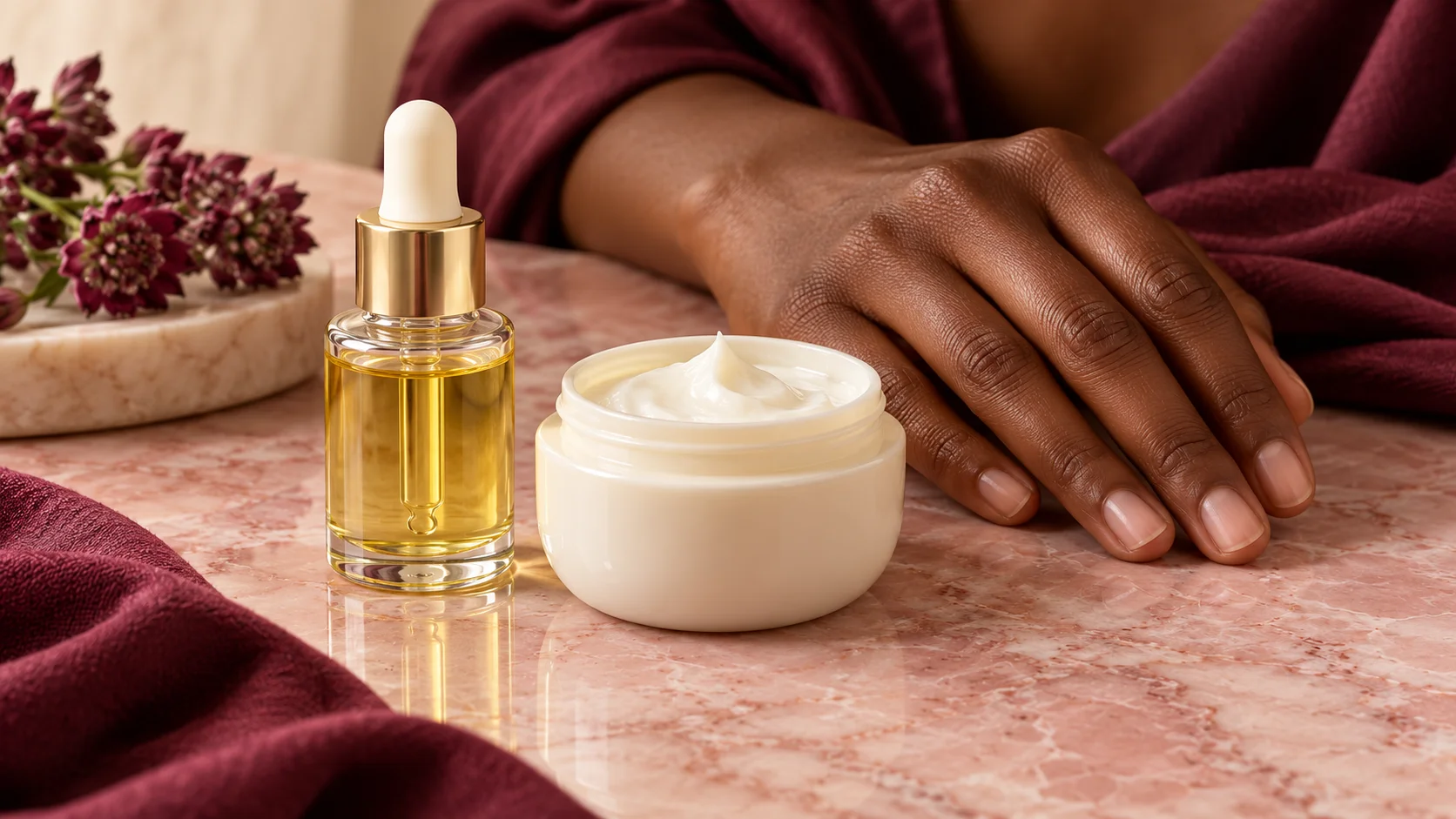
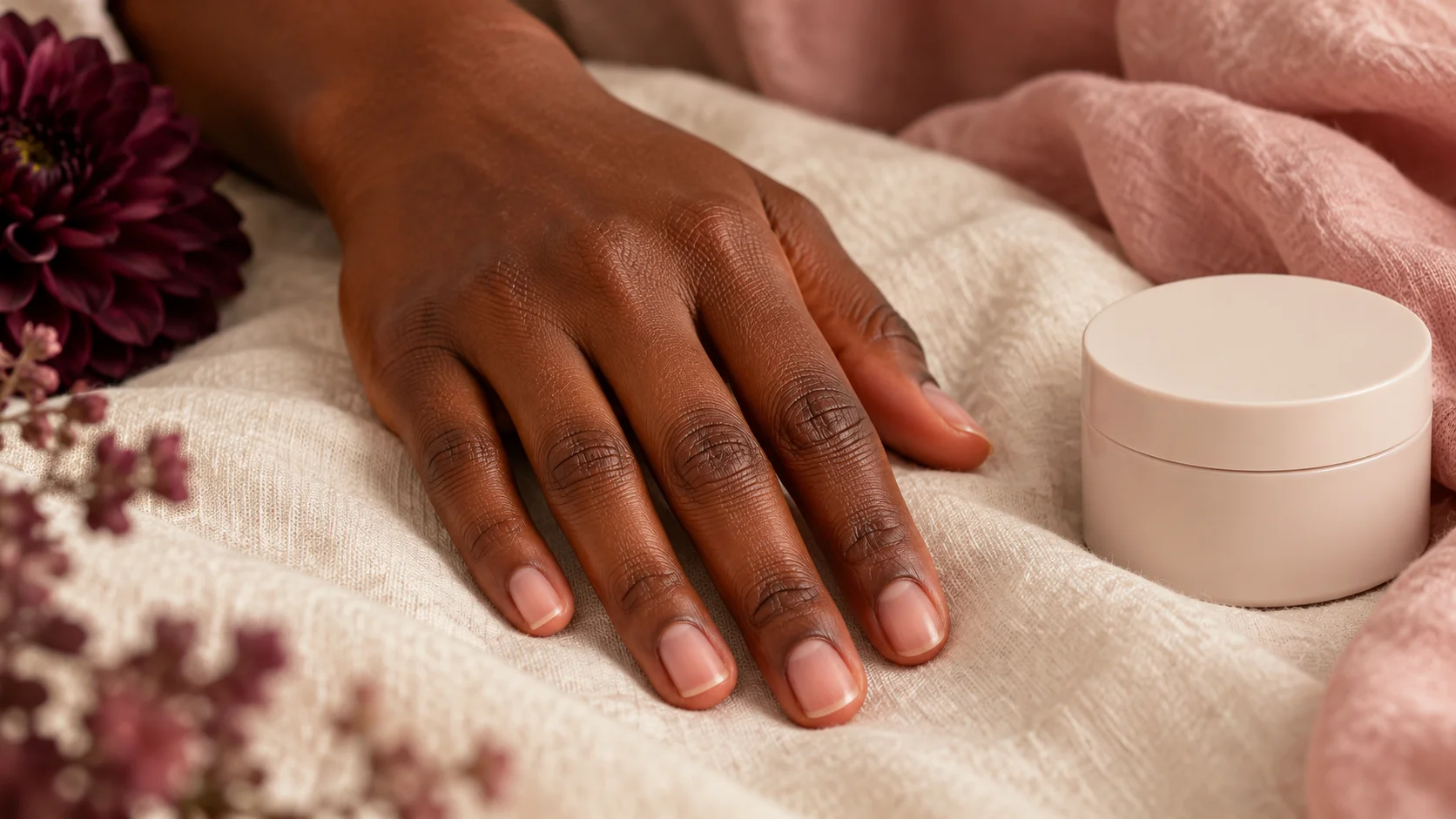
If your aim is ordinary moisturising, start with a suitable product you already tolerate and follow its directions. A cosmetic oil may be convenient, but it is not a requirement to buy a specialist bottle. When you have a skin condition, ask a pharmacist or clinician which product belongs in your care plan.
Put the tools away before starting the routine
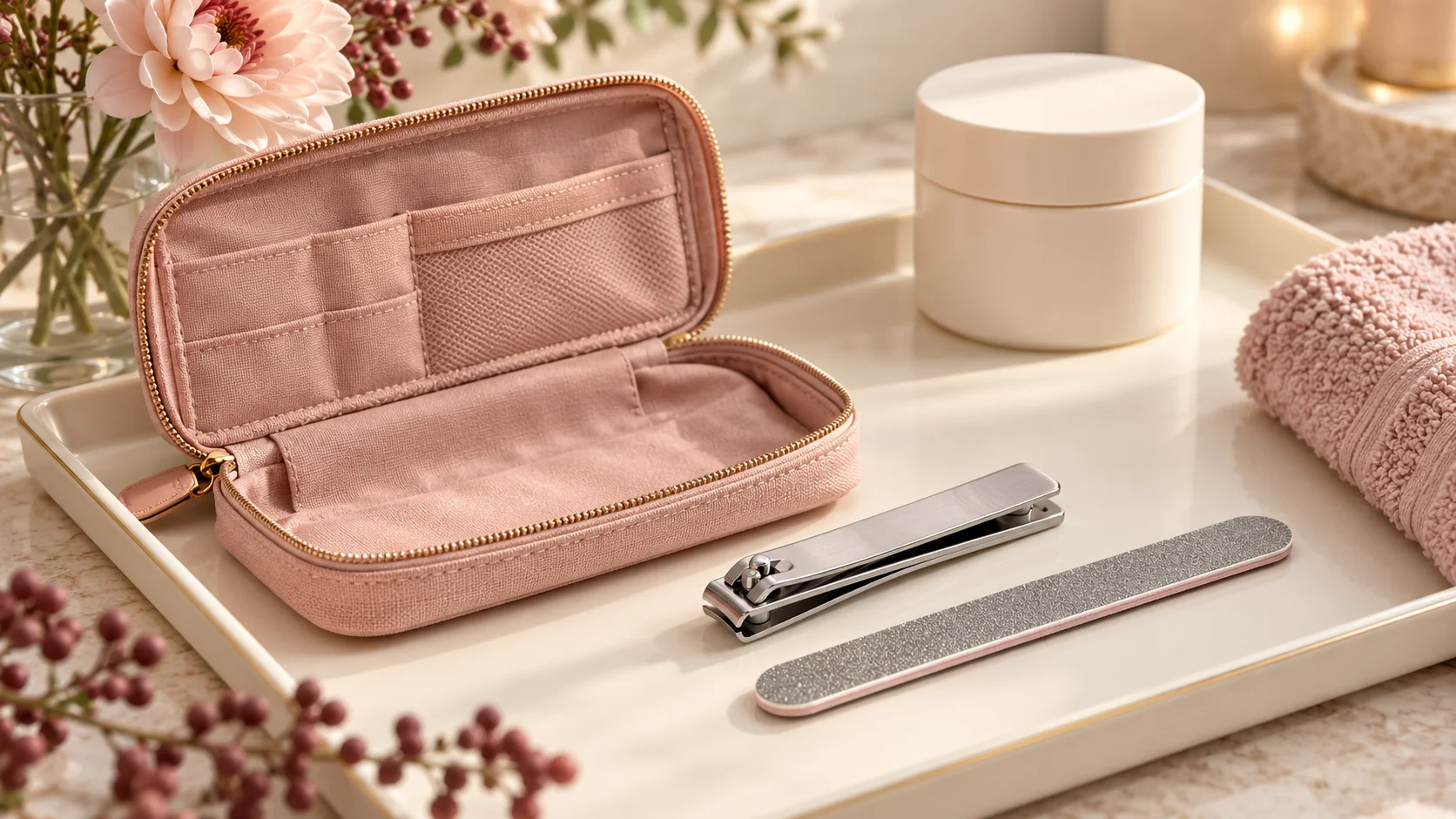
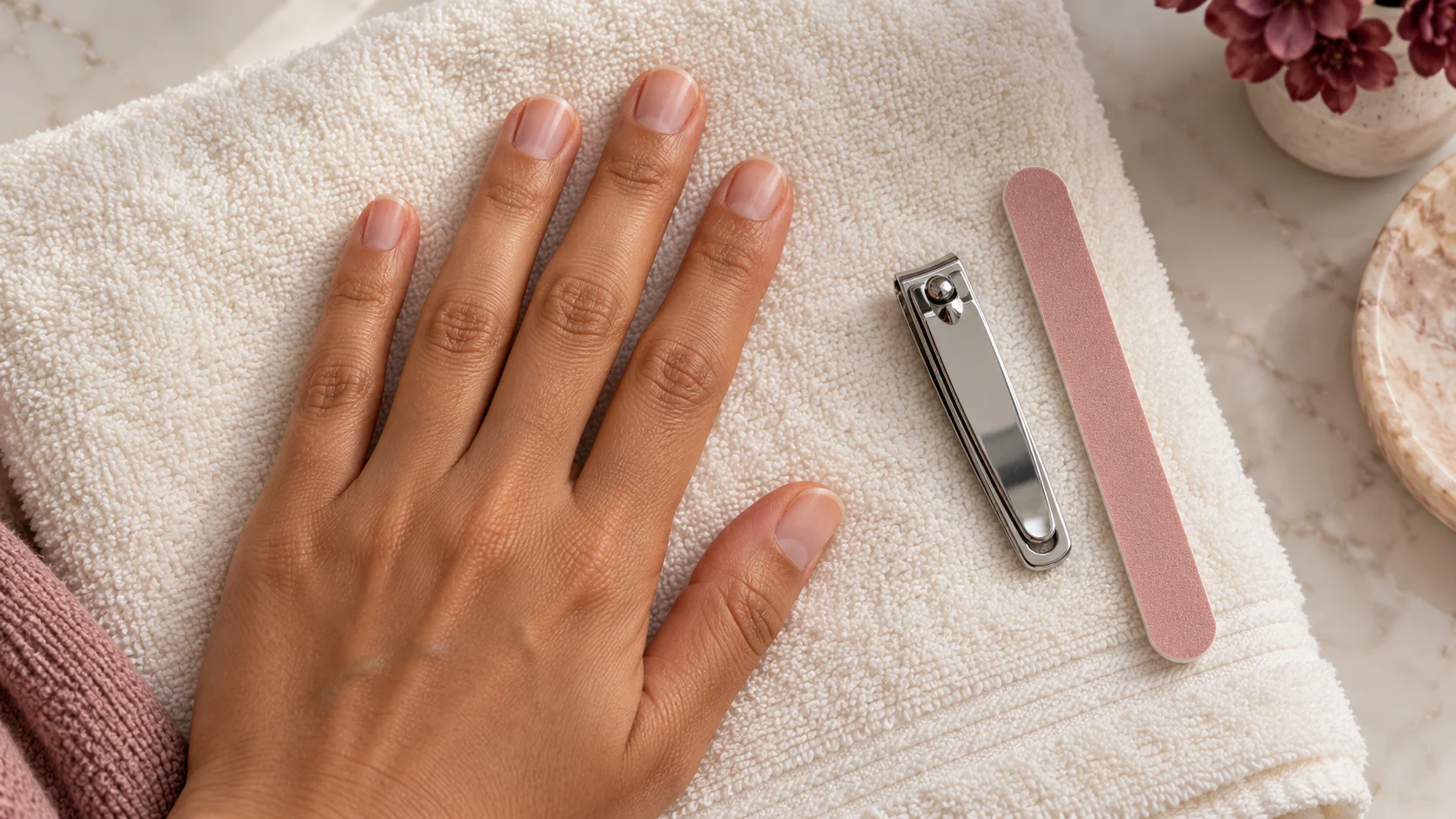
A manicure kit can make a simple care session feel unfinished until every instrument has been used. Choose the task first, then decide whether any tool is necessary. Applying a suitable moisturiser does not require a pusher, nipper, scraper or powered attachment beside it.
If you tend to pick while watching television or working, notice the situation without blaming yourself. Moving sharp manicure tools out of that immediate space can help separate an intentional grooming session from an absent-minded habit. If picking is difficult to control or causes injury, discuss it with a health professional.
Do not try to achieve a smooth outline by repeatedly checking and adjusting the same spot. Give yourself an endpoint: follow the product directions, close the container and return to the day. The routine need not produce a dramatic visible change to have been a complete task.
| Intention | Useful first step | What not to assume |
|---|---|---|
| Everyday moisturising | Check a suitable product’s intended use | A separate specialist oil is compulsory |
| A tidier manicure outline | Discuss a conservative service beforehand | All visible skin needs removing |
| A sore or swollen nail fold | Seek appropriate health advice | Cutting or a remover will solve the cause |
| A possible product reaction | Keep the label and note the timing | A home reapplication is a safe diagnostic test |
Make a salon preference explicit
If you book a manicure, state your preference before preparation starts. You can say, “Please leave the cuticle area uncut and unpushed; I want a conservative service.” Ask what the proposed preparation involves and whether it can be adapted. A clear conversation is easier before tools are in use.
Tell the provider about discomfort or a recent reaction. Bring product details or relevant individual advice if you have them. Do not let an appointment deadline become a reason to conceal a problem or agree to a procedure you do not understand.
A provider can explain a cosmetic service, but a recurring inflamed area may need medical assessment. It is reasonable for the next step to be advice rather than another treatment appointment. Keep those roles clear when deciding whom to contact.
Recognise when care becomes an assessment question
The British Association of Dermatologists describes paronychia as inflammation around the nail. It can involve soreness, swelling and colour change, and the causes and treatment vary. The leaflet advises against biting, trimming or pushing back cuticles; it does not support diagnosing yourself from a photograph.
On darker skin, inflammation may look different from the bright redness often shown in stock images. Notice discomfort, swelling and a change from your usual skin appearance rather than waiting for one exact colour. Tell the clinician what changed and how it feels.
Arrange prompt advice for painful or swollen changes, and seek urgent medical help for severe or rapidly worsening symptoms or feeling unwell. Do not pierce a swelling, cut into a painful area or borrow someone else’s treatment. A beauty routine cannot determine whether an infection is present.
Leave, read, moisturise, review
- Leave: keep cutting and pushing out of the home routine.
- Read: distinguish moisturisers from removal products.
- Use: follow suitable product directions and individual advice.
- Review: seek help for symptoms rather than intensifying grooming.
Keep a useful record if a problem returns
Note the product name, date of use and the symptoms you noticed. Include any salon preparation, wet-work changes or picking that may be relevant, without deciding which one must be responsible. A short factual record makes a follow-up conversation easier.
For ordinary care, keep the arrangement simple and comfortable. You can enjoy a polished manicure while declining unnecessary work around the nail fold. Explore our Nail Care section for related product and grooming explanations, and use professional advice whenever the question involves persistent symptoms.
For the related parts of your care routine, read Cuticle Oil and Hand Cream: What Each Adds to Your Routine, Handwashing and Nail Care: Keeping Hands Clean Without Neglecting Moisture and How to Keep a Personal Manicure Kit Clean and Organised. For the relevant product or service decision, see An At-Home Manicure Toolkit: What to Buy and What You Can Skip.
Common questions
Do I need to push my cuticles back at home?
A conservative home routine can leave them unpushed and uncut. You do not need to recreate an intensely prepared salon photograph to care for your hands. If a visible area worries you, ask what it is rather than using a tool to investigate.
Is cuticle remover the same as cuticle oil?
No. The product names can describe different intended jobs, so check the actual directions and ingredients. A remover is not automatically a leave-on moisturiser. Do not substitute one for the other or assume that products displayed together share the same application method.
What should I say before a salon manicure?
State your preference before preparation begins: you want the area left uncut and unpushed and would like the proposed steps explained. Mention discomfort or relevant clinical advice. It is easier to agree the scope beforehand than to interrupt a procedure you did not understand.
Can a moisturiser treat an inflamed nail fold?
Do not assume that ordinary moisturising identifies or treats the cause of inflammation. A sore, swollen or persistently changed area needs appropriate advice. Tell the pharmacist or clinician what you have applied and keep the packaging, rather than adding several cosmetic products to test.
What if I cannot tell which part is the cuticle?
You do not need to resolve that uncertainty with a sharp tool. Leave the area alone and ask an appropriate professional if something concerns you. A general photograph may not show your anatomy clearly enough to guide a decision about removing skin.
Should I test a suspected product reaction by applying it again?
Do not deliberately recreate a reaction as a home diagnostic test. Keep the product label and record when you used it and what happened. A clinician can advise which information and assessment are appropriate without you repeating an exposure that caused discomfort.
How can I make a simple care session feel finished?
Decide the task before starting, follow suitable product directions and put the container away afterwards. You do not need a visible transformation or a sequence of tools. An endpoint helps prevent repeated picking or adjusting simply because the manicure kit is open.
Does inflammation always look bright red?
No. A change from your usual skin appearance, swelling and discomfort can matter even when bright redness is absent. Describe what you notice in ordinary language and seek advice for concerning symptoms rather than comparing yourself only with images of one skin tone.
Sources and further reading
- BAD — Chronic paronychia — checked 2026-10-21
- DermNet — Nail cosmetics allergy — checked 2026-10-21
- Mayo Clinic — Healthy fingernails — checked 2026-10-21