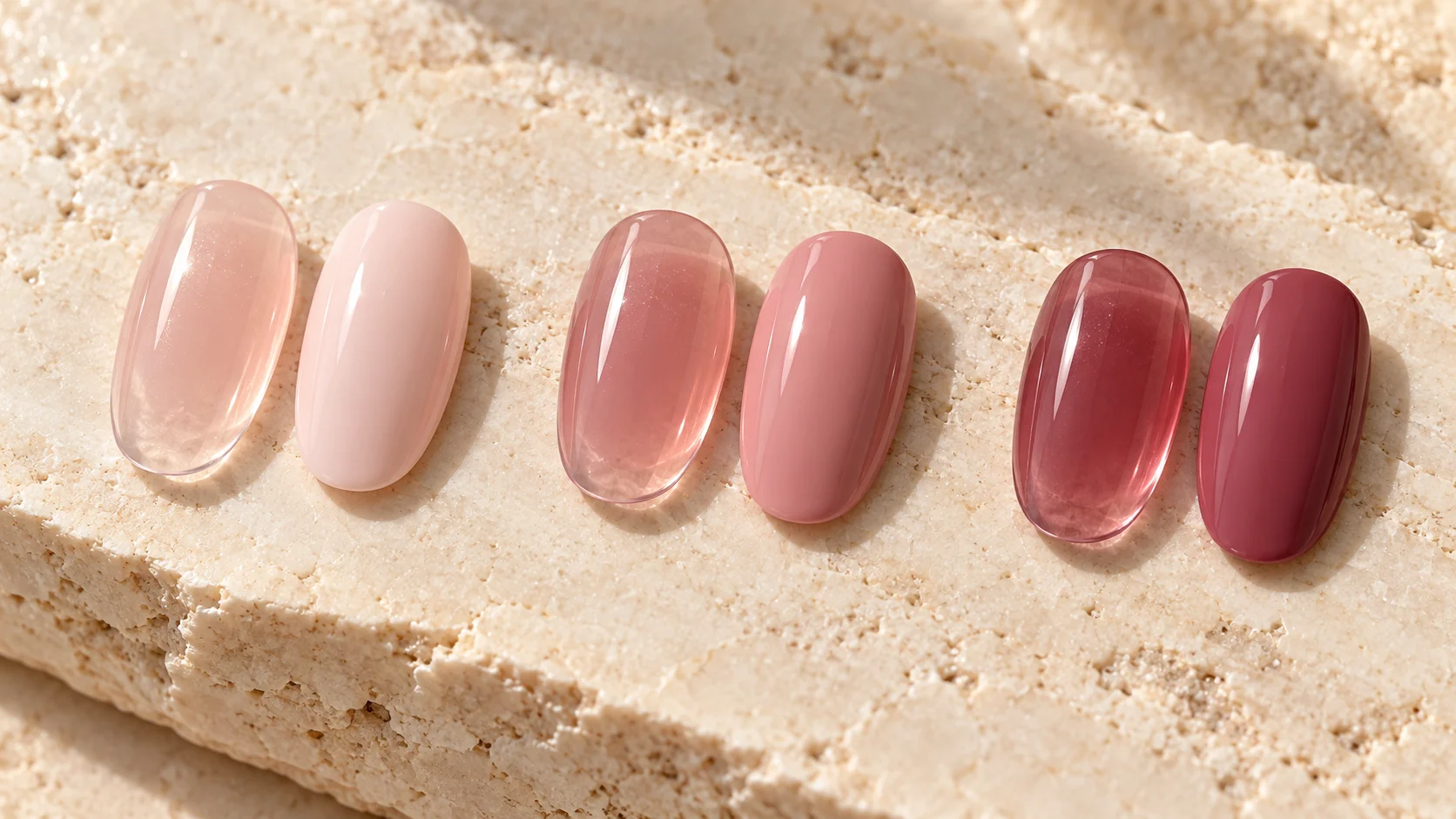
Your First BIAB Appointment: Consultation, Application and Aftercare
Prepare for a first builder-gel consultation, understand the stages at a high level and leave with a clear aftercare plan.
Archive edition: 2026-05-15 · This is an editorial allocation, not the first-publication date.
Key takeaways
- Book: disclose existing product and allow suitable time.
- Discuss: share history, concerns and practical requirements.
- Agree: confirm the length, finish and system.
- Record: keep aftercare, maintenance and removal details.
In this guide
- Key takeaways
- Book the right service before choosing a shade
- Prepare one reference and your practical requirements
- Share relevant history at the consultation
- Understand the preparation at a high level
- Know which product is being applied
- Speak up about comfort during application
- Book, discuss, agree, record
- Leave with answers to the likely follow-up questions
- Make the second consultation easier
- Common questions
- Sources and further reading
A first BIAB appointment is easier to plan when you know which decisions happen before application. You will discuss your current nails, the product already on them, the length and finish you want, and how the service will be maintained. You do not need to arrive knowing a technician’s application method, but you should leave understanding the service you received.
Use this guide as a client orientation rather than a DIY tutorial. Exact preparation, layers, curing and removal depend on the product and the provider’s training. The useful preparation for you is a clear brief, an honest history and enough time for the consultation.
Book the right service before choosing a shade
Tell the salon whether your nails are bare or currently have polish, gel, builder or extensions. Give the product name if known. Existing-product removal or a change of system may need extra time, so do not assume it is included in the shortest appointment option.
If the booking form is unclear, contact the salon with a short description. Explain that this is your first appointment for the proposed service and ask which option to select. A photograph may help describe the look you want, but it should not replace information about what is already on your nails.
Check the expected appointment length, price and any conditions attached to the booking. Ask whether colour, art or removal changes the quote. This gives you space to make choices before you are seated with limited time remaining.
Prepare one reference and your practical requirements
Choose a reference close to the length you intend to wear. Identify the feature you like most: the shape, sheerness, colour or a small decorative detail. A single clear priority helps the provider adapt the design without trying to copy every aspect of someone else’s hands.
Add the activities that affect your choice. You may need to follow work rules, wear particular gloves, play an instrument or manage small fastenings. Give the actual requirement where one exists rather than expecting the salon to infer it from your job title.
Think about upkeep honestly. If you will be away soon or cannot easily return, mention that now. A beautiful first appointment is only part of the decision; maintenance and removal need to fit the rest of your schedule.
Share relevant history at the consultation
Explain previous reactions, discomfort, difficult removals and any clinical advice that affects nail services. Use exact details where possible. “This product caused itching after my last visit” is more informative than saying only that your nails are sensitive.
Do not hide a current concern because you are excited about the design. If the nail or surrounding skin is painful or changing unexpectedly, tell the provider before application. A cosmetic consultation may need to pause while a health concern is assessed elsewhere.
Ask how the salon keeps the information needed for future visits and what you should retain yourself. A product name and aftercare note are useful even if you expect to return to the same provider, because plans and staff can change.
| Stage | Your useful input | The answer to establish |
|---|---|---|
| Booking | Existing product and requested service | Enough time and a clear quote |
| Consultation | History, concerns and practical needs | Whether the proposed service suits the situation |
| Design agreement | Length, outline and main reference | A shared picture of the intended result |
| Application | Feedback about comfort and appearance | The provider can address concerns promptly |
| Departure | Questions about the next few weeks | Product details, aftercare and follow-up |
Understand the preparation at a high level
The provider should explain the planned grooming and preparation in terms you understand. Ask before a significant length change and tell them if you want to keep your existing free edge. There is a difference between agreeing a shape and silently accepting a much shorter result than you intended.
The AAD’s manicure guidance includes tool hygiene and avoiding cuticle cutting. You can ask how reusable tools are cared for and which items are single-use. These are ordinary consultation questions, not a demand that you perform a salon inspection.
Do not prepare your nails aggressively at home to make the appointment easier. If you are unsure whether to remove existing colour or apply a product beforehand, ask the salon. Arriving with an accurate history is more useful than altering the surface in a way the provider did not expect.
Know which product is being applied
The GelBottle’s formula information describes different formulations within the BIAB range. Ask which exact product the salon is using rather than assuming that every service with the same headline name follows identical instructions.
At a broad level, a builder service creates the agreed cosmetic structure before the chosen finish is completed. Whether additional colour is used and which supporting products are required depend on the system. You can understand that sequence without trying to memorise technical quantities or application angles.
Ask the provider to explain any term that affects your decision. If they recommend a different product from the one you booked, clarify the reason, price and maintenance implications before continuing. An alternative should become a shared decision rather than an unexplained substitution.
Speak up about comfort during application
The British Association of Dermatologists stresses appropriate handling and curing of artificial-nail products. The provider should work to the relevant system instructions, including suitable equipment. This is not something you need to solve by selecting lamp settings yourself.
If you feel pain or something seems wrong, tell the provider and pause the service. Do not assume discomfort must be endured because you are new to the appointment. Give a specific description so the professional can decide the appropriate response.
You can also comment on the emerging outline or design before every nail is finished. “I expected a softer corner” or “I wanted less visible length” is easier to act on early. Keep the feedback concrete and tied to the result agreed at consultation.
Book, discuss, agree, record
- Book: disclose existing product and allow suitable time.
- Discuss: share history, concerns and practical requirements.
- Agree: confirm the length, finish and system.
- Record: keep aftercare, maintenance and removal details.
Leave with answers to the likely follow-up questions
Ask what routine aftercare is appropriate, how maintenance is planned and what to do if product catches or lifts. Save the salon’s contact route. A generic instruction to be careful is less useful than knowing whom to contact and what information they will need.
Confirm how removal will be arranged, including whether it requires a separate booking. Do not assume a tutorial for another variant applies to your manicure. Keep the exact product name with the instructions so future advice can be specific.
Before leaving, check that the chosen length feels consistent with what you agreed and that you understand the next step. You do not have to decide your next design immediately. First learn how the current choice fits your day-to-day activities.
Make the second consultation easier
After living with the manicure, note what worked and what you would change. Focus on practical observations such as a length that felt convenient or a design detail you would prefer smaller. Report a problem through the appropriate route rather than saving it only for a future style discussion.
Our Gel & BIAB section offers related explanations. Use them to understand the options, while the record of your actual service guides maintenance. A first appointment should leave you with a chosen look and a clearer understanding of how to care for it.
Before settling the service plan, compare What Is BIAB? Builder in a Bottle Explained for Salon Clients, BIAB on Short Nails: Shape, Finish and Realistic Expectations and A Salon Consultation Checklist for Gel and BIAB Appointments. For the related everyday care or design question, see A Nail Care Checklist to Take to Your Next Salon Appointment.
Common questions
What should I tell the salon when booking?
Explain whether you already have product on your nails, which system if known, and the length or finish you want. Mention that it is your first appointment for the service. Ask which booking option allows enough time for consultation and any removal.
Should I bring lots of design references?
One main reference with a clear priority is usually easier to discuss. Explain which feature you like and whether your intended length differs. The provider can adapt the design while keeping your practical requirements and the booked service in view.
Should I file or buff my nails beforehand?
Ask the salon what, if anything, it wants you to do before arriving. Do not aggressively alter the surface to prepare for an unfamiliar service. Accurate product history and a clear brief are more useful than unexpected home preparation that changes the starting condition.
Why does the exact BIAB variant matter?
Different products and formulations exist within the range, so the headline service name does not supply every instruction. Keep the exact identity and ask the provider to follow current guidance. That record also helps with later maintenance or removal elsewhere.
What if I feel discomfort during the service?
Tell the provider promptly and pause so the concern can be addressed. You do not need to tolerate pain because it is your first visit or the technique appears routine. Describe what you feel rather than trying to diagnose the cause yourself.
Can I ask for a shape adjustment during the appointment?
Discuss length and outline before major work, and give concrete feedback early if the result differs from what you agreed. Explain the particular change you want, such as a softer corner. Waiting until every nail is complete can make the discussion harder.
What should I know before leaving?
Save the product name, aftercare guidance, planned maintenance and removal route. Ask what to do if product catches or lifts and whom to contact. These details are more useful for follow-up than remembering only the colour or a generic wear claim.
How can I prepare for the next visit?
Record what felt practical and what you would change about length, finish or design. Report problems through the appropriate route when they occur rather than waiting solely for a future style appointment. Bring the service details so the next conversation starts accurately.
Sources and further reading
- The GelBottle — BIAB formula update — checked 2026-10-21
- AAD — Manicure and pedicure safety — checked 2026-10-21
- BAD — Artificial nail allergy warning — checked 2026-10-21