A Salon Consultation Checklist for Gel and BIAB Appointments
Use a clear booking brief to discuss product history, desired results, hygiene, pricing, maintenance and removal.
Archive edition: 2026-10-16 · This is an editorial allocation, not the first-publication date.
Key takeaways
- History: give accurate product and concern details.
- Preference: describe the appearance and practical limits.
- Explanation: understand the proposed service and price.
- Plan: leave with aftercare, contact and removal information.
In this guide
- Key takeaways
- Prepare the current-service history
- State the desired result and practical limits
- Raise health concerns before choosing a new product
- Ask for the service in plain language
- Discuss hygiene and application without guessing
- Confirm the complete booking and price
- Leave with a contact route and an endpoint
- Use a short opening script
- History, preference, explanation, plan
- Common questions
- Sources and further reading
A useful gel or BIAB consultation answers six practical questions: what is on your nails now, what result do you want, which service will create it, what does the booking include, how will it be maintained and how will it end? You do not need to arrive with a technical prescription.
Bring accurate facts and clear preferences, then ask the provider to explain the proposed service. This checklist is designed to make that conversation manageable. It is not a medical screening form, a guarantee of safety or a substitute for clinical advice about a nail or skin concern.
Prepare the current-service history
Record the application date, product system if known and any later infills or repairs. Say whether the current set was applied elsewhere. Include home removal attempts, glue or filing rather than assuming they are too minor to mention.
A colour name may not identify a builder, attachment product or top layer. Ask the original provider for the relevant details if needed. If the information is unavailable, tell the new provider so it can decide whether an assessment or a different booking is appropriate.
Keep the history concise. The aim is to provide the facts that affect the appointment, not to reconstruct every manicure you have ever worn. A few dates and actual product names are usually easier to use than a long, uncertain story.
State the desired result and practical limits
Describe length, outline, colour coverage and decoration separately. Bring one or two references with an explanation of which feature matters. “This soft shape, shorter and without shimmer” communicates more than an unlabelled gallery of images.
Include work rules, sports, instruments or other activities that affect the choice. Mention whether you want to keep the natural length or add extensions. The provider needs to understand those constraints before recommending a service.
If you have a firm budget or a fixed departure time, say so early. Ask which parts of the brief are feasible within those limits. A simpler understood service is easier to plan than an elaborate request squeezed into the wrong appointment.
Raise health concerns before choosing a new product
Tell the provider about previous reactions, current discomfort or unexplained changes. If you have clinical findings or advice, keep the actual record available. Do not reduce a detailed result to a vague remembered phrase when the document can clarify it.
The British Association of Dermatologists warns about allergy risks involving uncured product contact and insufficient curing. A label or a neat finish does not replace the need for an appropriate process. A suspected reaction may require clinical advice before another cosmetic application.
Do not request a home-style patch test with uncured gel or use a trial nail to investigate an allergy. Keep cosmetic design trials separate from medical assessment. The provider should know the concern, but the salon consultation does not diagnose it.
| Topic | Bring or explain | Ask before agreeing |
|---|---|---|
| Current set | System, dates and changes | Which appointment is appropriate? |
| Desired finish | Length, outline, coverage and art | What is realistically achievable? |
| Relevant concerns | Symptoms, reactions or clinical advice | Does this need assessment before a service? |
| Process | Any questions about the proposed system | How are product instructions and hygiene followed? |
| Cost | Budget and optional additions | What is included in the complete quote? |
| Aftercare | Travel and availability | How are maintenance, problems and removal handled? |
Ask for the service in plain language
Request the actual product system and an explanation of what it is intended to do. Is the booking for colour, an overlay or added length? Ask which parts of the existing set will be considered and what might change the plan after assessment.
CND’s enhancement guidance describes different product roles and removal behaviours. It illustrates why a broad term such as “gel” is not enough to specify an entire appointment. The provider should connect the chosen system to your stated goal.
If the explanation uses unfamiliar terminology, ask what it means for the result, maintenance and removal. You do not need to learn a full technical course. You do need enough information to understand the service you are agreeing to wear.
Discuss hygiene and application without guessing
The American Academy of Dermatology encourages clients to ask about tool hygiene and observe cleaning practices. Ask how reusable items are handled between clients and which items are single-use. A tidy-looking table alone does not answer every process question.
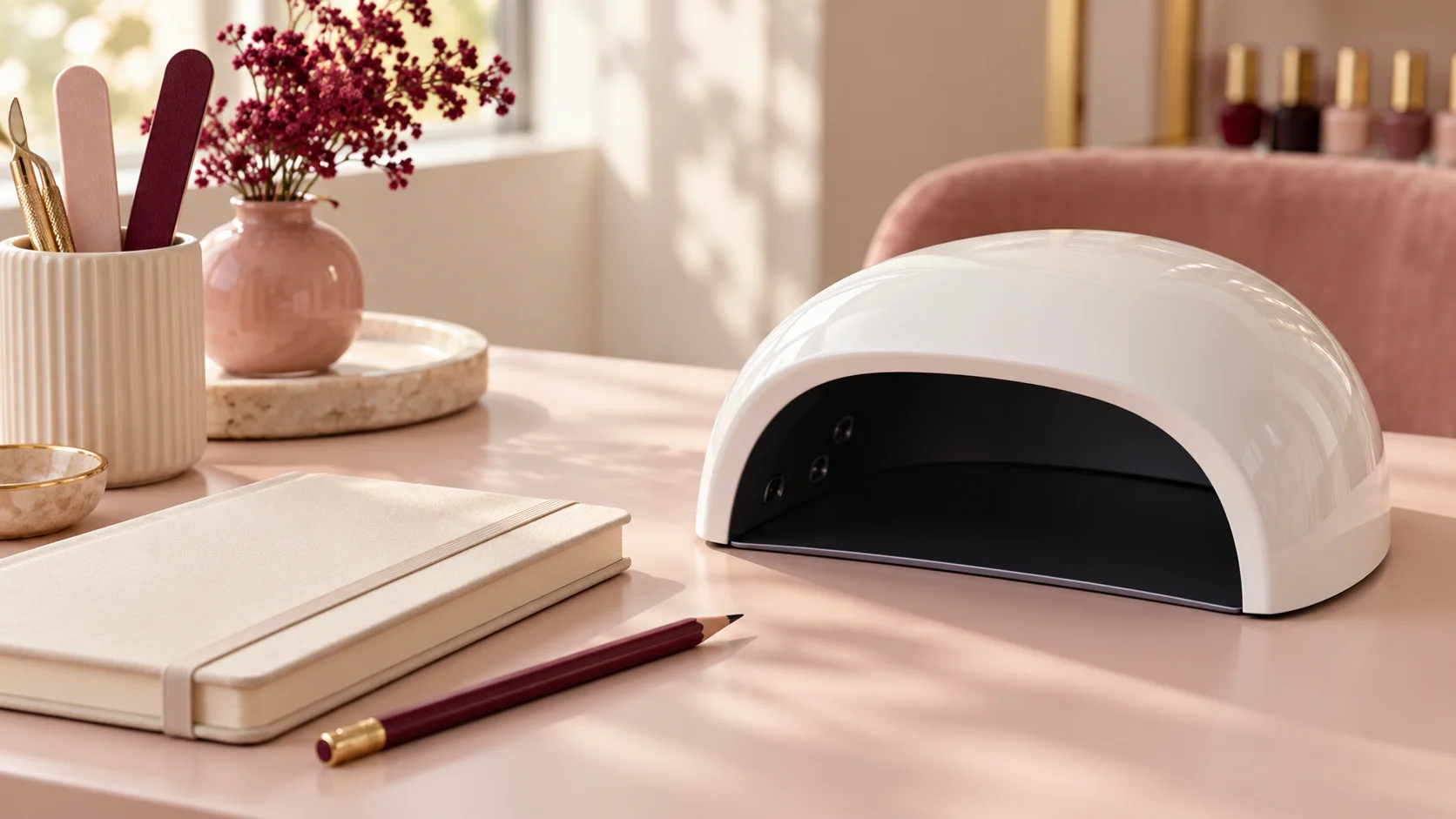
Ask how the provider follows the chosen product and lamp instructions. If it describes using the same equipment for unrelated systems, request clarification rather than assuming every lamp is interchangeable. Keep the focus on the actual products planned for your appointment.
Tell the provider promptly about discomfort during fitting or application. Do not wait until the end because you think silence is expected. The consultation continues through the service when new information affects what should happen next.
Confirm the complete booking and price
Check whether removal, gel colour, repairs, reshaping and nail art are included or separately booked. Elated’s menu provides one example of a salon listing maintenance and additional work separately. Your provider may divide the service differently, so confirm its actual terms.
Ask for the total or a clear basis for the estimate, including what depends on assessment. Read deposit and appointment-change policies before committing. This checklist identifies questions to ask; it does not interpret the legal validity of any particular policy.
If you change the design on the day, confirm the effect on time and price before work proceeds. Keep optional decoration distinct from necessary work so you can make a clear choice within the agreed budget.
Leave with a contact route and an endpoint
Ask when the proposed service should be reviewed and what changes should prompt earlier contact. Save the provider’s normal contact details with the product names. A broad wear claim is less useful than knowing what to do when an edge catches or something feels different.
Discuss travel and the availability of follow-up before application. If the schedule does not work, consider another service or a removal plan. Do not assume maintenance can be delayed indefinitely because the colour still looks presentable.
Confirm how removal is arranged if you decide to stop wearing the product. Ask whether removal-only appointments are available and what information another provider would need. An informed choice includes the end of the service as well as the first photograph.
Use a short opening script
You might say: “This is the product I currently wear and when it was applied. I would like a shorter rounded outline with a sheer colour, and I travel soon. Please explain the suitable service, complete price and follow-up plan before we start.”
Adapt that script to the facts and add any relevant concerns first. Before leaving, repeat the agreed aftercare and next step in your own words to check your understanding. Save the details for the next appointment.
History, preference, explanation, plan
- History: give accurate product and concern details.
- Preference: describe the appearance and practical limits.
- Explanation: understand the proposed service and price.
- Plan: leave with aftercare, contact and removal information.
Explore the Gel & BIAB section for individual guides behind these questions. The checklist is a way to organise an informed conversation, while leaving technical assessment and health advice with the appropriate professionals.
Before settling the service plan, compare Your First BIAB Appointment: Consultation, Application and Aftercare, BIAB Maintenance Costs: How to Compare Complete Salon Quotes and Gel Polish and UV Lamps: Safety Questions Worth Asking. For the related everyday care or design question, see A Nail Care Checklist to Take to Your Next Salon Appointment.
Common questions
What is the most useful information to bring?
Bring the current system if known, application and maintenance dates, any changes or concerns, and a clear brief for the next result. Include practical limits such as work rules or travel. Accurate facts help the provider choose the booking without requiring you to prescribe the technical process.
Do I need to know professional nail terminology?
No. Describe the length, outline, corner softness, colour coverage and decoration in ordinary language. Ask the provider to explain unfamiliar terms in relation to the result and follow-up. A shared understanding matters more than using a technical word that means something different to each person.
Should I mention a previous reaction before choosing the shade?
Yes. Raise relevant symptoms, reactions or clinical advice before another application is planned. Keep any actual test report available. A cosmetic preference or ingredient label does not replace assessment of a health concern, and a salon consultation is not a method of diagnosing an allergy.
What can I ask about hygiene?
Ask how reusable tools are handled between clients and which items are single-use, and observe the cleaning practices. A tidy surface alone does not explain every process. Keep the questions specific to the service rather than assuming that appearance or price proves how equipment is managed.
How do I make sure the quote covers the whole visit?
Confirm whether removal, repairs, colour, reshaping and decoration are included or separately booked. Ask what depends on assessment and how a change to the brief affects price and time. Save the complete quote and relevant appointment policies so you understand the agreement before work starts.
What should I ask about the product and lamp?
Ask which system is proposed and how its current application and recommended lamp instructions are followed. You do not need to design a curing schedule yourself. A broad assurance that a lamp is powerful does not explain compatibility with every product included in the service.
What information should I leave with?
Save the actual product names, aftercare instructions, provider’s contact route and maintenance or removal plan. Confirm what changes should prompt earlier contact. A general wear claim is less useful than a clear next step if the condition changes or you cannot attend the planned follow-up.
Can I choose not to proceed after the consultation?
You can discuss another service or decide that the proposed cosmetic plan does not fit your needs. Clarify any booking terms beforehand and raise uncertainty before application. An informed consultation should help you understand the available options rather than make you feel obliged to accept an unexplained process.
Sources and further reading
- AAD — Gel manicures — checked 2026-10-21
- BAD — Artificial nails warning — checked 2026-10-21
- CND — PLEXIGEL questions and answers — checked 2026-10-21
- Elated — Booking menu — checked 2026-10-21