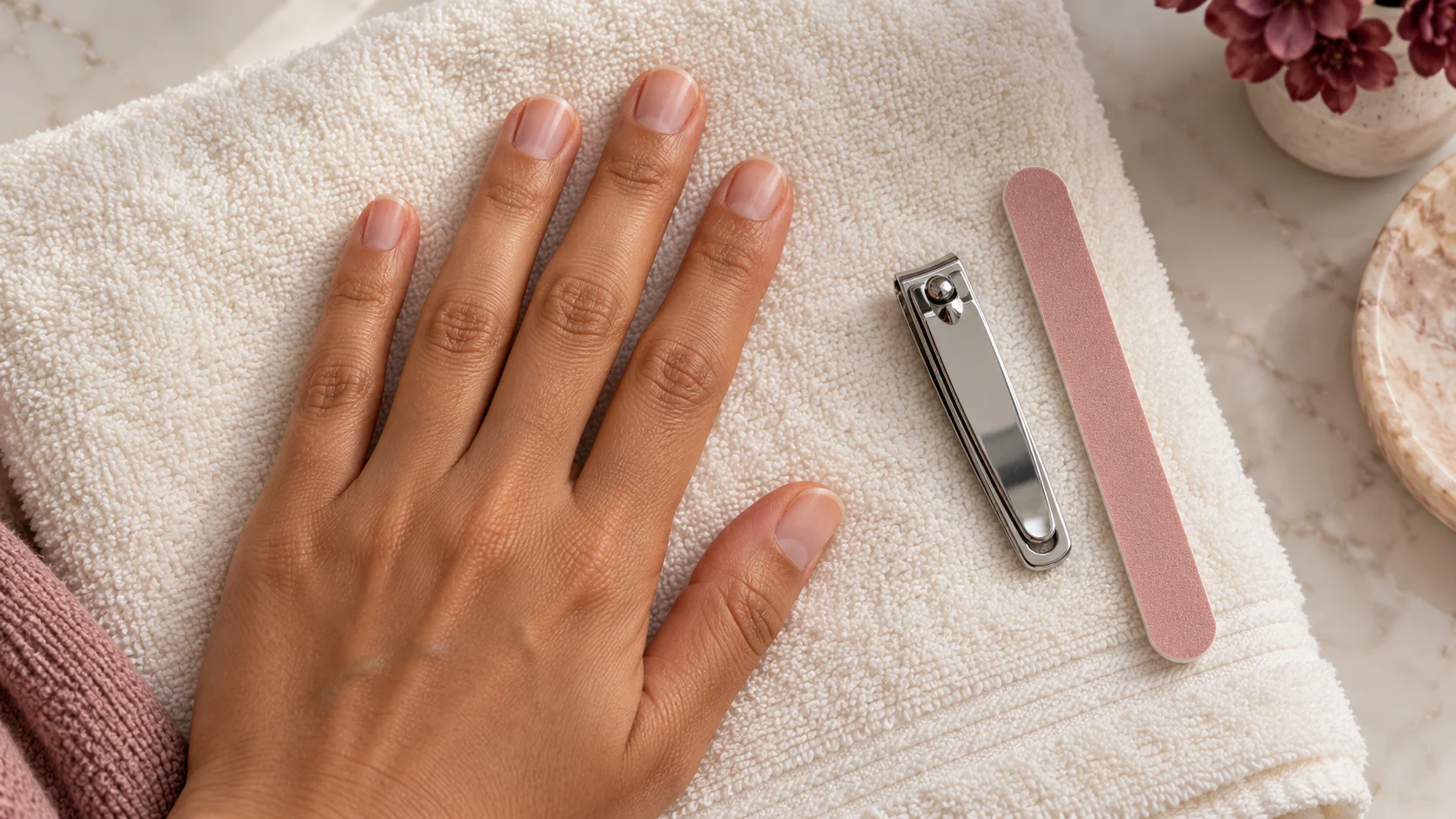
Nail Changes to Photograph and Discuss with Your GP
Record nail changes clearly, take unedited photographs when requested and share them through your GP practice's approved route.
Archive edition: 2026-09-30 · This is an editorial allocation, not the first-publication date.
Key takeaways
- Describe: record the change, timing and symptoms.
- Capture: use clear, unedited images when requested.
- Label: identify the nail and date.
- Share: use your own practice's approved route.
In this guide
- Key takeaways
- Describe the change before reaching for the camera
- Check the practice’s submission route
- Use light and focus to show the actual appearance
- Give enough context without exposing unrelated details
- Label a short sequence clearly
- Include the product and appointment history
- Describe, capture, label, share
- Know what happens after you send the images
- Common questions
- Sources and further reading
A clear photograph can help you explain a nail change to your GP, but it is only one part of the information. The timing, symptoms, affected nails and recent products or injuries also matter. Think of the image as a record for a clinical conversation, not a way to diagnose yourself by comparing pictures online.
If you need urgent help, seek it first. Do not delay care while arranging a perfect photograph, removing a coating or waiting to build a series of images. For a routine concern, check how your own practice wants you to contact it and whether photographs would be useful.
Describe the change before reaching for the camera
Write one sentence naming the nail and the observation: “There is a new dark line on my left thumbnail,” or “The edge of my right big toenail has lifted.” These are descriptions, not diagnoses. Add when you first noticed the change and whether it has altered since then.
The AAD highlights nail changes that deserve examination, including a new or changing dark streak, lifting and changes around the nail. Such signs have different possible explanations; a photograph cannot establish which one applies.
The NHS recommends advice for unexplained changes and for sore, warm or swollen surrounding skin. You do not need to wait until you have a perfectly documented progression before raising a concern. An approximate start date is better than delaying because the exact date is unknown.
Check the practice’s submission route
Use your own practice’s published contact process or the instructions it sends you. Some services request images through a specific online form or message link. Do not send a health photograph to a random address found in another practice’s guide, even if its photography advice was helpful.
Confirm the recipient and the purpose before uploading. If you are unsure whether a message or link is genuine, contact the practice through its established details. A beauty website or social-media account is not the same destination as the clinical service you intended to contact.
Ask for help if you cannot use the digital route. A lack of a suitable phone, difficulty positioning your hand or limited confidence with uploads should be explained to the practice. They can advise on the available way to proceed rather than leaving you to solve the technology alone.
| Detail | What to record | Useful distinction |
|---|---|---|
| Location | Hand or foot, side and finger or toe | One nail or several |
| Timing | When first noticed and what changed | Known date or an honest estimate |
| Symptoms | Pain, discomfort or other observations | What you feel versus what the image shows |
| Context | Products, service, injury or relevant activity | Background information, not proof of cause |
Use light and focus to show the actual appearance
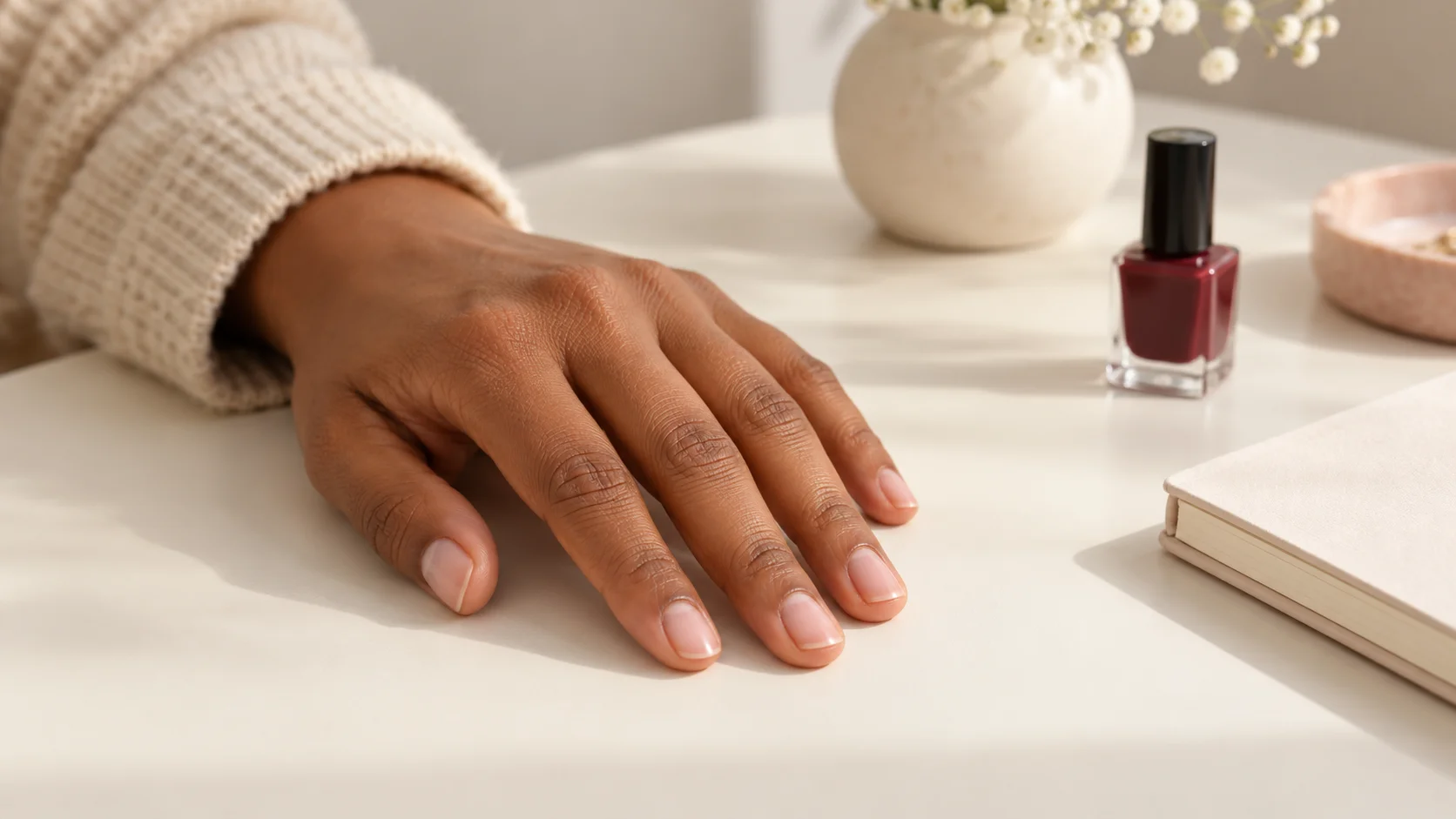
The Aberfeldy Practice’s photography guidance recommends good lighting, a plain background, clear focus and no filters. Those are useful general image principles; follow any more specific instructions from the service assessing you.
Rest the hand or foot comfortably if possible and check the image before sending it. If the camera is too close to focus, move it back rather than accepting a blurred extreme close-up. Keep the affected area visible without filling the frame so tightly that its location becomes unclear.
Do not use a beauty mode, colour correction or texture smoothing. Avoid adding a dramatic contrast filter to make a faint line easier to see. Tell the clinician that a feature is difficult to capture instead of changing the image until it seems more convincing.
Give enough context without exposing unrelated details
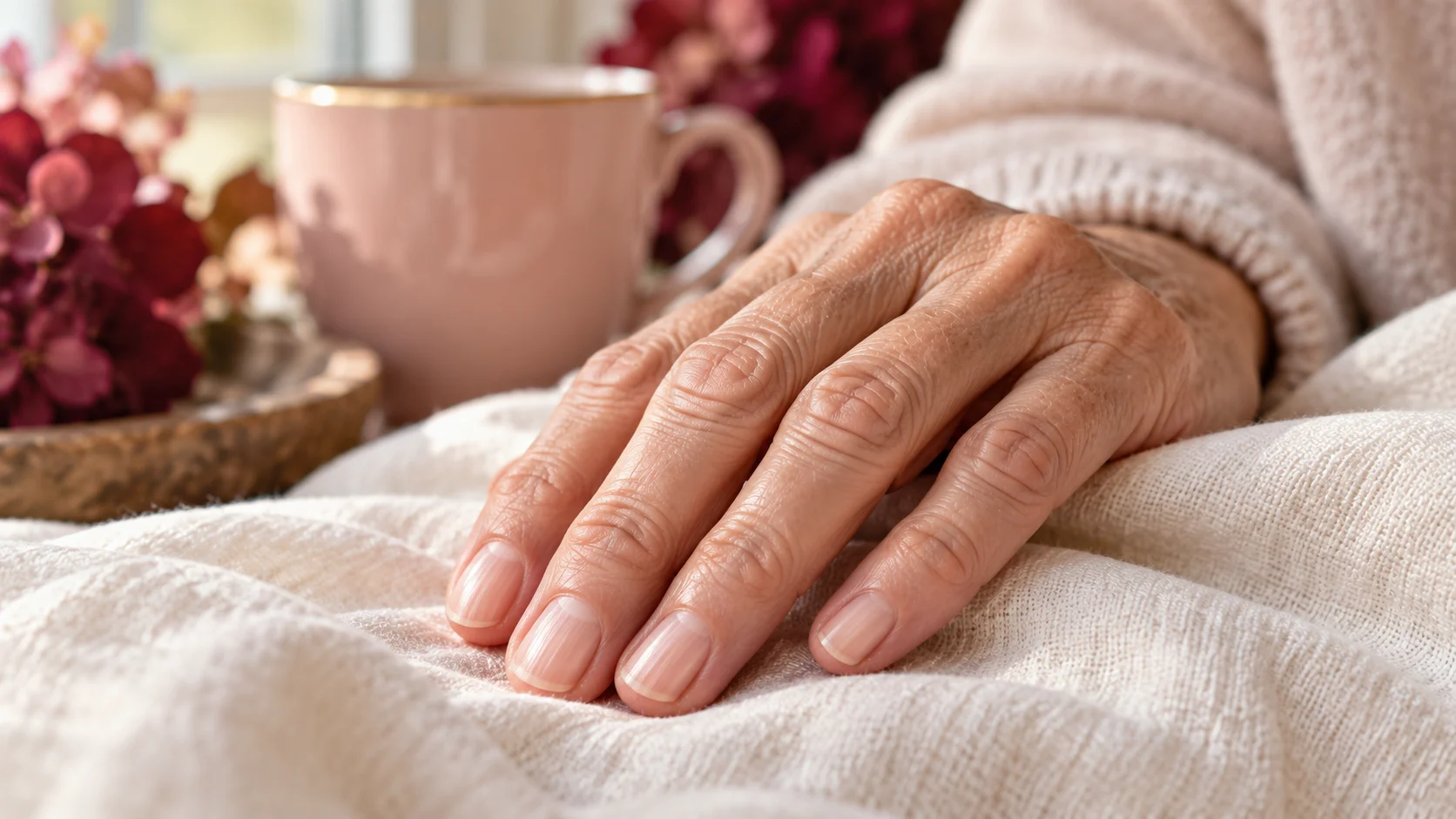
A wider view can help identify the affected nail, while a closer view may show the feature you mean. Follow the requested number and type of photographs rather than sending a large unlabelled collection. Multiple nearly identical frames can make the intended comparison harder to understand.
Check the background for unrelated personal information such as documents, screens or other people. Keep the image focused on the relevant area. If another person helps take it, explain what you need and share it only through the intended clinical route.
Do not remove a dressing or manipulate a painful nail simply to improve the picture without relevant advice. Likewise, do not peel off a coating because an online photography guide asks for a clear view. Tell the practice what is obscuring the area and ask how to proceed.
Label a short sequence clearly
If the practice asks you to track a change, use consistent lighting, distance and positioning where practical. Keep the date and the affected nail attached to your note. Do not rely on remembering which of several similar thumbnails belonged to which day.
A simple naming system might be “left-thumb-21-October” in your private record. Keep the unedited original available. If the service requires a specific filename or upload format, follow that instead of changing the file repeatedly between messaging apps.
Record what changed in words as well as pictures. “The line seems wider” or “there is now discomfort” helps explain why the newer image matters. A sequence should support a requested review, not become a reason to monitor indefinitely without seeking assessment.
Include the product and appointment history
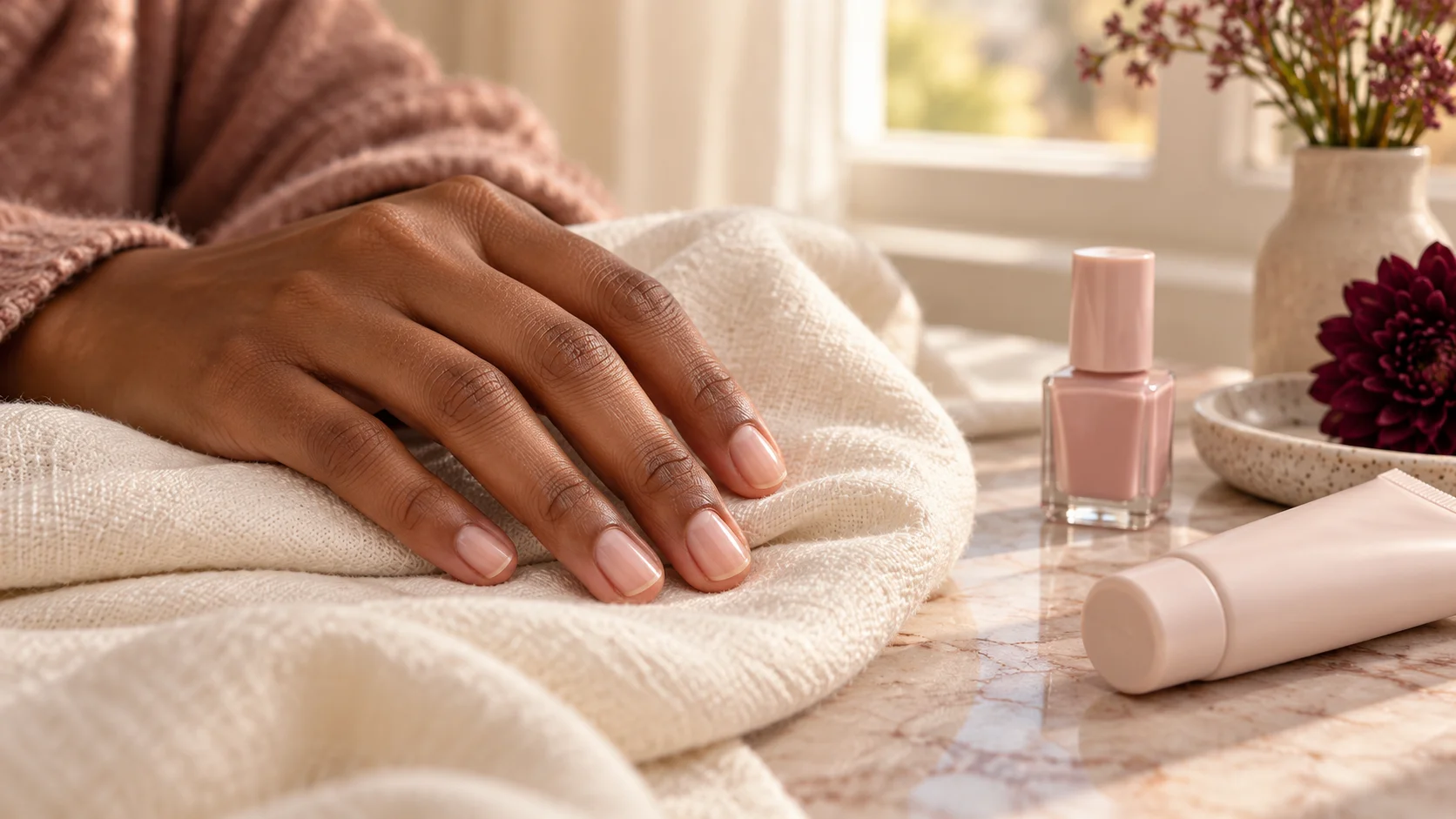
List recent polish, gel, extensions or removal if relevant, using exact product names when known. Give the date of a salon service and describe any concern that occurred around that time. Keep the distinction between a sequence of events and a proven cause.
For example, “I noticed this after removal on Monday” is more precise than declaring that a particular product caused it. If you do not know what was used, say so and ask the provider for the details. Do not delay contacting the GP while waiting for a complete salon record.
Include any care you have already tried and whether another professional has advised you. This helps avoid a fragmented account in which the picture arrives separately from the information needed to interpret it.
Before submitting a group of photographs, check that each selected file shows the intended nail and belongs to the correct date. A phone gallery may contain old manicure references beside current health images. Review the selected attachments once, remove unrelated pictures and make sure the written description matches what you are sending. Keep the original files for your own record.
Describe, capture, label, share
- Describe: record the change, timing and symptoms.
- Capture: use clear, unedited images when requested.
- Label: identify the nail and date.
- Share: use your own practice’s approved route.
Know what happens after you send the images
Follow the practice’s stated process for responses and appointments. Sending a photograph is not confirmation that it has been reviewed or that no further action is needed. Keep any submission acknowledgement and use the appropriate contact route if the expected next step is unclear.
If symptoms worsen or become urgent, seek the relevant care instead of waiting for a routine photo review. A digital submission does not replace urgent assessment. Tell the service about the earlier contact so the information can be connected.
For everyday grooming questions alongside clinical advice, explore our Nail Care section. Keep the roles clear: an editorial guide can help organise your observations, while a qualified professional assesses the concern and recommends what should happen next.
For the related parts of your care routine, read Nail Discolouration: Cosmetic Staining and Changes to Get Checked, Ridges in Nails: Common Changes and When to Ask a Professional and When a Broken Nail Needs More Than a Cosmetic Fix. For the relevant product or service decision, see Gel Nail Allergies: Symptoms to Get Checked and Products to Pause.
Common questions
Can a photograph diagnose a nail problem?
A photograph can support a clinical conversation, but it does not establish a diagnosis on its own. The symptoms, timing, affected nails and relevant history also matter. Avoid comparing your image with internet examples and deciding the cause without appropriate assessment.
Should I wait until I have several dated images?
Do not delay raising a concern because you lack a complete sequence. Give the approximate timing honestly and contact the appropriate service. If the clinician wants ongoing photographs, follow the requested plan rather than monitoring indefinitely without an assessment.
What makes a useful photograph?
Aim for clear focus, good lighting, a plain background and an unobstructed view where this is comfortable and appropriate. Keep the image unedited. Follow the assessing service’s specific instructions, and explain if a feature is difficult to capture accurately.
Should I remove polish before taking the picture?
Ask the practice how to proceed if a coating obscures the area. Do not peel off product, manipulate an injury or delay urgent care for a better image. Include the product name and explain what the clinician cannot see in the photograph.
Can I send the image to any NHS address?
Use your own practice’s approved route or the instructions it gives you. Another practice’s photography guide does not make its contact details the right destination. Confirm an uncertain link through established contact information before uploading a personal health image.
What if I cannot use an online form?
Tell the practice about the difficulty and ask for an available alternative. A lack of equipment, limited digital confidence or difficulty positioning the hand should not leave you silently stuck. The service can explain how to continue through its supported routes.
Does a submitted photo mean it has been reviewed?
Submission alone does not confirm clinical review or that no further action is needed. Follow the practice’s response process and keep any acknowledgement. If symptoms become urgent, seek appropriate care rather than waiting for a routine image-based response.
What should I write alongside the photo?
Identify the hand or foot, side and specific nail, then describe the change, timing and symptoms. Include recent products or services as background without declaring them the cause. Mention advice already received so the clinician can connect the information.
Sources and further reading
- AAD — Nail changes to examine — checked 2026-10-21
- NHS — Nail problems — checked 2026-10-21
- Aberfeldy Practice — Photographing a skin problem — checked 2026-10-21