Healthy Toenail Habits: Trimming, Footwear and When to Seek Help
Plan comfortable footwear and gentle toenail grooming, with clear reasons to seek help instead of cutting into a painful edge.
Archive edition: 2026-10-08 · This is an editorial allocation, not the first-publication date.
Key takeaways
- See: choose a comfortable position and good light.
- Trim: keep ordinary grooming straight and controlled.
- Fit: review the footwear you actually wear.
- Ask: seek help for difficulty, pain or changes.
In this guide
- Key takeaways
- Make sure you can see and reach comfortably
- Keep the trimming aim simple
- Leave painful corners out of a DIY grooming routine
- Review footwear as part of the routine
- Notice changes before covering them
- Keep tools and household storage personal
- Prepare for a foot-care appointment
- See, trim, fit, ask
- Keep appearance in proportion
- Common questions
- Sources and further reading
Healthy toenail habits are mostly practical: a clear view of the nail, suitable personal tools, comfortable footwear and the willingness to ask for help when grooming is difficult or painful. A tidy pedicure should not depend on cutting deeply into corners or disguising a change you do not understand.
This guide concerns ordinary adult grooming. If you have diabetes, reduced sensation, poor circulation or a condition affecting foot care, follow the advice of your healthcare team. A general trimming guide cannot replace an individual plan, especially when a toe is painful, injured or showing a new change.
Make sure you can see and reach comfortably
Choose a stable position with enough light to see the nail clearly. Gather the tools before you begin so you are not balancing awkwardly while reaching for a missing item. If your glasses help with close work, use them rather than relying on touch alone.
Do not struggle through trimming because it seems like a task you ought to manage independently. Difficulty reaching, seeing or holding a tool is useful information when asking about help. Explain which part is difficult: positioning the foot, controlling the clipper or judging where the edge ends.
A podiatrist or another suitable service may be able to help, depending on your circumstances and local availability. Ask about the service’s scope and suitability for your needs. A decorative pedicure appointment is not automatically equivalent to clinical foot care.
Keep the trimming aim simple
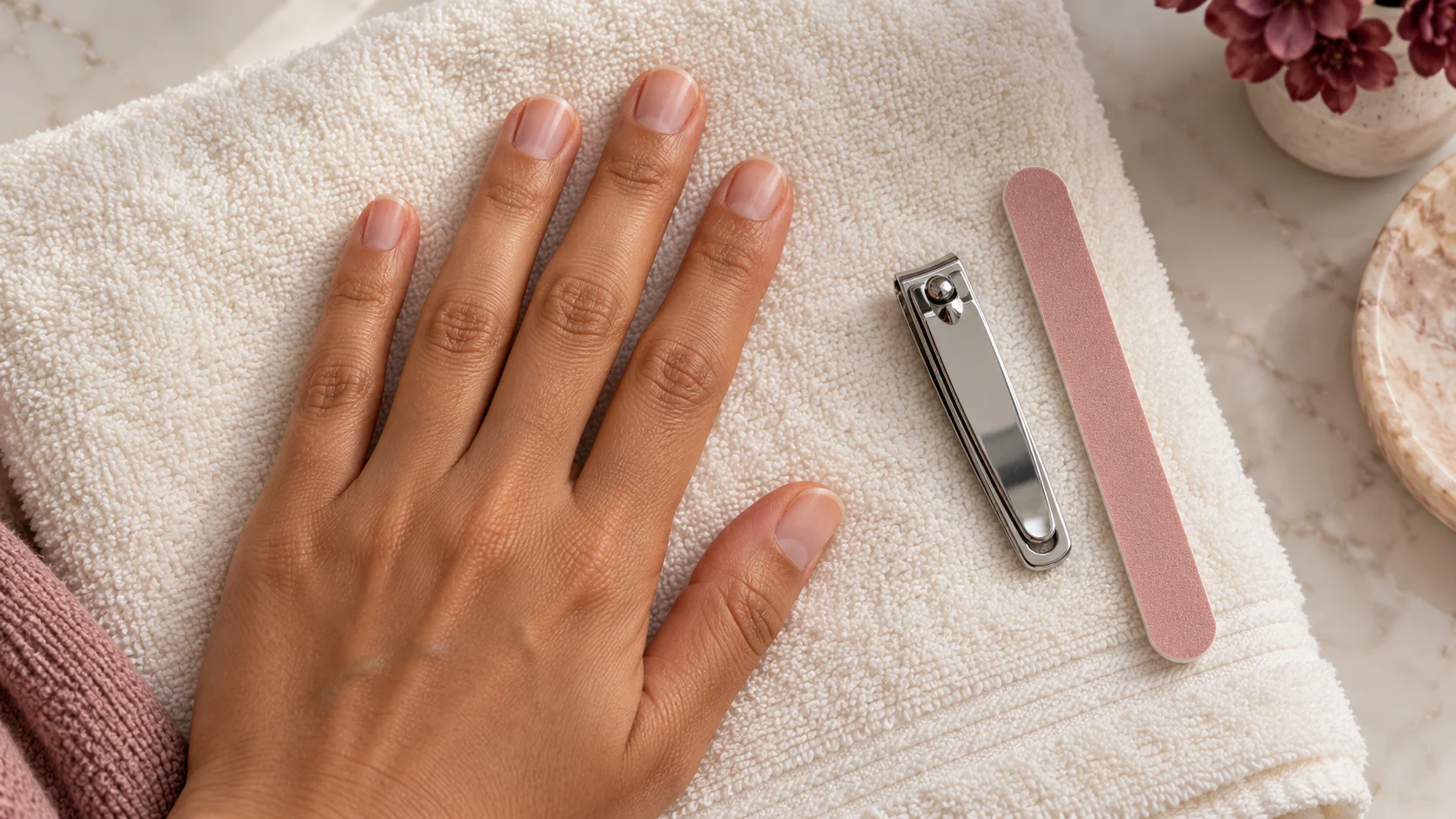
The AAD recommends trimming toenails straight across. Think of routine grooming as maintaining a manageable free edge, not creating a deeply curved outline that disappears down each side of the toe.
Use a suitable personal tool according to its instructions and keep the movement controlled. Do not force a clipper through a nail you cannot comfortably manage. If the nail is unusually thick, painful or difficult to cut, ask for appropriate advice instead of escalating to a larger improvised tool.
A neatly finished result does not require every toenail to resemble a perfectly matched set of cosmetic tips. Work with the actual nail and the practical purpose. If one edge causes repeated difficulty, describe the problem to a professional rather than repeatedly cutting further into it.
Leave painful corners out of a DIY grooming routine
The NHS advises against cutting down the sides of toenails and recommends wide, comfortable footwear for an ingrown nail. It also advises GP help in situations including a painful swollen toe with pus, or an ingrown toenail when you have diabetes.
Do not dig into a painful corner to find a hidden spike or attempt to cut a channel through the middle of the nail. A routine beauty guide cannot determine the cause of the pain or whether tissue is involved. Stop the cosmetic task and seek advice suited to the symptoms.
If you contact a service, explain which toe is affected, how long it has been uncomfortable and what you have already tried. Mention relevant medical conditions. A clear history is more useful than arriving with the area freshly trimmed in an attempt to make it look presentable.
| Check | What you need | When to change the plan |
|---|---|---|
| Position | Stable seating and a clear view | You cannot reach or see comfortably |
| Tool | A suitable maintained personal implement | It slips, struggles or needs excessive force |
| Nail | A clear ordinary grooming task | Pain, thickening or an unexplained change |
| Footwear | Room and comfort for the toes | Repeated pressure or rubbing |
Review footwear as part of the routine
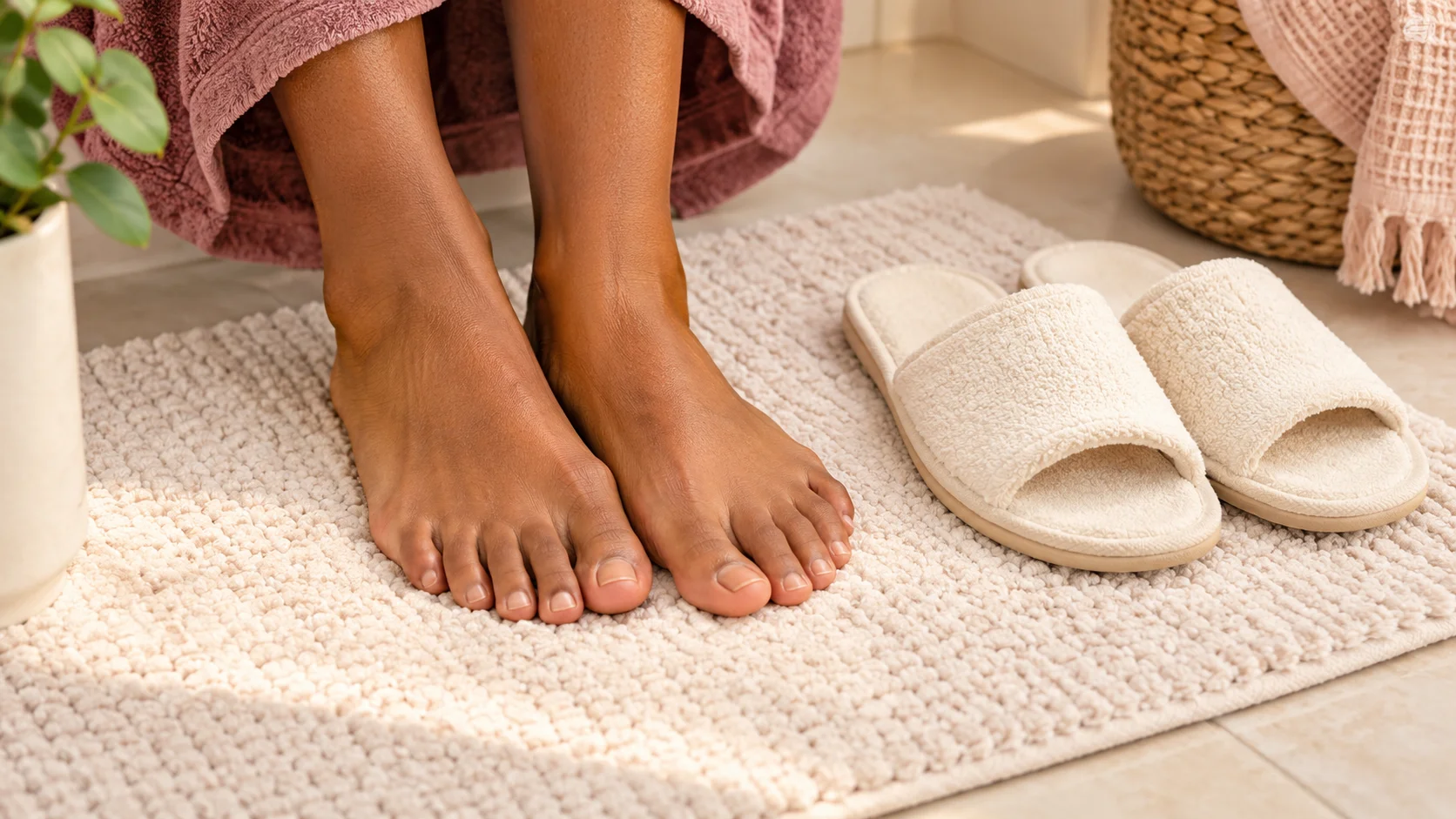
Think about the shoes you wear most often, not only the pair reserved for a special event. Notice whether your toes feel crowded or whether the same area repeatedly meets the shoe. Discuss fit with a suitable footwear professional if you are unsure what adjustment is needed.
Include socks and the intended activity in the decision. A shoe that feels acceptable for a short seated event may not be comfortable for a long day of walking. Do not assume that preserving a pedicure should take priority over the way the footwear fits your feet.
When trying a different style, consider the practical week ahead. You do not need to buy several pairs to identify that one frequently worn shoe causes discomfort. Record the specific circumstance, such as pressure during a commute, so the discussion is grounded in something observable.
Notice changes before covering them
The NHS describes changes that can occur with fungal nail infection, including thickening and discolouration, and explains when to seek advice. Similar-looking nails should not be diagnosed from colour alone. A pharmacist or clinician can help establish an appropriate next step.
Before applying colour, look at the nails in ordinary light. If you notice a change, record the affected toe and approximate timing. Do not repeatedly scrape the surface to see whether a patch comes away or use a new opaque coating to avoid thinking about it.
If you have been given treatment or monitoring instructions, ask how cosmetic products fit with that plan. Do not assume a salon service will be compatible simply because it is described as gentle or natural. Give the provider the relevant information before the appointment starts.
Keep tools and household storage personal
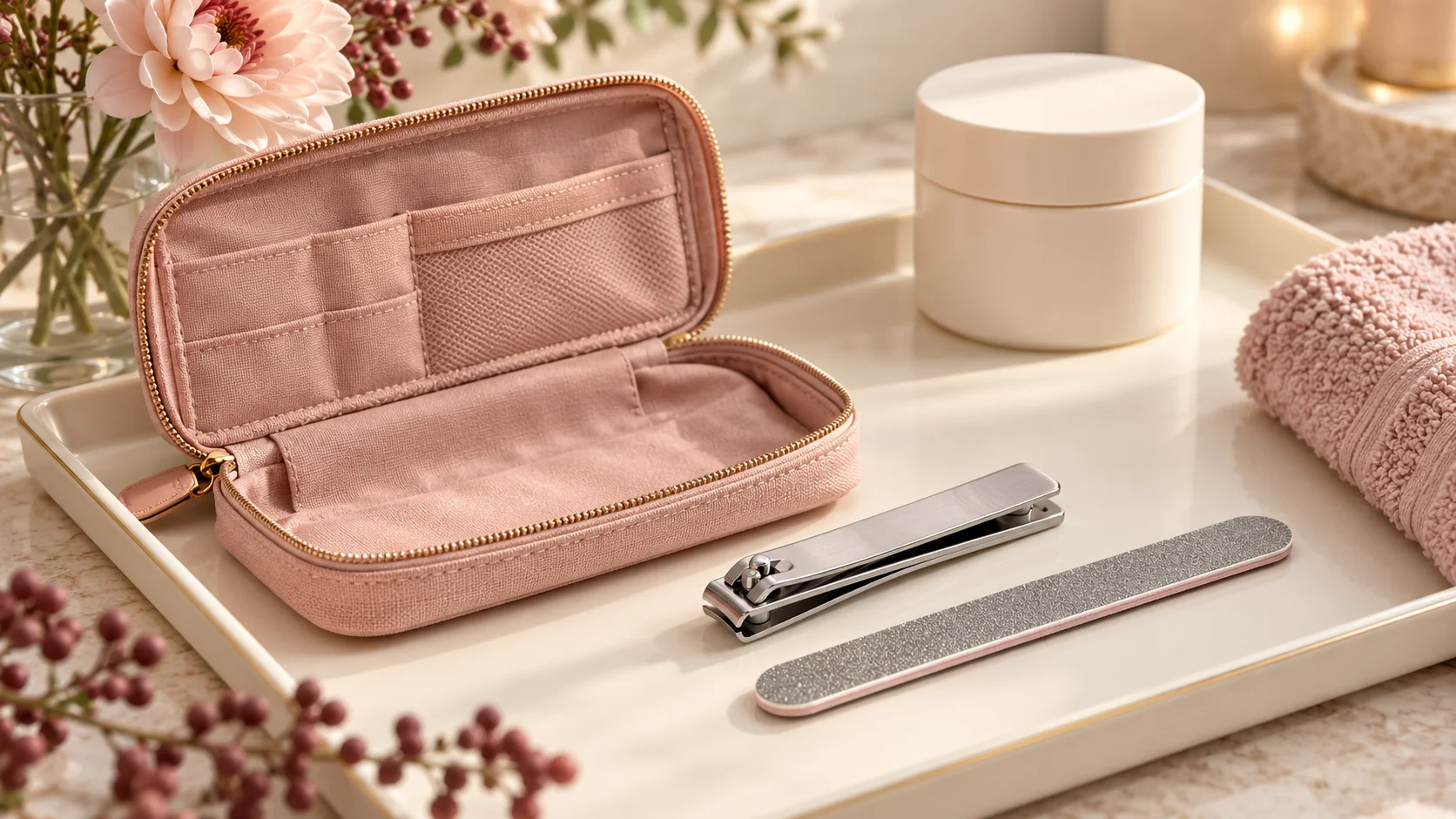
A personal clipper is easier to identify when it has a dedicated case or labelled compartment. The NHS advises against sharing nail clippers or scissors. Keep ownership clear while still following the item’s cleaning and care directions.
Do not return a used implement to a ready-to-use compartment without completing its care routine. Keep the manufacturer’s instructions available, especially for coated files or tools with components that may need different treatment. A clean-looking metal surface does not explain how the whole item should be maintained.
If you need someone to help with grooming, agree which kit is being used and what the helper can comfortably do. They should not be expected to diagnose a change or undertake a difficult painful trim simply because they can reach your feet more easily.
Prepare for a foot-care appointment
Write down the concern and what you want help with. For example: “I can no longer reach my nails comfortably,” or “This corner becomes painful in my work shoes.” Bring relevant treatment information and the names of products used if they may matter.
Ask what the appointment includes, whether the provider can address your needs and what follow-up is recommended. If you are uncertain about eligibility or local services, ask your GP practice or relevant local service rather than assuming every foot-care option has the same referral process.
See, trim, fit, ask
- See: choose a comfortable position and good light.
- Trim: keep ordinary grooming straight and controlled.
- Fit: review the footwear you actually wear.
- Ask: seek help for difficulty, pain or changes.
Keep appearance in proportion
A natural finish can be a complete grooming choice. You do not have to add colour to make foot care count, and a glossy pedicure does not prove that a nail is healthy. Focus on comfort, manageable upkeep and any clinical advice relevant to you.
Our Nail Care guides cover related personal-tool and everyday grooming decisions. Use them to organise the routine, while leaving painful or unexplained changes to the professional best placed to assess them.
For the related parts of your care routine, read How to Trim and File Natural Nails Without Overdoing It, How to Keep a Personal Manicure Kit Clean and Organised and Nail Changes to Photograph and Discuss with Your GP. For the relevant product or service decision, see Early Summer Pedicure Colours to Pair with Sandals.
Common questions
Should toenails be cut into a curved shape?
Routine advice is to trim toenails straight across rather than cutting deeply down the sides. Keep the task controlled and manageable. If a corner is painful or the nail is difficult to handle, seek suitable help instead of trying to sculpt around the problem.
What if I cannot reach my toenails comfortably?
Ask about an appropriate foot-care or nail-cutting service rather than balancing awkwardly or grooming without a clear view. Explain whether the difficulty is reach, vision or tool control. The available service and its suitability depend on your circumstances and local provision.
Can I cut out a painful nail corner myself?
Do not turn ordinary grooming into an attempt to dig out tissue or a hidden corner. Stop and seek advice suited to the symptoms, particularly if there is swelling or discharge. Describe what you have already tried and any relevant medical condition.
Does discolouration always mean a fungal infection?
Colour alone does not establish the cause of a nail change. Record the timing, affected toes and other observations, then ask a pharmacist or clinician for suitable advice. Avoid scraping repeatedly or covering the nail simply to hide an unexplained appearance.
Can people with diabetes follow any pedicure guide?
Individual foot-care advice takes priority over a general cosmetic guide. Tell your healthcare team about pain, changes or difficulties with grooming, and follow its instructions. An ingrown nail with diabetes warrants GP advice rather than relying on routine trimming tips.
Should the whole family share toenail clippers?
Keep nail clippers and scissors personal and clearly identifiable. A labelled case can help when implements look similar. Ownership does not replace cleaning and maintenance, so retain the manufacturer’s care instructions and keep used items distinct from those ready to use.
What should I consider when choosing footwear?
Think about comfort around the toes, the socks you wear and the actual activity. Notice recurring pressure or rubbing and seek suitable fit advice if needed. A shoe that works briefly for one event may not suit a full day of walking.
Do healthy-looking toenails need polish?
Polish is an optional aesthetic choice, not evidence that foot care has been completed or that a nail is healthy. A natural finish can be intentional. Follow any treatment instructions and resolve unexplained changes before choosing a coating to disguise them.
Sources and further reading
- AAD — Trimming nails — checked 2026-10-21
- NHS — Ingrown toenail — checked 2026-10-21
- NHS — Fungal nail infection — checked 2026-10-21