Matte vs Glossy Top Coat: How Finish Changes the Same Colour
Compare reflected shine and a softer matte surface while checking the finishing product that suits your polish system.
Archive edition: 2026-10-04 · This is an editorial allocation, not the first-publication date.
Key takeaways
- Identify your colour system.
- Compare matte and gloss under similar light.
- Read the named top coat's application directions.
- Check the effect on any shimmer or decoration.
- Follow the complete routine and removal guidance.
In this guide
- Key takeaways
- Separate surface finish from the colour formula
- Matte is an intended effect, not unfinished polish
- Gloss can also involve a system-specific product
- Read the complete application directions
- Consider the design as a whole
- Expect the appearance to be observed over time
- Choose the finish you want to see every day
- Common questions
- Sources and further reading
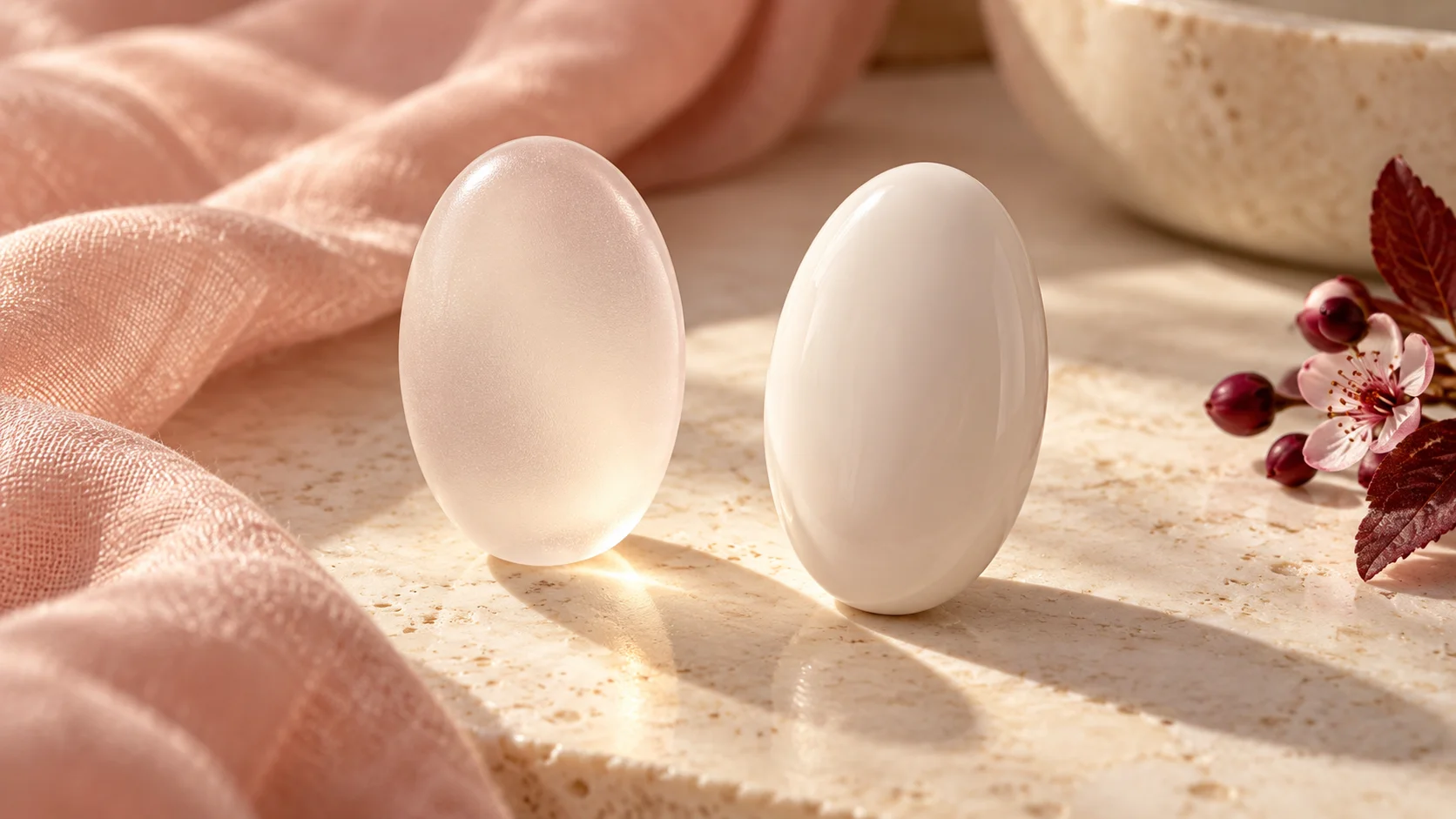
Matte and glossy top coats change how a manicure’s surface reflects light. Gloss creates clearer reflections and highlights; matte gives a softer, less reflective appearance. The underlying colour can therefore feel different even when you use the same colour polish, but the finishing layer is not a guarantee of an exact new shade.
Choose the effect you enjoy, then check which top coat is supported for your polish system. This guide compares appearance and practical planning rather than reporting a hands-on wear test. It does not establish that matte or gloss is more flattering, more durable or safer for everyone.
Separate surface finish from the colour formula
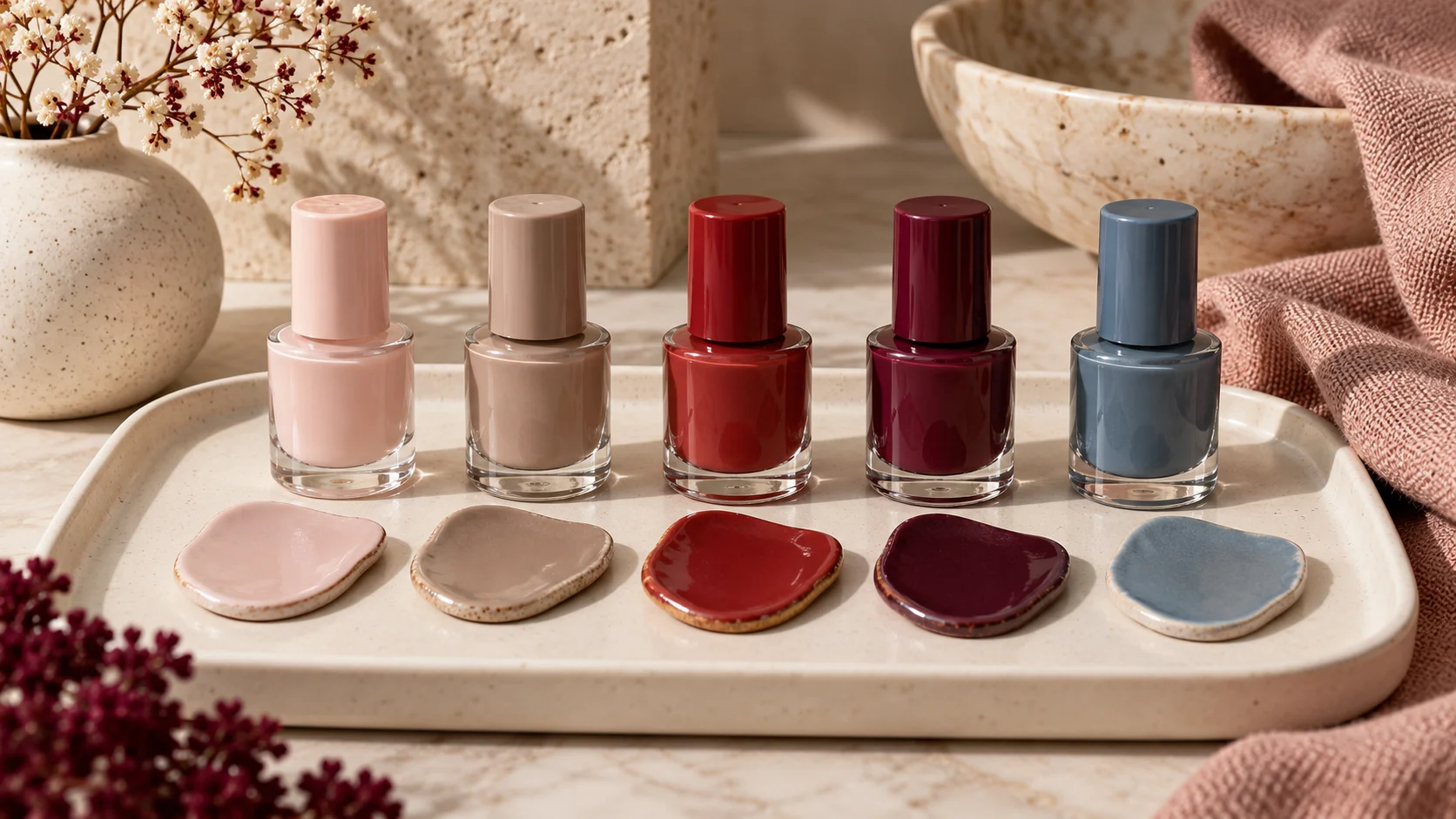
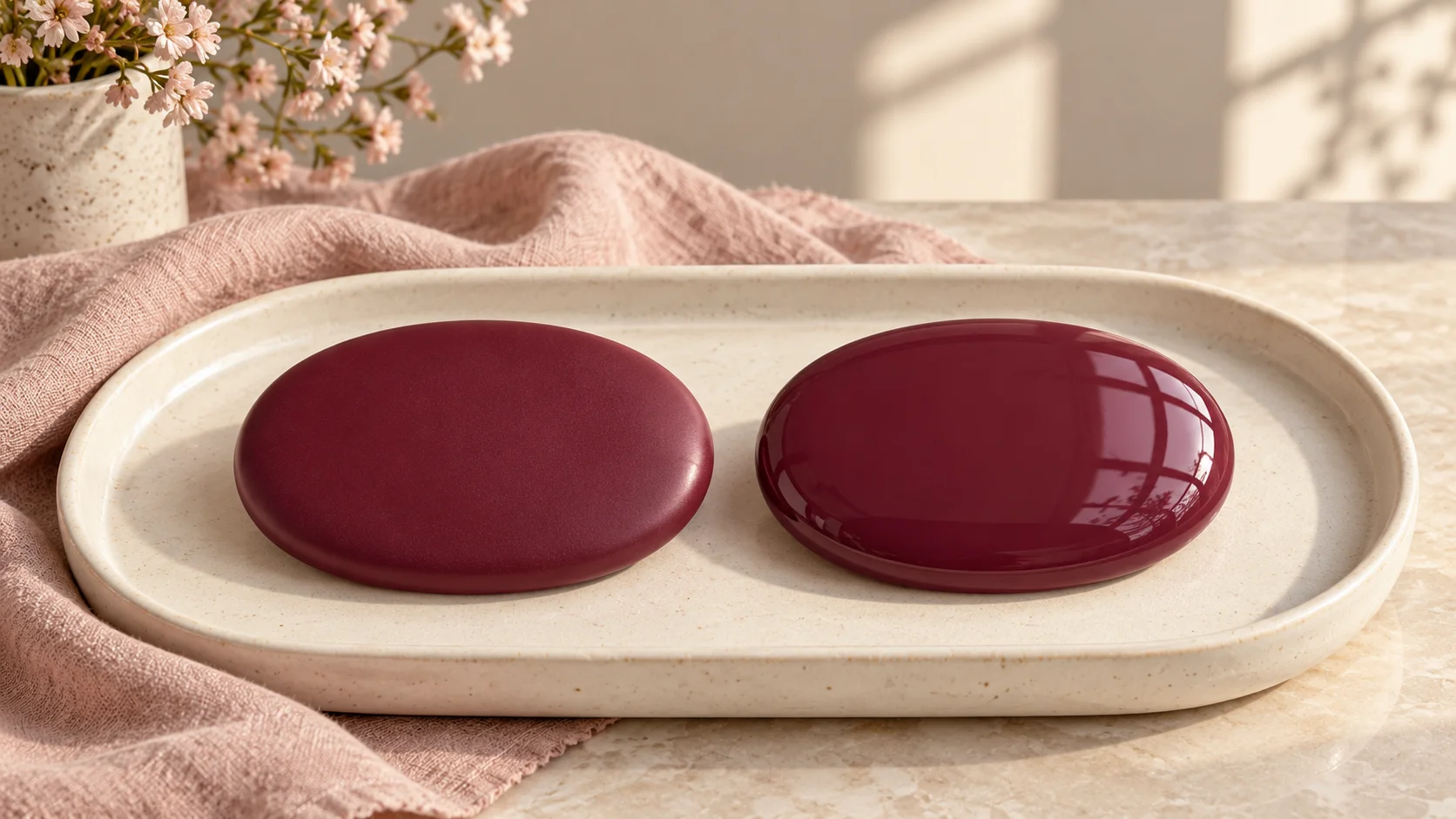
The colour layer and the final surface play different roles in the appearance of a manicure. A deep berry can look rich and reflective under gloss or softer under matte. That is a visual impression, not evidence that the pigment has changed into a different formula.
Lighting affects the comparison. A bright window reflection can make gloss especially obvious, while diffuse light can make two finishes look closer in a photograph. Compare samples under similar conditions before deciding that a top coat has dramatically lightened or darkened a colour.
Do not use a screen image as a calibrated colour reference. The photo may involve different layers, editing or a different underlying shade. If the finish matters for a particular outfit or occasion, a clearly labelled sample of your own intended combination is more informative.
Matte is an intended effect, not unfinished polish
OPI describes its Matte Top Coat as a way to create a matte finish over lacquer. It gives examples involving both darker and lighter colours. This shows that the effect is not limited to one colour family, while leaving compatibility tied to the actual product instructions.
A matte result should not automatically be described as dry, damaged or lacking care. It is a chosen surface appearance. Equally, a glossy result does not prove that the nail underneath is healthier or that a lamp-cured system has been used.
Check whether the colour product already has a special finish. Adding a top coat can change the effect you originally chose, and some ranges have specific advice about whether a finishing layer is needed. Do not assume every bottle benefits from the same final step.
Gloss can also involve a system-specific product
Essie’s Stay Longer top coat is an example of a finishing product positioned around shine and wear. Its manufacturer description is not independent evidence that it outlasts every matte option or that it is compatible with all colour systems.
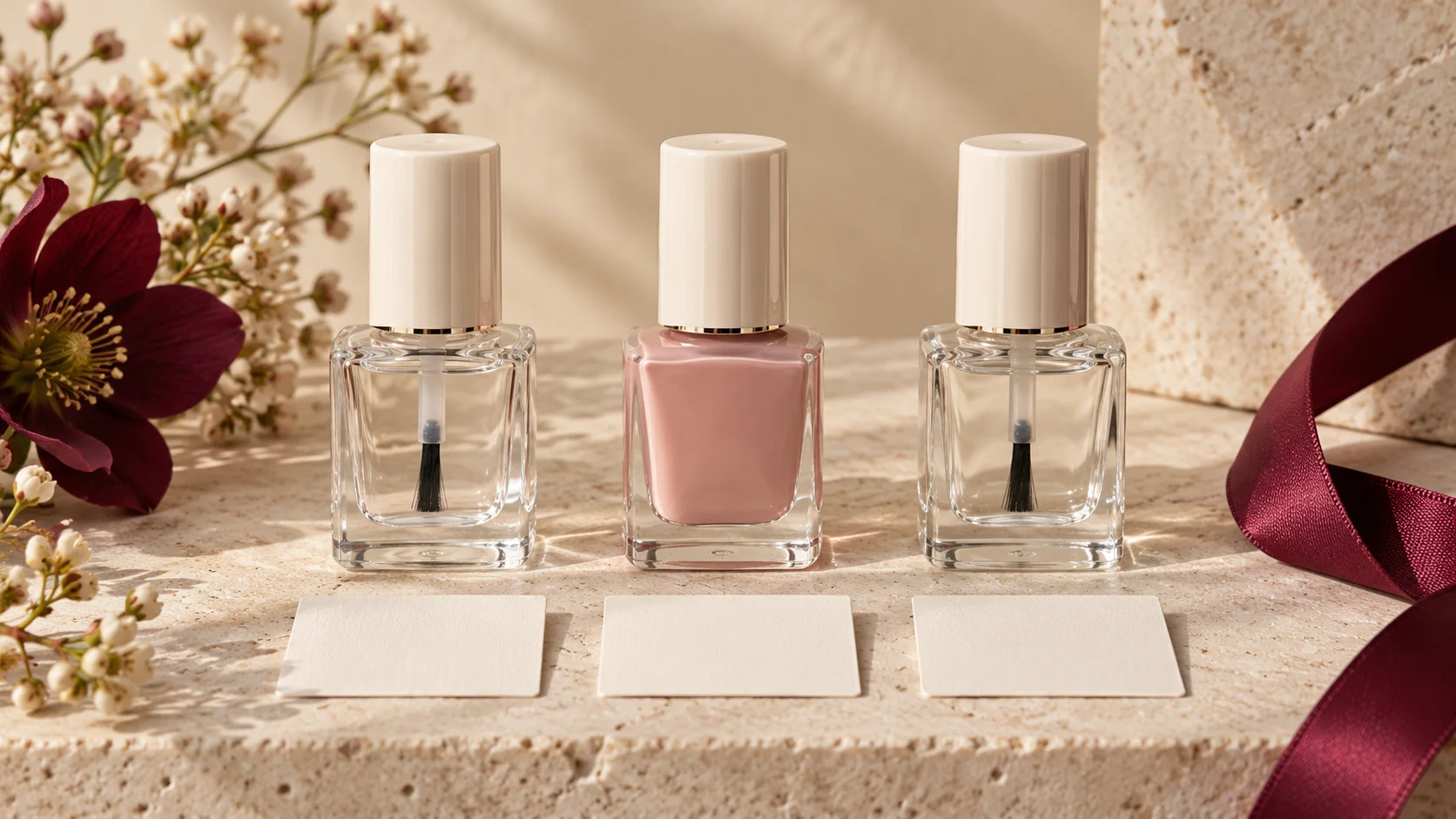
A glossy clear liquid can be an ordinary lacquer top coat, part of a gel-like range or a lamp-cured product. Identify the system before use. The shine visible in the bottle or an online manicure photograph cannot tell you which application and removal routine applies.
If you already own a top coat, check its compatibility before buying a new colour. A familiar clear bottle may be convenient, but convenience does not establish that it reproduces the colour range’s stated results. Read the named components rather than matching products solely by brand.
| Consideration | Matte | Glossy |
|---|---|---|
| Visible reflection | Softer, more diffuse appearance | Clearer highlights and reflections |
| Colour impression | May feel muted or velvety | May feel brighter or more reflective |
| System choice | Use a compatible matte finishing product | Use a compatible glossy finishing product |
| Photograph comparison | Lighting can hide or emphasise softness | Lighting can strongly emphasise shine |
| Wear expectations | No universal duration established here | No universal duration established here |
| Best choice | Your preferred effect and manageable routine | Your preferred effect and manageable routine |
Read the complete application directions
Essie’s FAQ discusses Matte About You and explains that it is intended to provide the final matte effect without another top coat over it. That illustrates why adding a glossy finishing layer out of habit can work against the look you selected.
Use the current instructions for the exact product, including the stage at which it should be applied. Do not copy a generic timing from another top coat or assume that an extra thick layer will give a more reliable effect. The stated routine is more useful than treating the finishing step as an improvisation.
For a comparison on practice tips, keep the colour range and base routine the same and label the finishing products. This gives you a clearer visual comparison than using different colours and then attributing every difference to matte or gloss. It still does not become a controlled durability test.
Consider the design as a whole
A plain colour can be an easy way to explore the effect because there is less visual detail competing with the surface. If you are using shimmer, glitter or a decoration, check whether the finishing product changes the appearance you wanted. A softer surface may alter how a reflective accent reads.
Mixed finishes can be part of a design, but they introduce another compatibility and application question. Before attempting a glossy motif over matte or the reverse, confirm that the products and sequence are supported. A photograph of somebody else’s result does not establish how to reproduce it with different formulas.
Keep the first experiment simple. One clearly labelled practice nail in each finish may be enough to decide which you prefer. You do not need to change an entire manicure repeatedly just to compare the look.
Expect the appearance to be observed over time
Essie’s FAQ notes that matte finishes can become less matte as oils transfer during wear. That is a manufacturer explanation for a possible appearance change, not a diagnosis of every shiny patch. Follow the product’s current care advice rather than repeatedly applying an unrelated cleaner to chase a perfectly uniform finish.
Wear claims should stay attached to their product and conditions. A glossy top coat’s maximum-wear statement does not establish a result for every colour beneath it, and a matte finish should not be assigned a shorter lifespan simply because it looks different. This guide has not measured either outcome.
If the manicure begins lifting, snagging or causing discomfort, use the appropriate care or removal route. Do not keep adding layers solely to preserve the intended shine level. The surface effect is a cosmetic preference, not a reason to ignore a problem.
Choose the finish you want to see every day
Think about the colours and details you enjoy in normal lighting, not only a dramatic close-up. Matte may appeal when you want a softer effect; gloss may appeal when you enjoy reflected highlights. Neither preference needs to be justified by a rule about season, age or personal style.
Check the whole routine before buying another bottle. If your existing system already offers a supported finishing choice you like, you may not need several new products. A small number of compatible options can provide useful variation without making storage and removal unnecessarily complicated.
Choose the effect, then the compatible product
- Identify your colour system.
- Compare matte and gloss under similar light.
- Read the named top coat’s application directions.
- Check the effect on any shimmer or decoration.
- Follow the complete routine and removal guidance.
Browse the Polish & Tools section for more colour and formula comparisons. A finishing layer can change the mood of a manicure without needing to become a universal claim about which surface is better.
To compare the connected product and routine choices, read Base Coat vs Top Coat: Why the Jobs Are Different, Sheer White vs Opaque White Polish: Finding the Finish You Want and Building a Small Nail Polish Collection with Versatile Colours. For the related care or design question, see Black Nail Art with Fine Lines, Gloss and Negative Space.
Common questions
Does matte top coat change the actual colour pigment?
It changes the surface appearance and how light is reflected, which can alter your impression of the colour. That is not proof that the pigment has become a different formula. Compare labelled samples under similar lighting rather than treating a screen photograph as an exact colour measurement.
Is glossy polish always a lamp-cured gel?
No. Ordinary lacquer and no-lamp gel-like systems can also produce glossy finishes. Identify the full product range and directions before use. Shine, bottle shape and a manicure photograph do not establish whether a lamp is needed or which removal process applies.
Can I put a glossy top coat over a matte finish?
A glossy layer may work against the matte effect you selected, and compatibility still needs checking. Follow the actual finishing product’s directions rather than adding another layer by habit. Essie’s Matte About You guidance describes it as the final effect without an additional top coat.
Does matte polish always wear off sooner?
This guide does not establish a universal durability difference. Wear claims belong to particular products and conditions, and appearance alone cannot measure longevity. Compare the complete supported routines and your own observations without turning a preference for one finish into a general performance ranking.
Why might matte polish look shinier during wear?
Essie notes that oils transferred during wear can make a matte finish appear less matte. That is one manufacturer explanation, not a diagnosis of every patch. Follow the current product-care advice rather than repeatedly applying an unrelated cleaner to force the original appearance back.
Can I use any matte top coat with my colour?
Check compatibility with the exact colour system. A matte product for ordinary lacquer is not automatically interchangeable with a lamp-cured or specialised finishing layer. Read the named components and application sequence before assuming that a clear-looking product can be substituted without changing the routine.
How can I compare finishes without redoing a whole manicure?
Use clearly labelled practice tips with the same colour and base routine, then apply the supported finishing choices. View them in similar light. This offers a useful appearance comparison, but it should not be described as a controlled wear test or a guarantee of your final result.
Which finish is best with shimmer or decoration?
Choose the effect you prefer and check the decoration’s finishing instructions. A matte surface may change how reflective details appear, while gloss emphasises highlights. Try a simple compatible sample rather than assuming one finish is universally correct for every shimmer, glitter or printed motif.
Sources and further reading
- OPI — Matte Top Coat — checked 2026-10-23
- Essie — Storage FAQ — checked 2026-10-23
- Essie — Stay Longer Top Coat — checked 2026-10-22